
Orban Faces Tough Reelection Despite Built-In Structural Edge
Orban Hungary 2026 election
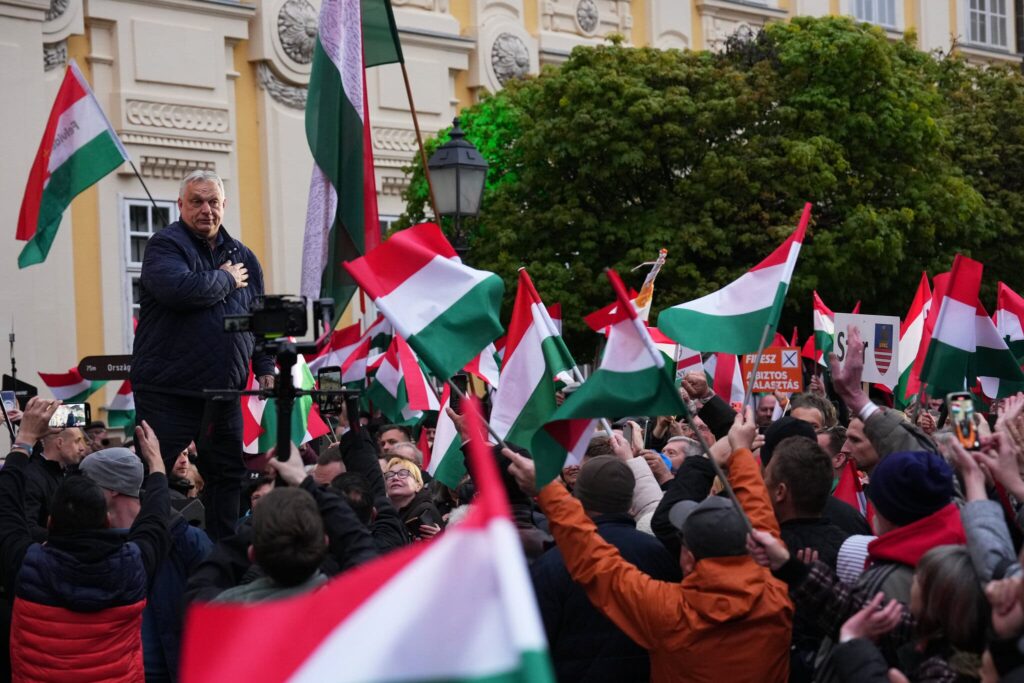
Hungarian voters are heading to the polls today in a general election that represents the most significant challenge to Prime Minister Viktor Orban in sixteen years. Public opinion surveys conducted leading up to the April 12 vote suggest that the governing Fidesz party is trailing the opposition Tisza Party by a notable margin. Peter Magyar has led a revitalized movement that has successfully tapped into public frustration over a stagnant economy and high budget deficits.
For the first time since 2010, independent research institutes indicate that a change in leadership is a realistic possibility for the nation. Despite these polling numbers, political analysts warn that the established electoral system provides the incumbent with a substantial advantage that could override the popular vote. You can find a deeper look at the current political landscape in this analysis of the 2026 Hungarian election.
The “edge” held by the Prime Minister is rooted in a series of strategic legal and structural reforms implemented over the last decade. A major factor is the recent 2024 redistricting which reduced the number of seats in the opposition-leaning capital of Budapest. These changes are widely viewed as a form of gerrymandering designed to favor the ruling party in competitive districts. Additionally, the system includes a unique “winner compensation” mechanism that adds surplus votes to the national list of the strongest party.
This means that a Fidesz victory in individual districts can disproportionately increase their overall seat count in the National Assembly. Beyond the mechanics of voting, the government maintains a dominant influence over the media landscape through the KESMA conglomerate. This allows the ruling party to control the narrative and suppress dissenting voices during critical campaign periods. For more information on these institutional advantages, visit this report on Hungary’s electoral reforms.
Economic conditions have also played a central role in shaping the current election cycle. Hungary has struggled with a persistent budget deficit and a lack of access to billions in frozen European Union funds. These financial pressures have eroded some of the support typically enjoyed by the Prime Minister’s elite circles. Peter Magyar has campaigned on a platform of transparency and a return to European democratic standards to unlock this vital funding.
However, Orban has countered by framing himself as the only leader capable of keeping Hungary out of regional conflicts. He has utilized state resources to highlight his role as a protector of national interests against foreign interference. While the opposition appears stronger than ever, the built-in advantages of the Fidesz party remain a formidable barrier to any transfer of power. Detailed scenarios regarding the potential outcomes of today’s vote can be found in this expert briefing on the Hungarian election.