
Experts urge government to adopt seismic building codes and regulate underground drilling as tremor threats grow
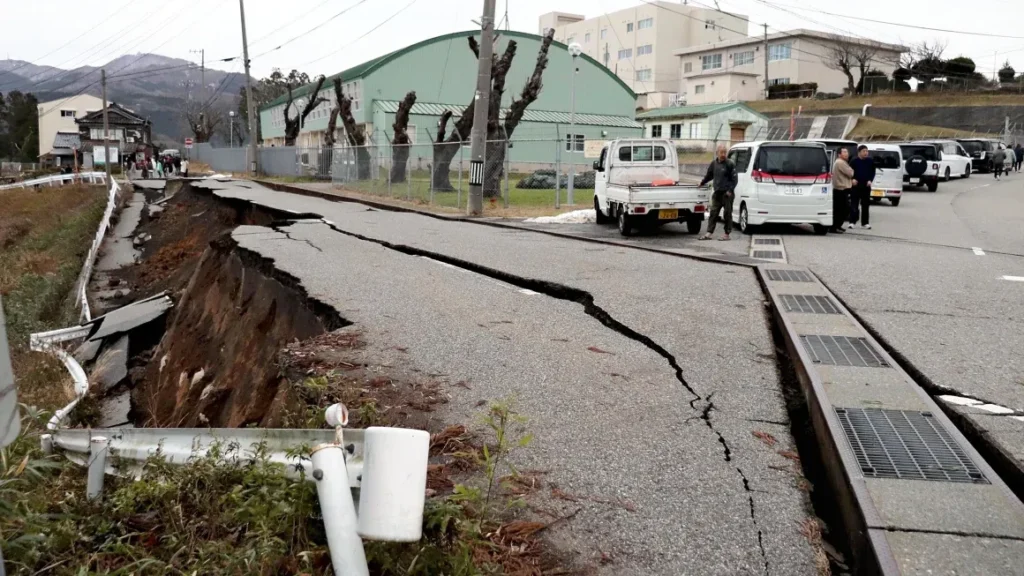
Recent scientific findings reveal that Nigeria is no longer immune to earthquakes. Leading geoscientists and government agencies warn that the country is increasingly at risk of seismic activity due to both natural and human-induced factors.
Earthquake Threats No Longer a Distant Possibility
According to the National Space Research and Development Agency (NASRDA), Nigeria is now prone to seismic hazards, especially in areas like Abuja, Kaduna, Oyo, and Bayelsa. Past tremors and fault lines in these regions suggest a growing risk that demands urgent attention.
In Abuja, a known fault line in Mpape has shown increased seismic sensitivity. Experts stress the importance of immediate safety evaluations in such locations.
Human Activities Intensify Seismic Risk
The widespread drilling of boreholes and uncontrolled mining operations are altering the earth’s structure beneath Nigerian cities. Abuja alone reportedly extracts over 330,000 metric tonnes of groundwater daily through more than 110,000 boreholes.
These activities create underground voids, increasing pressure and heightening the likelihood of future tremors or earthquakes.
Forecasts Point to Possible Major Quakes
Using the Gutenberg‑Richter model, Nigerian researchers estimate a 36.8% chance of a magnitude 7.1 earthquake by 2028. The study also predicts the possibility of a magnitude 6.5 tremor occurring between 2021 and 2022, which could recur in the coming years.
These forecasts indicate that Nigeria must prepare for moderate to major seismic events.
Lawmakers Call for Regulation and Monitoring
The House of Representatives has called on national geological and safety agencies to implement stricter controls on underground activities. Legislators are pushing for the adoption of seismic building codes and enhanced tremor monitoring systems to mitigate disaster risks.
There is also a growing call for public education campaigns to improve awareness and preparedness in vulnerable regions.
Weak Infrastructure Poses Greater Risk
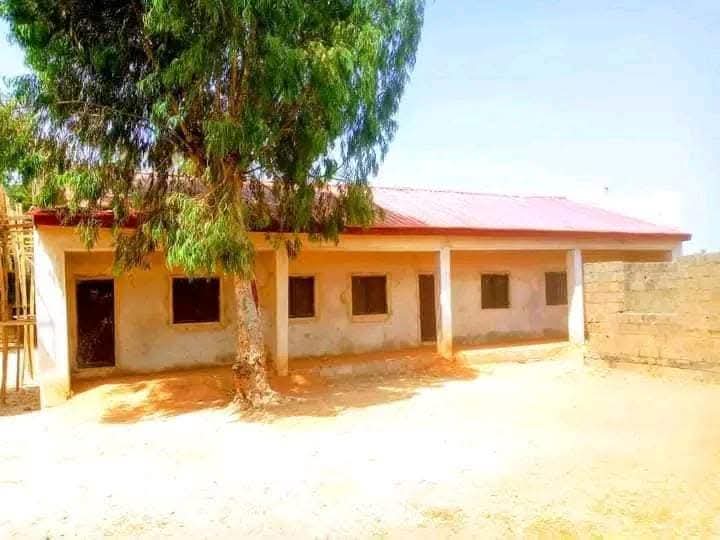
Many Nigerian buildings already suffer from structural instability due to poor construction practices. Experts fear that even a mild earthquake could cause widespread building collapses if current building standards remain unchanged.
They urge immediate upgrades to construction regulations and proper enforcement across all states.
Need for Seismic Monitoring and Early Warning Systems
Nigeria currently has fewer than 20 operational seismic stations, limiting the country’s ability to detect and respond to tremors in real-time. Scientists recommend the integration of citizen seismology tools, expanded seismic sensors, and satellite-based monitoring for better national coverage.
Conclusion
With the combination of natural fault lines and high-impact human activities, Nigeria’s earthquake vulnerability is becoming a serious national concern. Experts advise that urgent steps be taken to enhance building resilience, monitor seismic threats, and prepare the public for potential earthquakes in the near future.