
Abuja, Nigeria — July 23, 2025
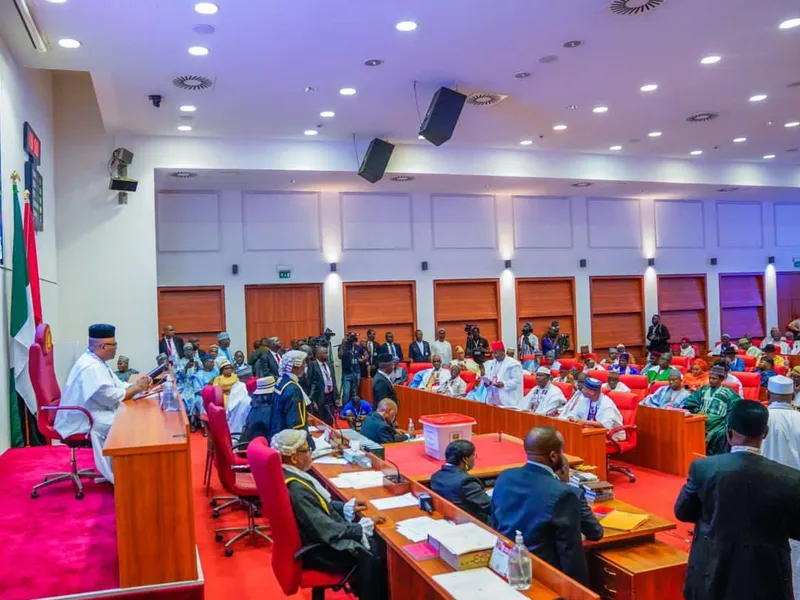
The Nigerian Senate has officially approved President Bola Ahmed Tinubu’s controversial external borrowing plan, which seeks to raise $21.5 billion in foreign loans to fund major infrastructure projects, clear pension arrears, and address the country’s growing budget deficit. The move comes as Nigeria continues to face mounting economic challenges, including inflation, a weak naira, and a struggling public sector.
The borrowing plan, initially outlined in Tinubu’s 2025–2026 Medium-Term External Borrowing Strategy, includes a mix of multilateral and bilateral loans as well as grants. The Senate also approved an additional ₦757 billion sovereign bond, specifically earmarked to pay off accumulated pension liabilities under the Contributory Pension Scheme (CPS) as of December 2023.
A Closer Look at the Breakdown
According to official documents submitted to the National Assembly, the borrowing plan consists of:
- $21.5 billion in external loans,
- €4 billion (from European lenders),
- ¥15 billion (Chinese currency),
- $2 billion in domestic loans, and
- $65 million in international grants.
The loans are expected to come from international institutions such as the World Bank, African Development Bank, and bilateral partners like China and Germany.
Strategic Spending: Where the Funds Will Go
A significant portion of the funds will go toward revitalizing Nigeria’s infrastructure. Notably, €3 billion has been earmarked for the modernization of the Eastern Rail Corridor, a 2,044-kilometer railway route seen as a critical component in boosting economic activities across the South-East and Middle Belt regions.
Other key sectors set to benefit include:
- Healthcare and education,
- National security and defense,
- Affordable housing projects,
- Water and sanitation infrastructure.
The ₦757 billion pension bond will serve to address a long-standing backlog of federal pensions owed to retirees, a move that many lawmakers say will restore trust in the government’s commitment to worker welfare.
The Senate Speaks: Support and Skepticism
During the deliberation, Senator Solomon Adeola, Chairman of the Senate Committee on Appropriations, stated that the Senate’s approval was largely procedural, since the loans were already captured in the 2025 national budget previously passed by the legislature.
Senator Sani Musa, Chairman of the Senate Committee on Finance, defended the borrowing, saying it aligns with international fiscal models and will be disbursed over several years to reduce financial shock.
However, not all senators were fully on board. Senator Sani Musa of the opposition Peoples Democratic Party (PDP) raised concerns over transparency and Nigeria’s rising debt profile. He demanded clearer guidelines on how the funds will be spent and repaid. Senator Victor Umeh of the Labour Party, though, supported the loan package, praising the planned funding of the Eastern railway as a strategic investment for national unity and growth.
Rising Debt, Pressing Questions
Critics of the plan argue that Nigeria’s increasing reliance on foreign borrowing could pose a long-term threat to fiscal sustainability. According to the Debt Management Office (DMO), Nigeria’s total public debt stood at over ₦97 trillion as of March 2025, a figure expected to rise significantly following the implementation of this borrowing plan.
Nonetheless, Tinubu’s administration insists that borrowing remains necessary to stimulate growth, restore investor confidence, and fulfill long-delayed obligations to citizens, especially pensioners and public service workers.
What’s Next?
Following Senate approval, the proposal will now be forwarded to the House of Representatives for concurrence. If the lower chamber agrees, the Tinubu administration could begin drawing down on the loans as early as Q4 2025.
As Nigeria navigates its economic crossroads, many will be watching closely to see whether this massive borrowing move delivers real, measurable change—or adds further pressure to an already strained economy.