
Musk Offers Amends for Tesla FSD Deficit
Musk offers Tesla FSD amends
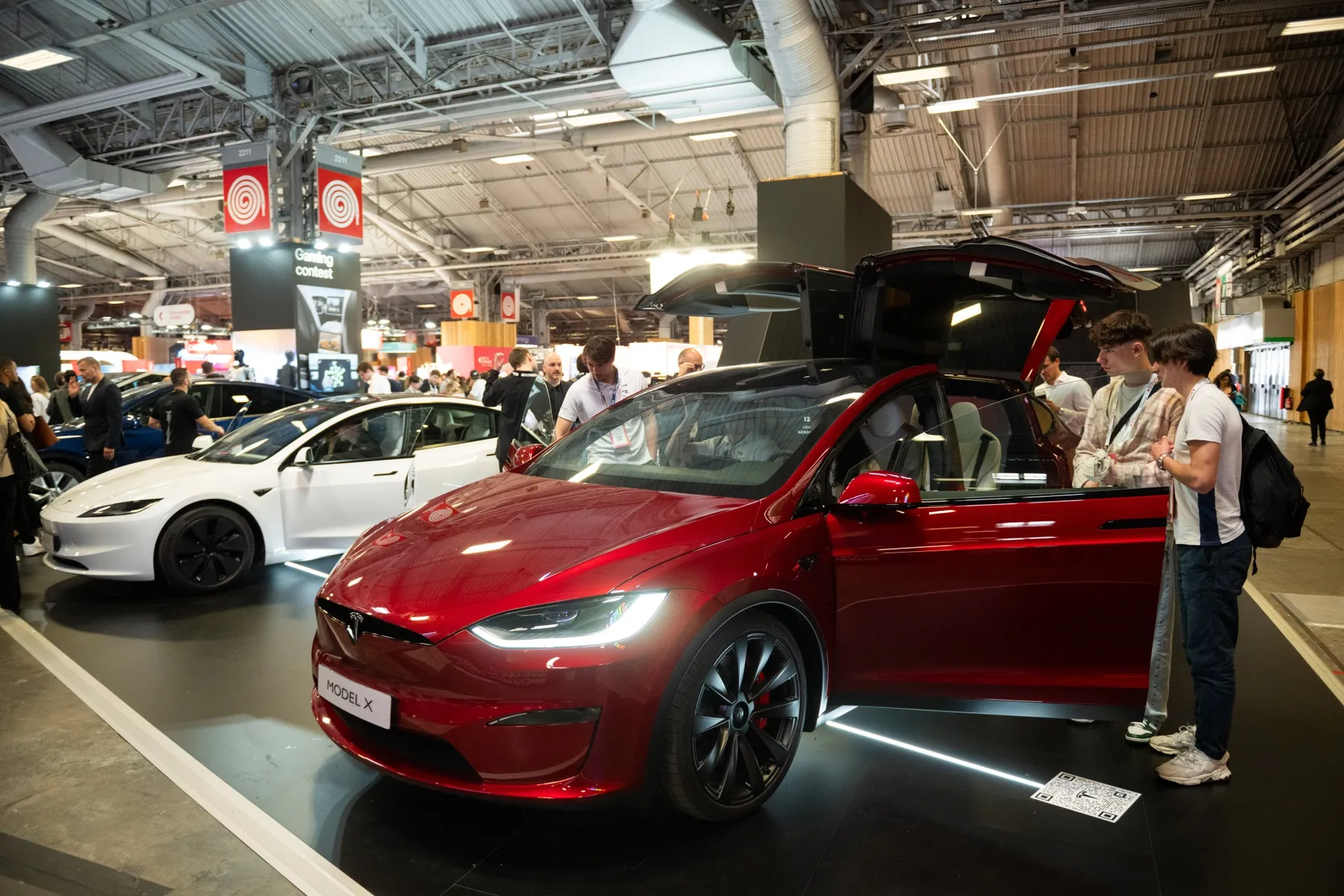
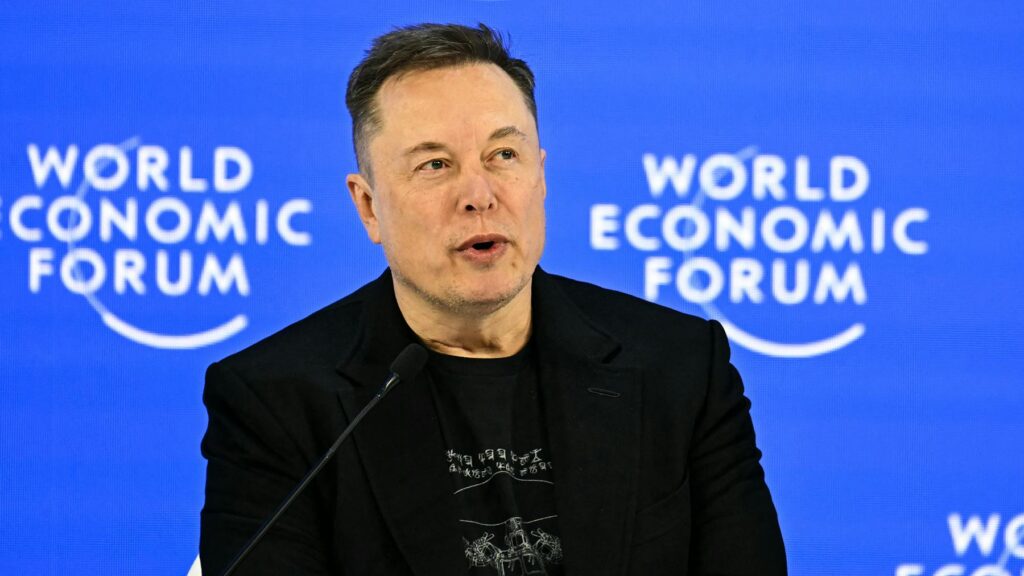
Elon Musk has officially offered amends to millions of Tesla owners by admitting that current vehicle hardware is insufficient for fully autonomous driving despite years of contrary promises. During the company’s Q1 2026 earnings call on Wednesday, the CEO conceded that vehicles equipped with the third-generation driver-assistance system, known as Hardware 3, will require significant computer and camera upgrades to reach unsupervised autonomy.
This reversal affects millions of vehicles sold between 2019 and 2023 that were marketed as having all necessary hardware for future self-driving capabilities. Musk proposed a massive logistical undertaking to rectify the deficit, suggesting that Tesla will build specialized micro-factories in major metropolitan areas to handle the high volume of necessary retrofits. The move is seen as an attempt to appease a growing wave of dissatisfied customers and avoid further legal escalation. Detailed reporting on the technical requirements for these upgrades can be found through the Electrek automotive news portal.
The proposed micro-factories represent a strategic shift for the automaker, which originally intended for such upgrades to be handled by existing service centers. Musk explained that the scale of replacing both the central computer and the external camera arrays in millions of cars would overwhelm current maintenance infrastructure.
By establishing dedicated urban production lines specifically for retrofitting, Tesla hopes to streamline a process that would otherwise take years to complete. These facilities will focus exclusively on upgrading Hardware 3 vehicles to the latest specifications required for the company’s next-generation AI software.
While a specific timeline for the rollout of these centers has not been finalized, Musk emphasized that the company is committed to delivering the “bill of goods” sold to its customers. Financial analysts at Reuters have noted that the cost of this program could place significant pressure on Tesla’s margins throughout the 2026 fiscal year.
The admission comes amid intensifying legal pressure from international owners who have accused Tesla of misrepresenting its Full Self-Driving (FSD) capabilities.
In Europe and Australia, class-action lawsuits have gained momentum as owners sought refunds for software packages that cost as much as $15,000 without delivering on their autonomous promises. Musk’s offer of a free hardware upgrade is viewed by many as a direct response to these challenges and a way to maintain brand loyalty ahead of the Cybercab launch.
However, some consumer advocacy groups remain skeptical about the feasibility of retrofitting such a massive global fleet in a reasonable timeframe. The Justice Department is reportedly continuing its investigation into Tesla’s marketing of Autopilot and FSD to determine if the company’s past claims violated federal consumer protection laws. Further analysis of the legal landscape and the future of autonomous regulation is available via The Guardian technology section.