
Landmark deal secures supply of AI6 chips and revamps Samsung’s foundry business
Tesla has signed a massive $16.5 billion, eight-year agreement with Samsung Electronics to supply its proprietary AI6 chips for autonomous driving, robotics, and AI infrastructure. The chips will be manufactured at Samsung’s advanced fabrication plant in Taylor, Texas, marking a major strategic win for both companies.
Production Geared for Tesla’s Advanced AI Needs
Under the partnership, Samsung will produce the next-generation AI6 chip—built on the company’s 4 nm to 2 nm process nodes—for Tesla’s Full Self-Driving (FSD) system, Optimus robots, and Dojo supercomputers. The Taylor facility will be dedicated to Tesla chip production through 2033.
Strategic Boost for Samsung’s U.S. Operations
This deal provides a critical anchor client for Samsung’s Texas foundry, which has faced significant delays and underutilization. With the contract backed by U.S. incentives under the CHIPS and Science Act, Samsung may finally solidify its footing in the global foundry market and challenge TSMC’s dominance.
Tesla Strengthens Vertical Integration
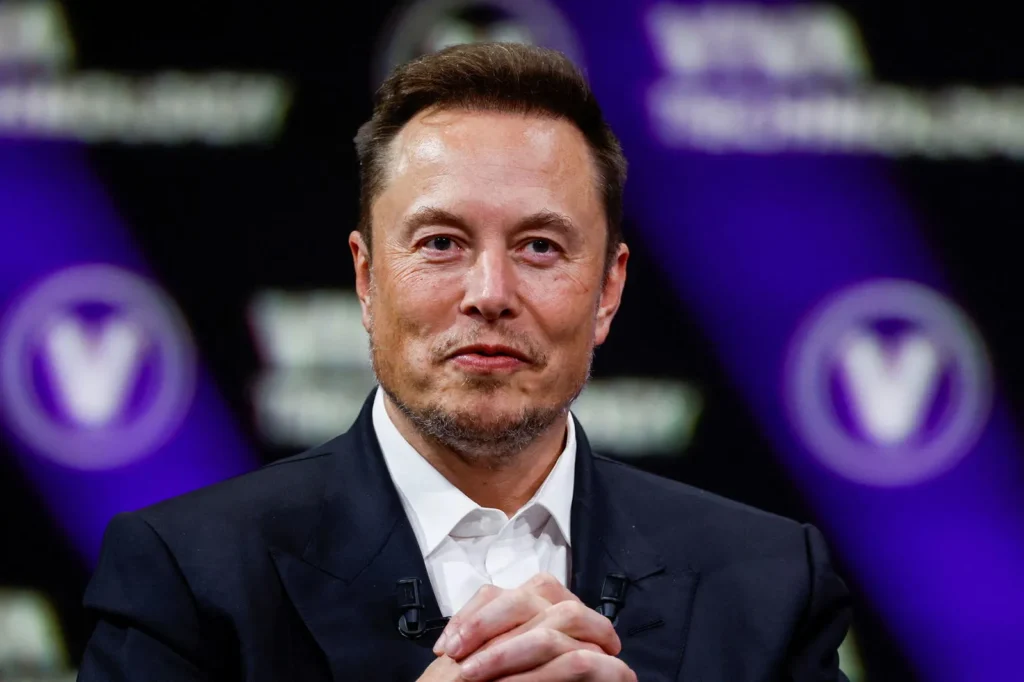
By consolidating AI chip development with Samsung, Tesla reduces reliance on third-party suppliers like Nvidia and TSMC. CEO Elon Musk has emphasized the partnership’s importance, with plans to personally oversee production efficiencies due to the plant’s proximity to his home.
Mixed Investor Sentiment Despite Stock Gains
Samsung shares surged nearly 7% after the announcement, while Tesla’s stock rose modestly. Analysts caution the deal alone may not reverse Samsung’s foundry losses—estimated at $3.6 billion in Q1 2025—but acknowledge the potential for long-term gains through increased credibility and future AI partnerships.
Industry Implications and Risks Ahead
- The AI6 chip deal underscores growing vertical integration trends in the automotive and AI sectors.
- Success hinges on delivering high yields and performance at scale.
- There is risk that other clients may avoid Samsung due to Tesla’s deep involvement in fab operations.
- Tesla’s broader growth still relies on clarity in product strategy and financial stability.