

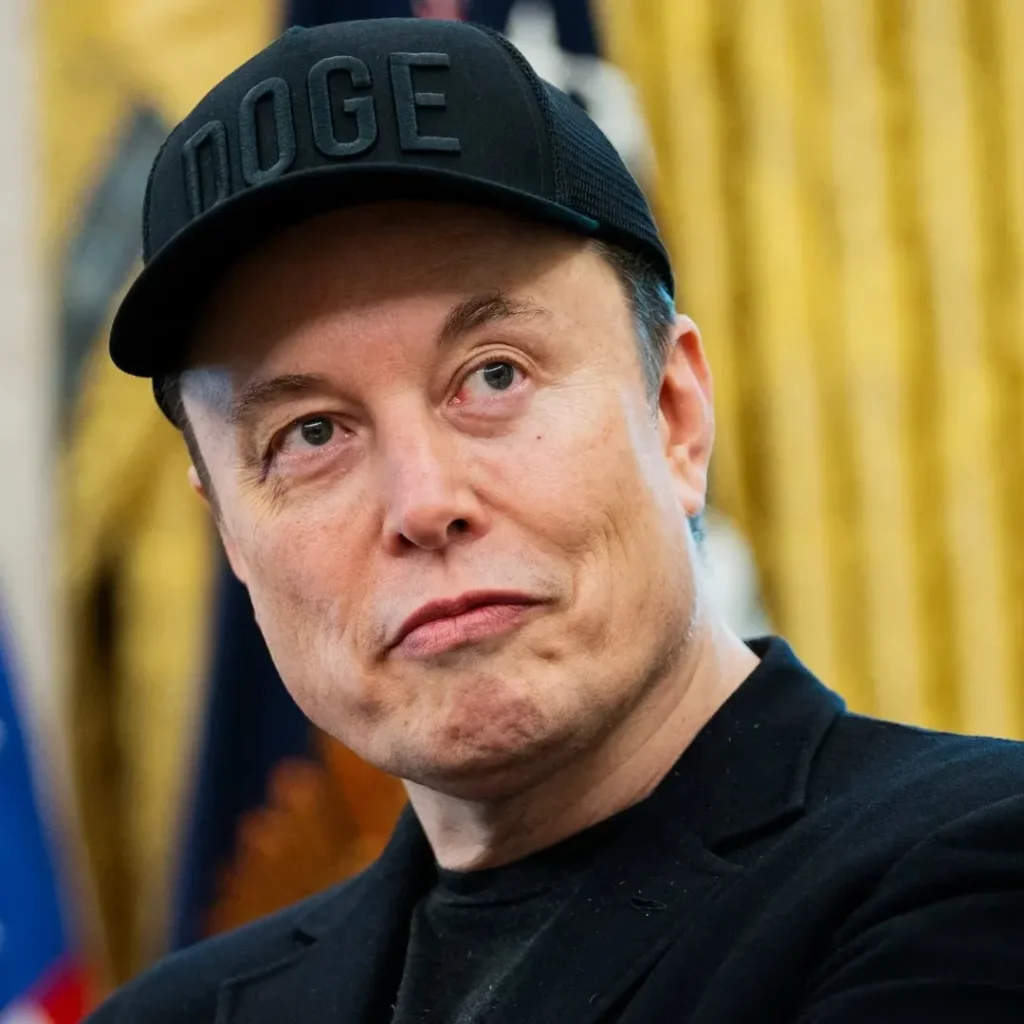
Musk Claims California Faces Bankruptcy Risk if Federal Transfer Payment Fraud Ends
Elon Musk, the co-leader of the Department of Government Efficiency, has issued a stark warning regarding the financial future of California during a series of public statements this week. The billionaire entrepreneur asserted that the most populous state in the union would face immediate bankruptcy if the federal government successfully eliminated what he describes as rampant fraud within transfer payment systems. Musk made these claims on his social media platform X where he has spent much of December 2025 detailing the preliminary findings of his efficiency commission. He specifically highlighted entitlements and social safety net programs as the primary areas where billions of dollars in taxpayer funds are allegedly being mismanaged or diverted through fraudulent channels.
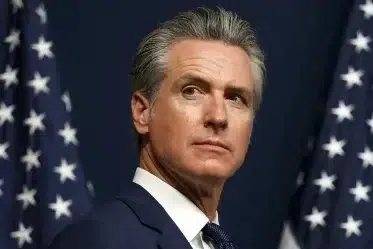
The allegations come at a time of heightened tension between the Trump administration and California leadership over the oversight of federal funds. Musk argued that a significant portion of the federal capital flowing into California is linked to improper payments that the state has become dependent upon to balance its increasingly precarious budget. He suggested that once the Department of Government Efficiency implements its proposed auditing software across all federal agencies the resulting loss of these fraudulent flows would expose a deep structural deficit in Sacramento. This rhetoric marks a significant escalation in the ongoing feud between Musk and California Governor Gavin Newsom who has repeatedly defended the integrity of his state’s financial systems and social programs.
State officials in California have been quick to dismiss these claims as politically motivated and lacking empirical evidence. Attorney General Rob Bonta has already initiated legal action to block the Department of Government Efficiency from accessing sensitive state-level data citing privacy concerns and constitutional boundaries. Democratic lawmakers argue that Musk is conflating administrative errors or improper payments with criminal fraud to justify sweeping cuts to essential services like Medicaid and Social Security. Despite these rebuttals Musk has continued to promote his “Wall of Receipts” initiative which purports to track every dollar of federal waste identified by his team during their first year of operation.
The economic implications of such a confrontation are profound as California remains the largest contributor to the national gross domestic product. Critics of the administration’s efficiency drive worry that a sudden contraction in federal transfer payments could trigger a localized recession or a collapse in public infrastructure funding. Meanwhile supporters of the audit process believe that Musk is performing a necessary service by exposing systemic loopholes that have allowed public funds to be exploited for years. The debate over the veracity of Musk’s bankruptcy claim is expected to dominate the congressional agenda as the new year approaches and the federal government prepares to finalize its 2026 spending priorities.
As the Department of Government Efficiency nears its self-imposed deadline for the first major wave of federal reforms the spotlight remains fixed on how these changes will impact individual states. Musk has indicated that his team is currently working with the Treasury Department to categorize every outgoing payment with a specific rationale to prevent the “blank-check” mentality he claims has characterized federal spending for decades. Whether or not California is truly at risk of insolvency remains a point of intense speculation among economists who are closely monitoring the interplay between federal auditing and state sovereignty.