

Tesla Q4 2025 Deliveries Drop 16 Percent as BYD Takes Annual Sales Crown
Tesla officially reported 418,227 vehicle deliveries for the fourth quarter of 2025, representing a significant 16 percent decline compared to the same period in the previous year. The Austin-based electric vehicle manufacturer also confirmed a production total of 434,358 vehicles for the quarter, indicating that supply continues to outpace actual customer demand. These figures fell short of the consensus estimates from Wall Street analysts who generally expected the company to reach at least 423,000 units. For the full year of 2025, Tesla recorded total deliveries of 1,636,129 vehicles, which marks an 8.5 percent decrease from its 2024 performance. This result confirms that the company has now experienced two consecutive years of falling annual deliveries as it struggles to maintain its once-dominant grip on the global market.
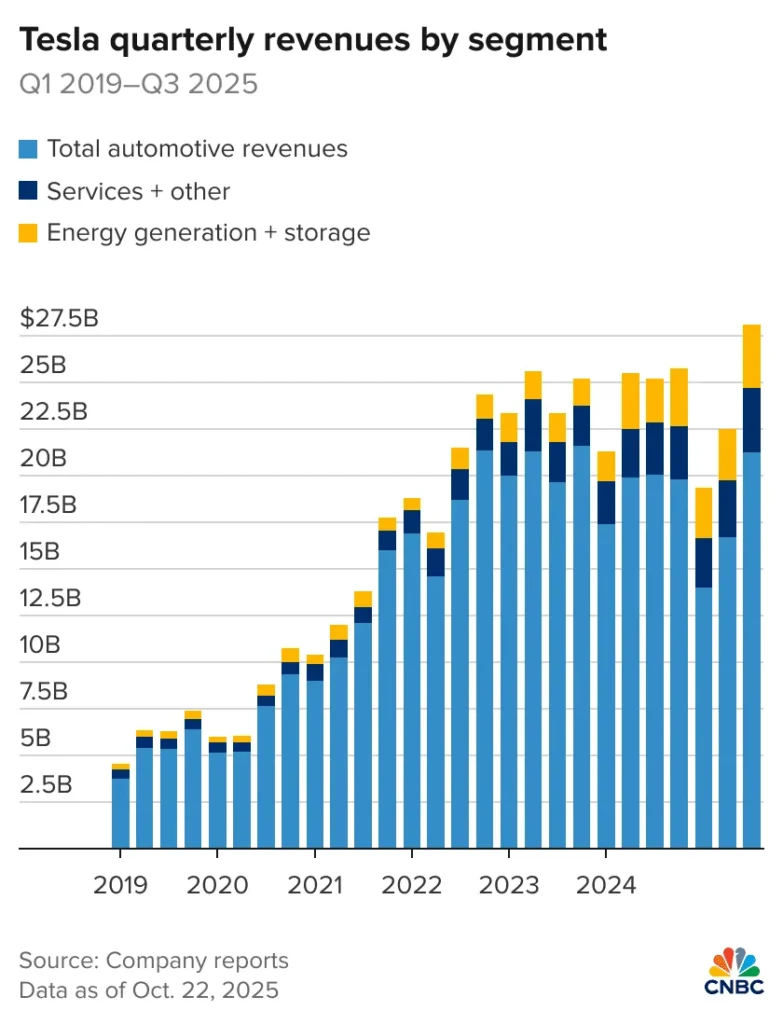
The sharp decline in fourth-quarter sales is largely attributed to the expiration of the $7,500 federal electric vehicle tax credit in the United States. This policy change, which took effect at the end of September, effectively pulled a massive amount of demand forward into the third quarter. Consequently, the fourth-quarter numbers reflect a natural cooling period as the upfront cost for new buyers increased significantly. Beyond domestic policy shifts, Tesla continues to face an aging product lineup and intensifying competition from both legacy automakers and aggressive Chinese manufacturers. The Model 3 and Model Y remains the primary drivers of volume, accounting for 406,585 of the quarterly deliveries, while the Cybertruck and older premium models contributed only 11,642 units to the total.
The 2025 annual data has officially confirmed a historic shift in the automotive industry as Chinese rival BYD surpassed Tesla as the world’s top seller of battery-electric vehicles. BYD reported selling approximately 2.26 million pure electric cars in 2025, beating Tesla’s annual total by nearly 600,000 vehicles. While Tesla remains the market leader in the United States, its market share in Europe and China has eroded under the pressure of more affordable and frequently updated local models. Analysts suggest that the lack of a new mass-market entry-level vehicle has left Tesla vulnerable to competitors who are rapidly diversifying their fleets. Despite the challenging delivery numbers, Tesla’s energy storage division provided a notable silver lining by deploying a record 14.2 gigawatt hours of battery products in the final quarter.
Investors are now looking toward the company’s full financial results, which are scheduled to be released after the market closes on Wednesday, January 28, 2026. During the upcoming earnings call, management is expected to address concerns regarding shrinking profit margins and provide guidance for the 2026 production year. CEO Elon Musk has recently emphasized the company’s transition into an artificial intelligence and robotics firm, though the core automotive business remains the primary source of revenue. As the 2026 calendar begins, the focus will likely remain on potential price adjustments and the timeline for the highly anticipated “next-generation” vehicle platform. The company continues to maintain that its long-term growth will be driven by autonomous driving software and humanoid robotics despite the current headwinds in traditional vehicle sales.