
Chinese Vessels Pass Through Strait of Hormuz as Iran Eases Blockade
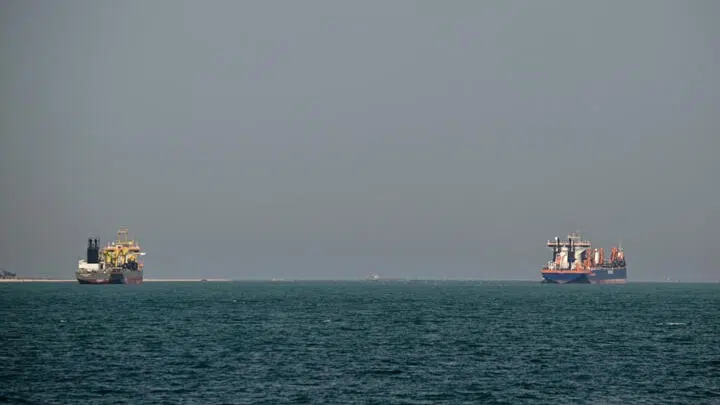
Chinese ships Strait of Hormuz March 2026
Maritime traffic through the world’s most critical energy chokepoint saw a rare signs of movement on Monday, March 30, 2026, as two massive Chinese-owned containerships successfully transited the Strait of Hormuz. The CSCL Arctic Ocean and CSCL Indian Ocean, both operated by the state-owned COSCO Shipping, were permitted to exit the Persian Gulf after an initial attempt to pass was thwarted by Iranian authorities over the weekend. According to reports from The Maritime Executive, the vessels had previously been ordered to turn back to punish the U.S. administration for what Tehran described as “dishonest” claims regarding a broader shipping agreement. This successful passage marks the first time large, non-Iranian containerships have navigated the waterway since the U.S.-Israeli conflict with Iran began on February 28, suggesting that Tehran is adopting a calibrated strategy of selective access for nations it deems neutral.
The transit occurred amidst a backdrop of extreme military tension and conflicting rhetoric from Washington and Tehran. While President Donald Trump recently suggested that Iran was allowing more ships to pass out of “respect” for the United States, he followed these comments with a stern social media warning that the U.S. would “obliterate” Iranian infrastructure if the Strait was not fully reopened. To ensure their safe passage, the Chinese crews utilized their Automatic Identification System (AIS) transmissions to display messages explicitly stating their nationality. Data from MarineTraffic indicates that the vessels are now steaming at elevated speeds toward Port Klang, Malaysia, having avoided the naval mines and drone threats that have paralyzed most commercial traffic in the region for over a month.
While China, Pakistan, and India have seen a “trickle” of their flagged vessels permitted to pass, the overall maritime corridor remains effectively shuttered for the majority of global trade. Analysts suggest that Iran is operating a “toll booth” system, granting passage based on specific political conditions or high-stakes financial arrangements. The continued closure for Western-linked tankers has kept global energy markets in a state of high volatility, especially following Tuesday’s drone strike on a Kuwaiti tanker off the coast of Dubai. As regional powers like Pakistan attempt to mediate a more permanent ceasefire in Islamabad, the international community is watching closely to see if this limited Chinese transit remains an isolated incident or the beginning of a broader de-escalation of the naval blockade.