
Iranian Strike Hits Giant Oil Tanker Off Dubai Following Trump Threats
Iranian strike oil tanker Dubai March 2026
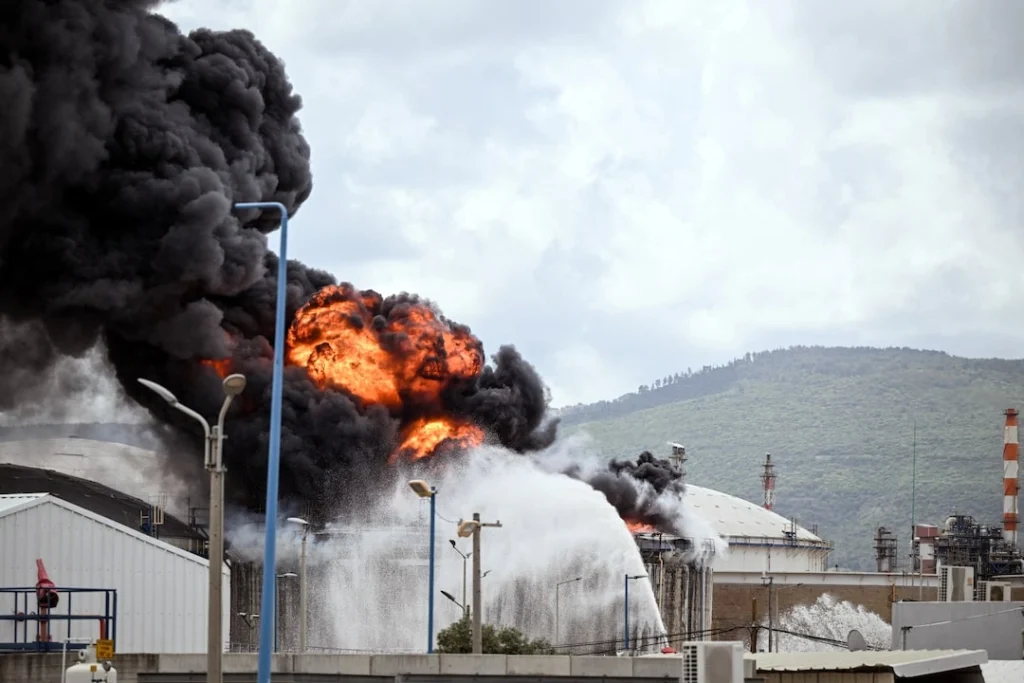
Tensions in the Persian Gulf reached a volatile new peak on Tuesday, March 31, 2026, after an Iranian drone strike targeted and set ablaze a giant crude oil tanker anchored off the coast of Dubai. The Kuwait-flagged vessel, identified as the Al-Salmi, was reportedly carrying approximately 2 million barrels of crude oil worth over $200 million when it was struck in the early hours of the morning. According to the Kuwait Petroleum Corporation, the attack caused significant hull damage and triggered a massive fire, though Dubai authorities have since confirmed that all 24 crew members are safe and the blaze has been brought under control. This latest assault on merchant shipping comes as a direct response to President Donald Trump’s recent ultimatum, in which he warned that the U.S. would “obliterate” Iran’s energy infrastructure if the Strait of Hormuz is not immediately reopened.
The strike on the Al-Salmi is the most significant maritime escalation since the joint U.S.-Israeli offensive began on February 28, further strangling global energy supplies and sending oil prices into a fresh tailspin. Brent crude surged past $115 a barrel immediately following the reports, reflecting deep market anxiety over the safety of the world’s most critical oil transit routes. While the Dubai Media Office reported that emergency response teams successfully prevented a major oil spill, the incident underscores the vulnerability of regional hubs like Jebel Ali to Iranian drone and missile technology. This kinetic exchange coincides with reports of a massive U.S. strike on the central Iranian city of Isfahan, where a fireball was seen rising over sites believed to house enriched uranium.
As the conflict enters its second month, the humanitarian and economic toll is expanding rapidly across the Middle East and beyond. The U.S. has begun deploying thousands of additional troops from the 82nd Airborne Division to the region, a move that provides the administration with increased ground-force options while diplomatic efforts in Islamabad remain at a standstill. Iranian officials have dismissed recent U.S. peace proposals as “unrealistic and excessive,” maintaining that their current military posture is purely defensive against ongoing “aggression.” With the April 6 deadline for a ceasefire fast approaching, the international community remains on high alert for further retaliation against regional energy assets and the potential for a full-scale ground intervention.