
U.S. Marines Reach Middle East as Houthis Formally Enter Iran War
U.S. Marines Middle East Iran war 2026
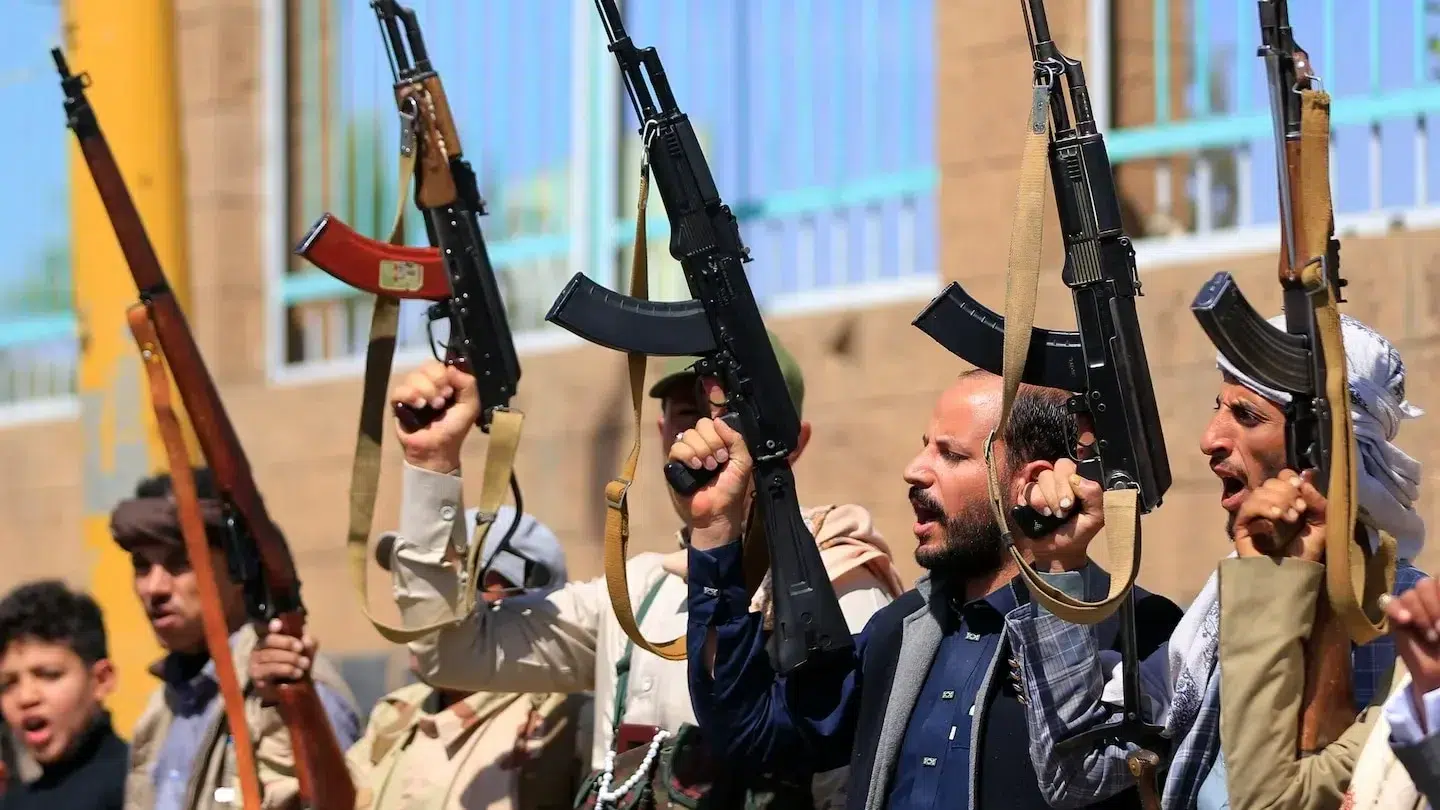
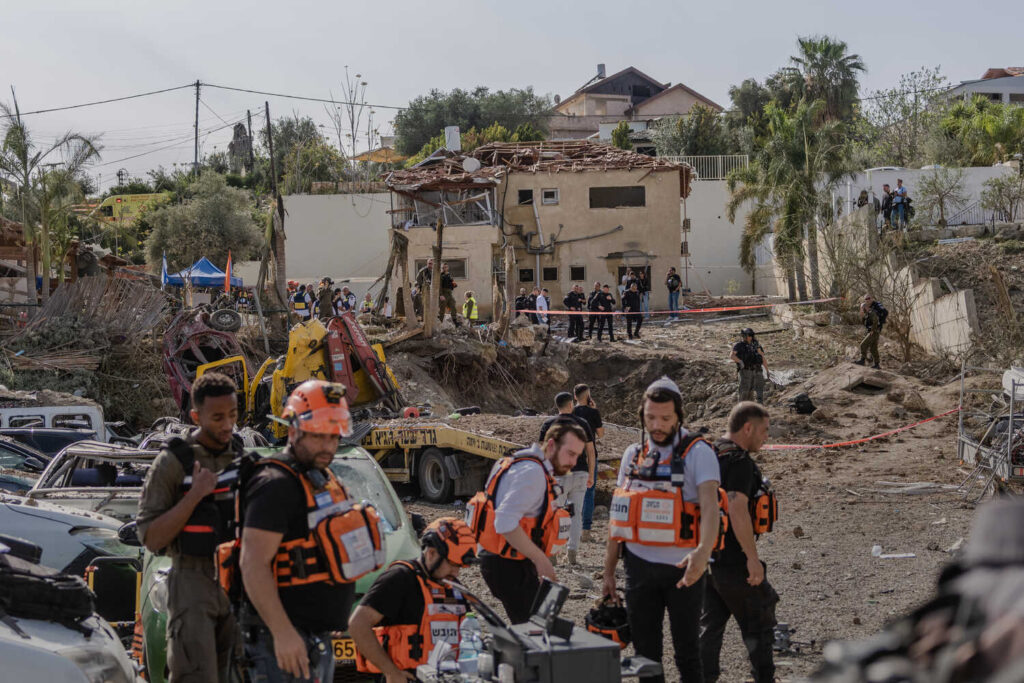
The military landscape of the Middle East shifted toward a broader confrontation on Sunday, March 29, 2026, following the arrival of over 3,500 U.S. Marines and sailors in the region. The U.S. Central Command confirmed that the USS Tripoli Amphibious Ready Group reached its area of responsibility on Friday, providing President Donald Trump with increased “military optionality” as the conflict enters its second month. This deployment, featuring F-35 stealth fighters and amphibious assault assets, coincides with a dramatic escalation from Yemen’s Houthi rebels. The group officially declared its entry into the hostilities by launching a series of ballistic missiles targeting sensitive military objectives in southern Israel. While the Israeli military reported successful interceptions over Beer Sheba, the Houthi intervention marks the opening of a volatile new front that threatens to permanently disrupt Red Sea trade routes.
This regional expansion follows a series of precise Israeli airstrikes on Friday that targeted Iran’s upstream nuclear infrastructure, specifically the Shahid Khondab Heavy Water Complex in Arak and the Ardakan yellowcake production plant. Although the Iranian Atomic Energy Organization stated that no radiation leaks were detected, the kinetic nature of the attacks represents a departure from previous years of shadow warfare and cyber-sabotage. In direct retaliation, the Islamic Revolutionary Guard Corps (IRGC) launched a coordinated drone and missile strike against the Prince Sultan Air Base in Saudi Arabia, resulting in injuries to at least 12 American service members. The IRGC has further warned that any regional industrial sites with American or Israeli ties will be considered legitimate targets in the coming days, prompting emergency evacuations in several Gulf industrial zones.
As the violence intensifies, diplomatic efforts are struggling to keep pace with the military build-up. Pakistan is set to host an emergency summit in Islamabad on Monday, bringing together foreign ministers from Saudi Arabia, Turkey, and Egypt to discuss a potential ceasefire. Despite these efforts, the global economic impact continues to worsen as the blockade of the Strait of Hormuz chokes off vital energy supplies, leaving dozens of tankers anchored and unable to navigate the waterway. In the United States, the massive “No Kings” protests reached a fever pitch over the weekend, with millions of citizens demonstrating against the domestic and international consequences of the ongoing war. For more on the latest updates from the frontlines, international observers are maintaining a 24-hour watch on regional developments.