
Eid al-Fitr 2026: Global Celebrations
Eid al-Fitr 2026 celebrations amidst a Middle East war.
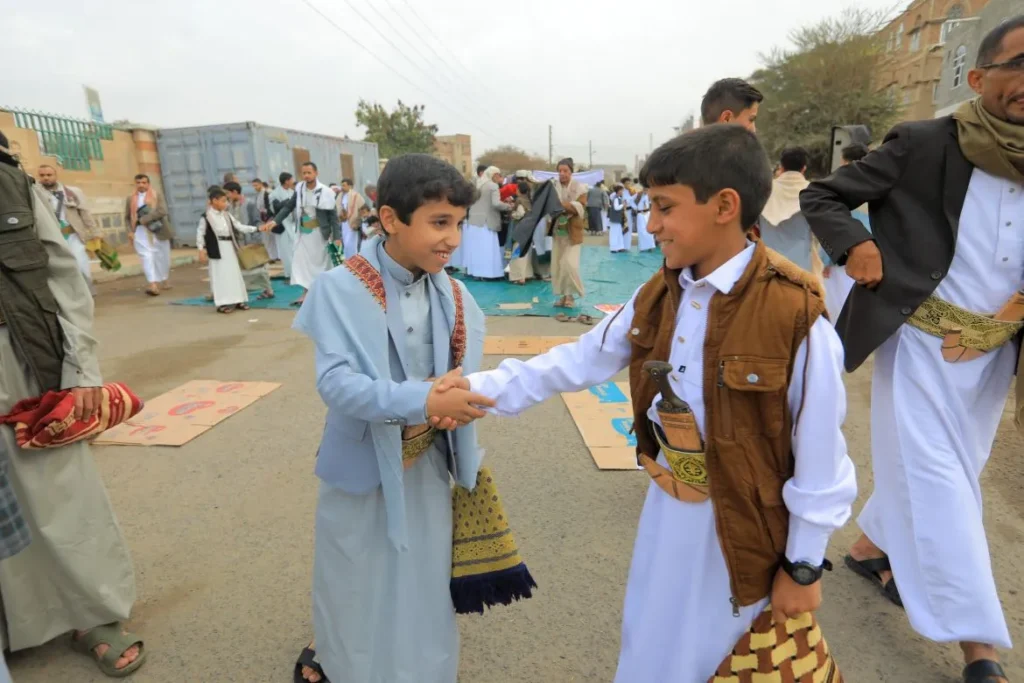
Millions of Muslims around the world marked the beginning of Eid al-Fitr on Friday, March 20, 2026. This date concluded the holy month of Ramadan under a heavy veil of regional conflict and humanitarian crisis.
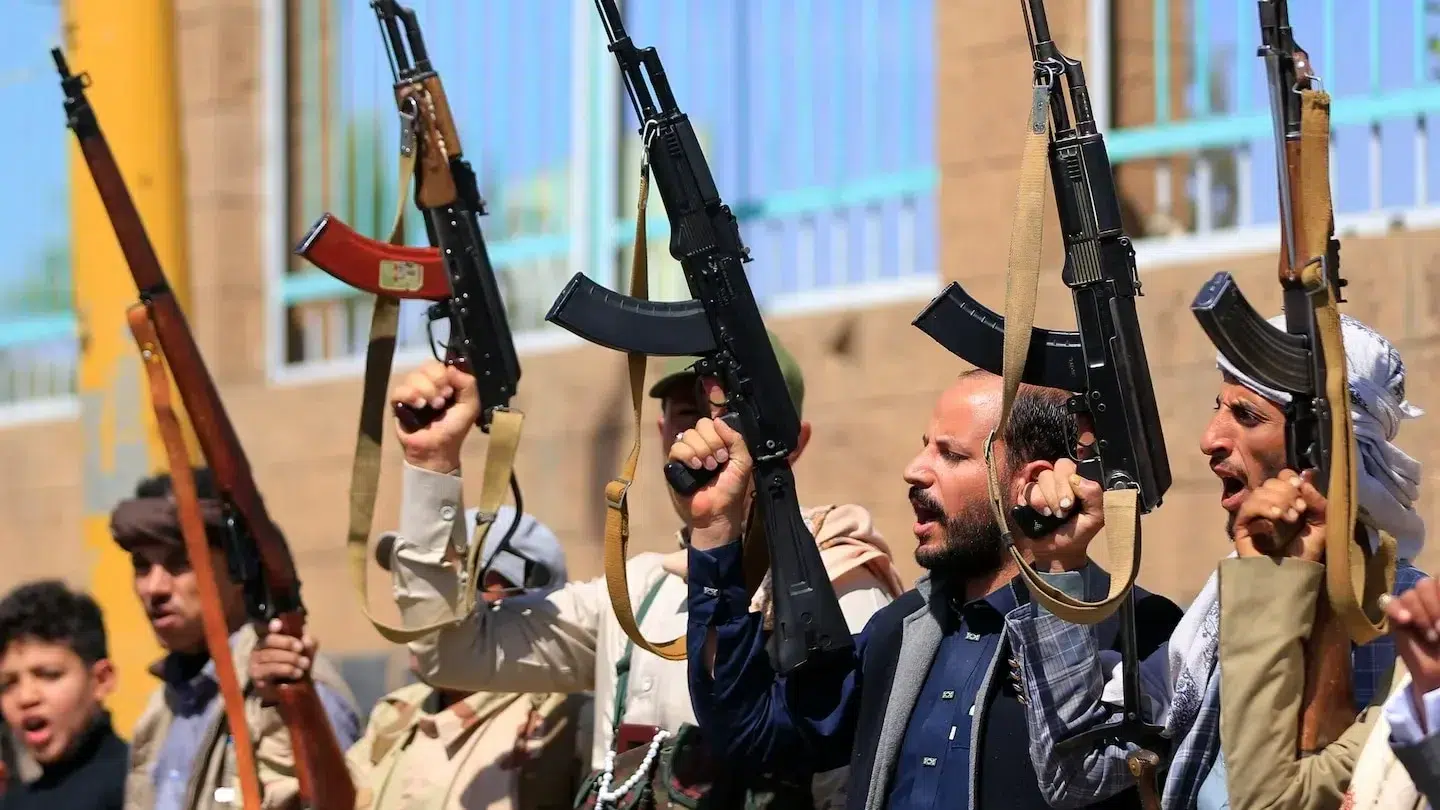
While the “Festival of Breaking the Fast” is traditionally a time of vibrant public celebration, new clothes, and family gatherings, the 2026 observances have been profoundly reshaped by the ongoing war between Israel and Iran.
The continued devastation in the Palestinian territories has further impacted the festivities. In many Gulf nations, including the UAE, Kuwait, and Qatar, authorities took the unprecedented step of canceling all outdoor “musalla” prayer gatherings. Eid prayers were mandated to take place exclusively inside mosques due to heightened security risks and the threat of drone or missile activity.
According to reports from Al Jazeera, the usual festive atmosphere in cities like Dubai and Doha was replaced by a climate of “risk management.” Public events were scaled back, and there was an increase in security patrols at shopping centers and parks.
Eid al-Fitr 2026: Global Celebrations
In Jerusalem, the day was described by worshippers as one of the “saddest” in recent history. Israeli authorities closed the Al-Aqsa Mosque complex for Eid prayers, citing extreme security tensions.
For the first time in decades, the seventh-century Dome of the Rock and the surrounding courtyards remained sealed. Thousands of Palestinians were forced to hold their morning prayers on the asphalt of the Old City’s narrow streets and nearby roads.
The Guardian reports that the closure drew sharp condemnation from the Arab League, which labeled the move a “blatant violation of international law.” Meanwhile, in the Gaza Strip, the sound of Takbir—the traditional Eid chant—mingled with the low hum of drones and distant bombardment.
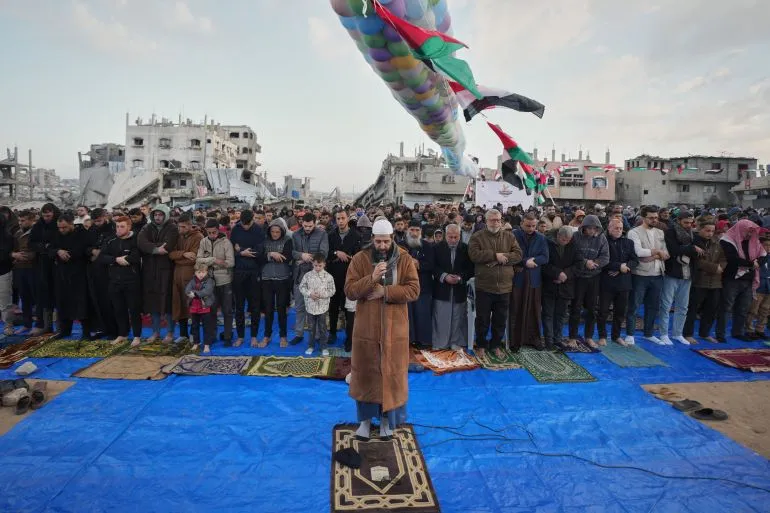
In Jabalia, families gathered to pray amidst the ruins of destroyed buildings. They maintained a fragile sense of community despite the severe famine risks and displacement that continue to plague the enclave.
The economic toll of the three-week-old Iran-Israel war cast a shadow over celebrations far beyond the immediate combat zones. A “stagflationary shock” caused by the targeting of major energy hubs like South Pars and Ras Laffan has sent food and fuel prices skyrocketing.
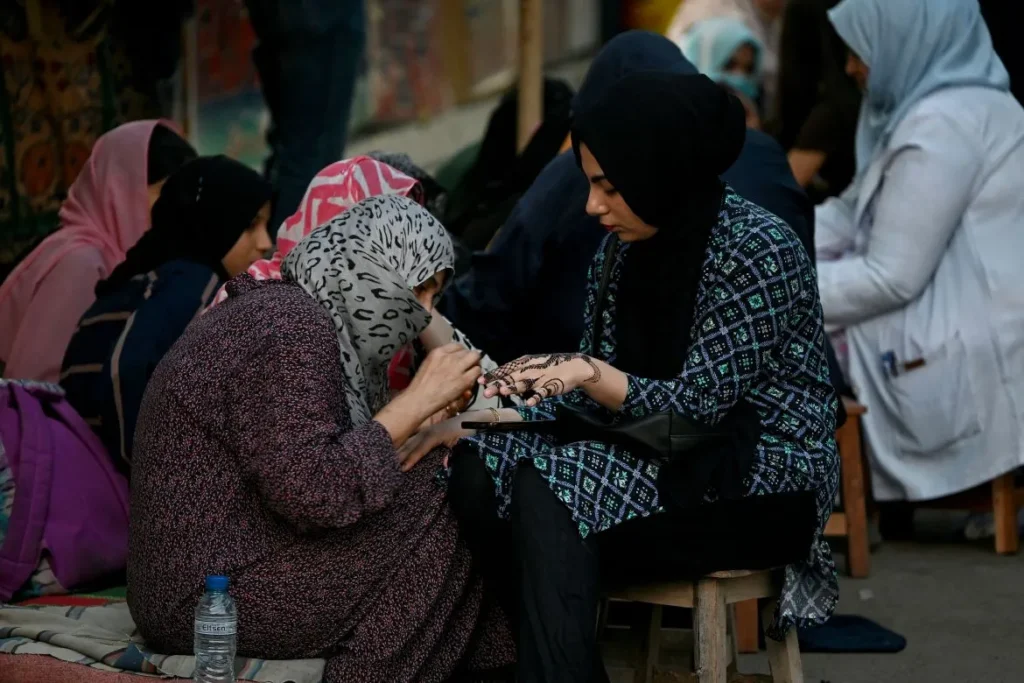
This has stripped away the ability of many families to afford traditional Eid treats or new clothing for their children. Save the Children noted that the cost of basic staples has tripled in parts of Lebanon and Iran, where more than one million people remain newly displaced.
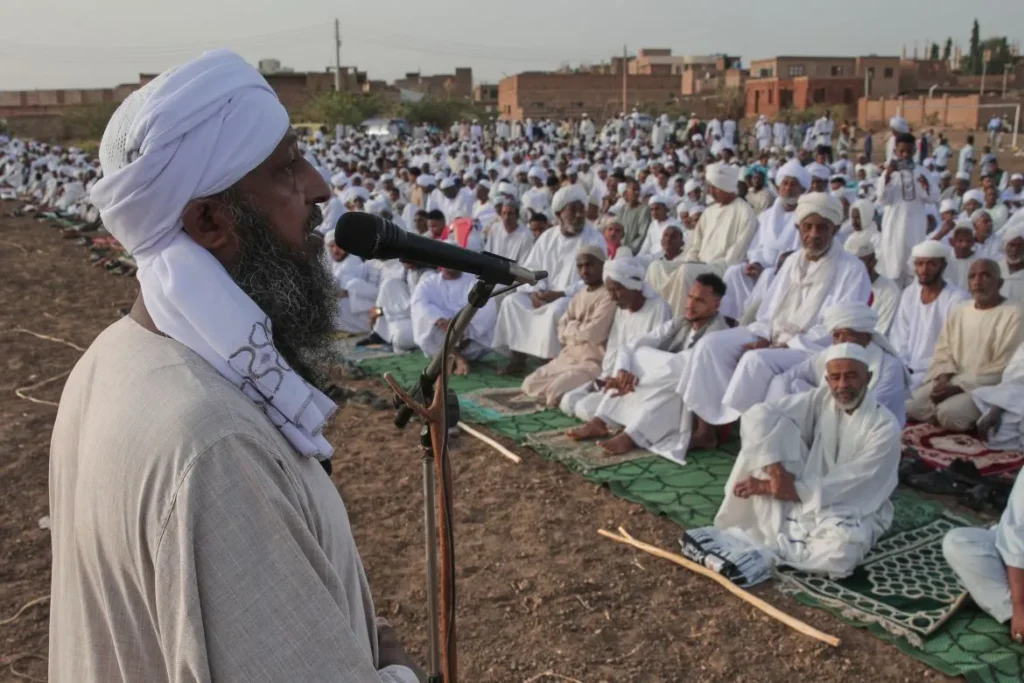
Despite these hardships, the spirit of resilience remained visible globally. From the Blue Mosque in Istanbul to Skanderbeg Square in Albania, millions raised their hands in prayer. Many focused their supplications on a plea for peace and an end to the “unimaginable horrors” currently facing a generation of children across the Middle East.