
Trump to Waive Oil Sanctions and Secure Strait
Trump Strait of Hormuz oil sanctions waiver
President Donald Trump announced on Monday a sweeping set of measures aimed at stabilizing global energy markets, including plans to temporarily waive oil-related sanctions and a commitment to keep the Strait of Hormuz open for all nations, specifically naming China as a beneficiary. Speaking from his resort in Doral, Florida, the president framed the move as a necessary response to “artificially” inflated energy prices caused by the ongoing military conflict with Iran. Trump emphasized that the U.S. Navy stands ready to escort tankers through the vital waterway, which carries roughly one-fifth of the world’s oil supply, to ensure the “FREE FLOW of ENERGY” to the world. This announcement follows a week of intense volatility that saw global oil prices surge past $100 per barrel as shipping through the strait largely ground to a halt following U.S. and Israeli strikes on the Iranian regime.
The administration’s decision to waive sanctions marks a strategic pivot intended to increase global oil supply and provide immediate relief at the pump for American consumers ahead of the November midterm elections. While the president did not provide an exhaustive list of the countries affected, he confirmed that the waivers would remain in place until the current regional turmoil “straightens out.” Reports from Reuters suggest the White House is considering easing restrictions on Russian oil, a move that would significantly boost world supplies but potentially complicate U.S. diplomatic efforts regarding the war in Ukraine. The U.S. Treasury had already issued a 30-day waiver last week allowing India to purchase certain Russian oil cargoes, a decision that has already drawn sharp criticism from some congressional leaders who argue it benefits U.S. adversaries.
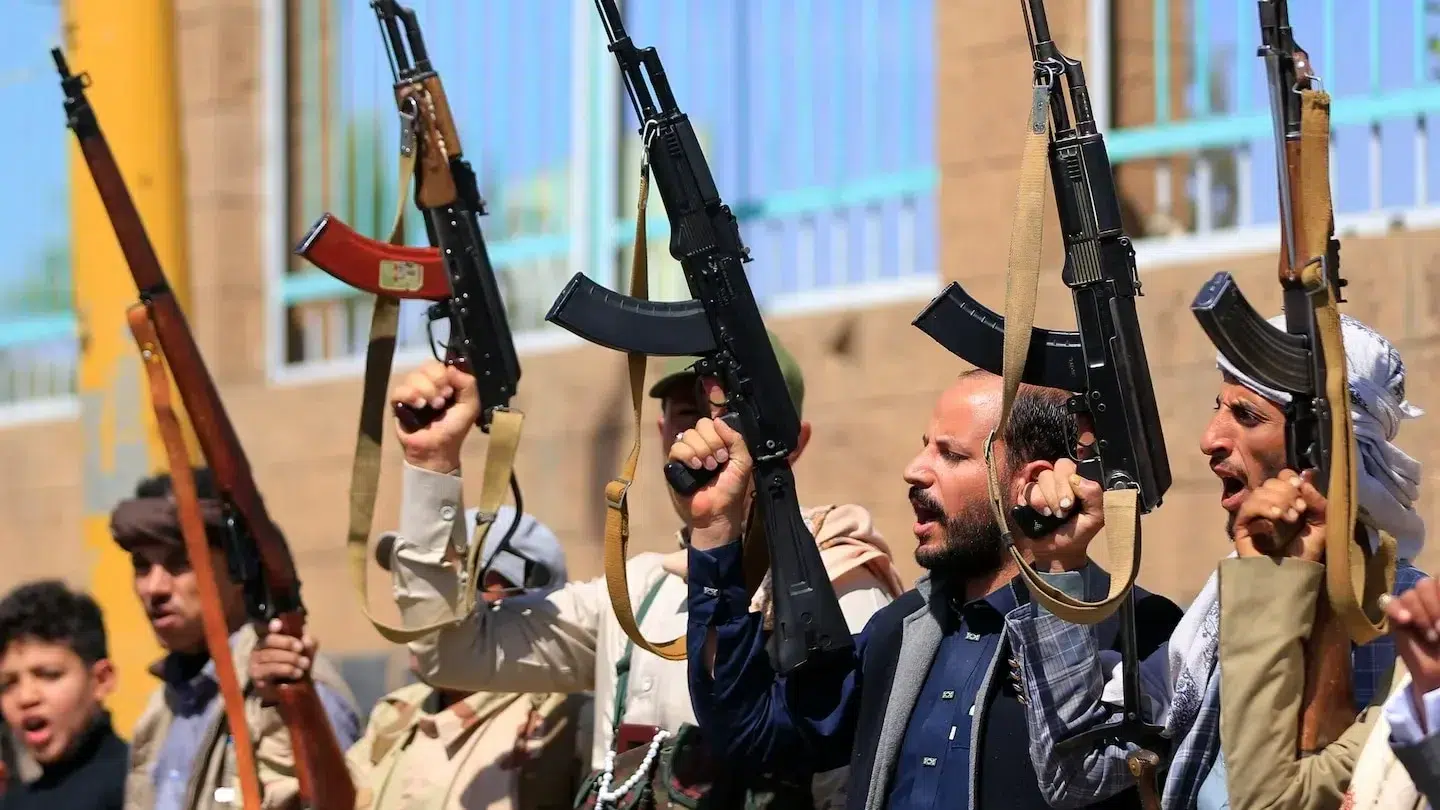
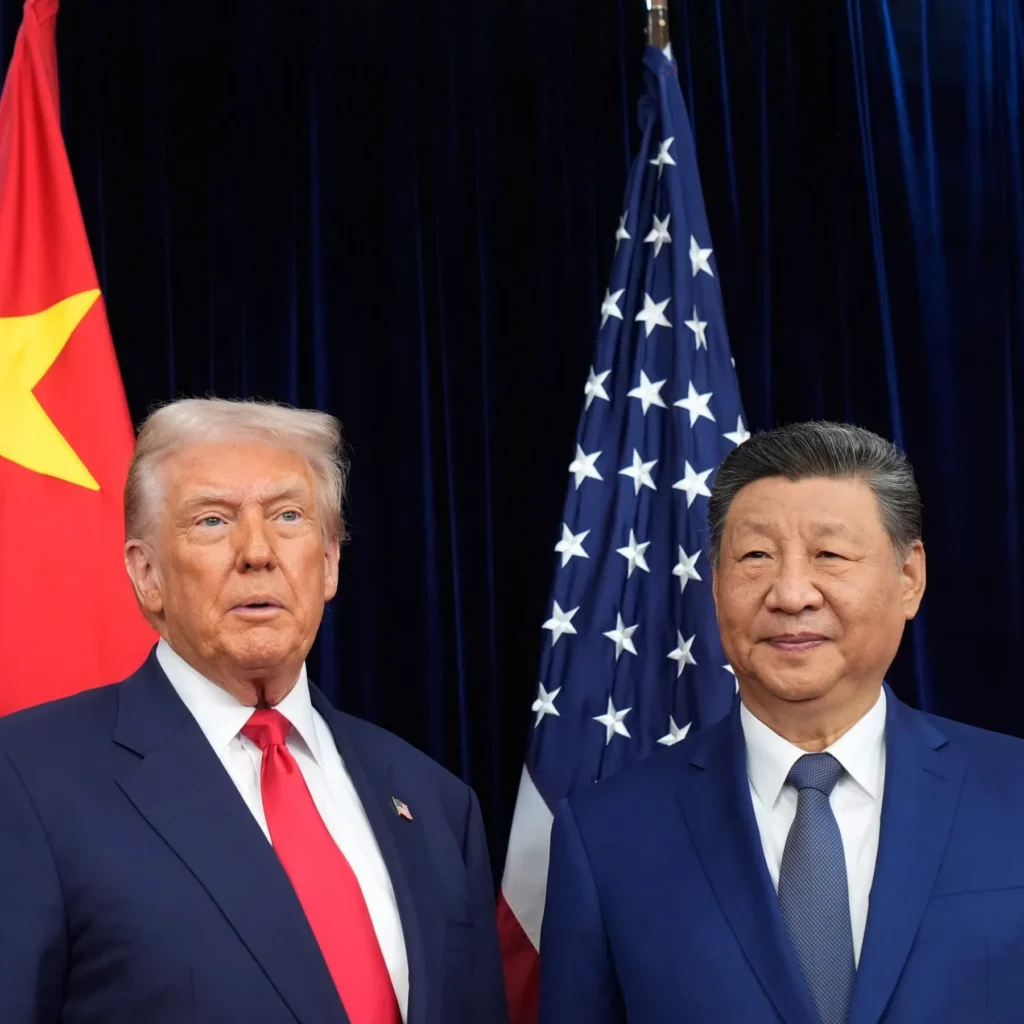
In a notable diplomatic overture, President Trump specifically highlighted the importance of maintaining the Strait of Hormuz for China, describing the U.S. effort to secure the lane as a “gift” and an “honor.” “We’re really helping China here and other countries because they get a lot of their energy from the Straits,” Trump told reporters, noting his “very good relationship” with Chinese President Xi Jinping. This stance aligns with reports from Bloomberg indicating that Beijing has been privately pressing Tehran to avoid disrupting shipping, particularly energy exports from Qatar. Despite Iranian threats to close the waterway, the U.S. military maintains that “not a single Iranian ship” is currently under way in the Persian Gulf, and the president urged tanker crews to “show some guts” and resume transits.
The White House is also exploring additional economic levers to curb inflation, including the release of emergency crude stockpiles from the Strategic Petroleum Reserve and potential interventions in the oil futures market. Energy Secretary Chris Wright confirmed that while no final decision has been made on a coordinated global stockpile release, the administration is ruling out restrictions on U.S. energy exports. These domestic maneuvers are occurring alongside major international developments, such as the selection of Mojtaba Khamenei as Iran’s next Supreme Leader and the ongoing investigation into the explosion at the U.S. Embassy in Oslo. As the administration pushes for a swift resolution to the conflict, the focus remains on whether these temporary economic reprieves will be enough to settle a market rattled by the prospect of a prolonged war.