
Maduro Trapped With Limited Options After Trump Administration Seizes Major Oil Tanker
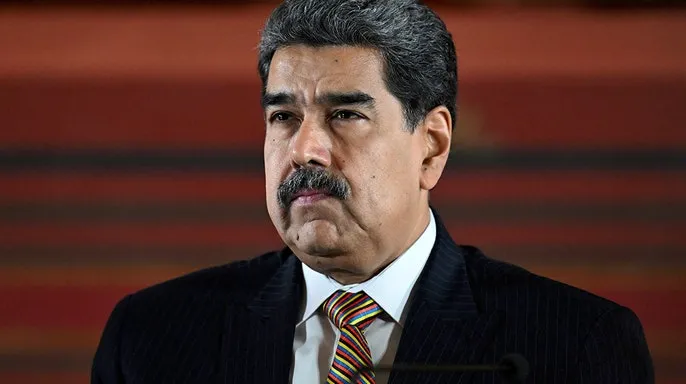
The Trump administration’s dramatic seizure of a massive Venezuelan-linked oil tanker, the Skipper, in the Caribbean Sea this week has cornered President Nicolás Maduro, leaving his regime with severely limited options for retaliation against the escalating U.S. pressure campaign. The seizure, which the U.S. justifies under a judicial warrant citing the vessel’s past links to an illicit oil shipping network involving Iranian and Hezbollah financing, marks a significant and unprecedented escalation targeting Caracas’s main source of income.
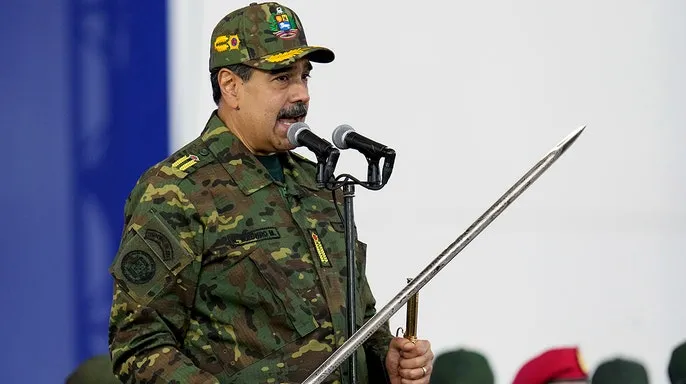
While the Maduro government immediately condemned the action as “blatant theft and an act of international piracy,” analysts say the regime is in a weak position to respond in kind due to its heavy reliance on a shadowy network of tankers to circumvent existing U.S. sanctions. The Skipper, a Very Large Crude Carrier (VLCC) carrying approximately two million barrels of Venezuelan crude, was seized by a combined force including the U.S. Coast Guard and FBI. President Trump publicly commented on the seizure, stating simply, “we keep it, I guess,” signaling the intent to confiscate the oil cargo, a move that directly starves the Venezuelan government of millions in critical revenue.
Maduro’s potential responses are severely constrained. Military retaliation is deemed highly improbable given the overwhelming U.S. naval presence in the Caribbean, including the USS Gerald Ford aircraft carrier. Economically, the country has little leverage, as its economy is already crippled by sanctions and a collapse in oil output. Diplomatic protests have been launched, but these have historically yielded little impact on U.S. policy. Furthermore, experts suggest the U.S. may have seized the vessel in international waters under the premise that it was falsely flagged, effectively making it “stateless” under international maritime law and thus a legitimate target for intervention. The immediate fallout has already seen several other sanctioned tankers engaged in the Venezuelan oil trade abruptly flee the area, indicating the move has severely increased the perceived risk of doing business with Caracas. This successful interception is widely viewed as a clear warning that the U.S. is willing to physically interrupt the oil trade that has sustained the regime.