
Hormuz Blockade Triggers Largest Global Oil Shock
Middle East conflict day 13 oil crisis
The conflict between the United States, Israel, and Iran entered its thirteenth day on Friday, March 13, 2026, with the International Energy Agency (IEA) officially characterizing the crisis as the largest supply disruption in the history of the global oil market. According to the latest IEA market report, crude production is currently down by at least 8.0 million barrels per day as Iran’s effective blockade of the Strait of Hormuz has reduced maritime traffic to less than 10% of pre-crisis levels. While a massive coordinated release of 400 million barrels from global strategic reserves briefly pulled prices back from their Monday peak of $119, Brent crude remains volatile, hovering around the $100 mark as fresh reports of Iranian attacks on commercial vessels continue to rattle investors.
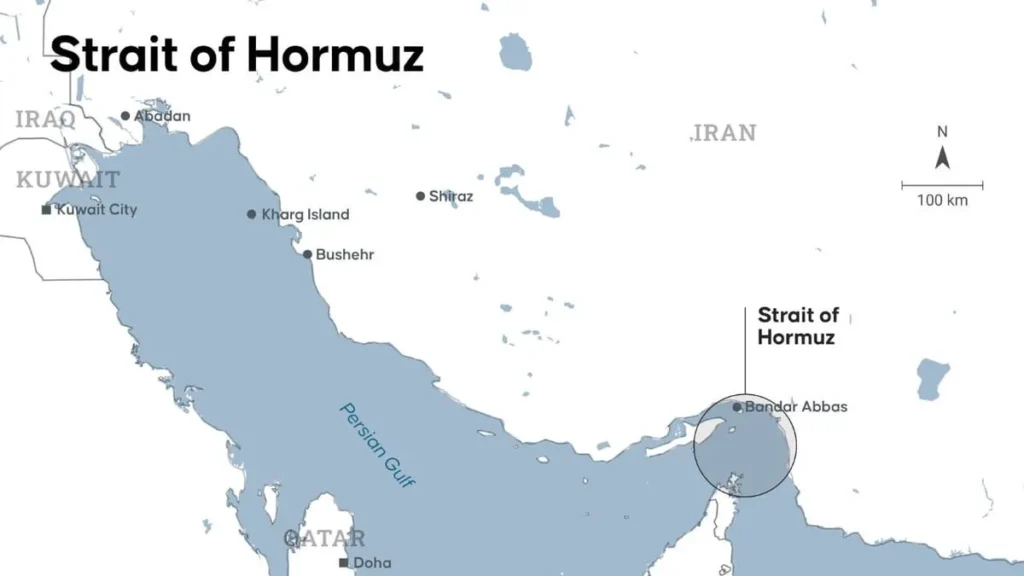
Geopolitical tensions escalated further Friday morning as Iran launched a new wave of missile strikes toward Israel, while Saudi Arabia reported the interception of 12 drones targeting its oil-rich eastern provinces. The conflict has moved decisively into the maritime domain, with Iranian Revolutionary Guard forces targeting merchant ships regardless of their destination. Official tracking reports indicate that several vessels, including the Thailand-flagged MV Mayuree Naree and the Japan-flagged One Majesty, were recently struck while transiting near the Gulf of Oman. These attacks have forced major shipping conglomerates like Maersk and MSC to divert over 150 vessels away from the region, leading to significant delays for essential commodities including aluminum, fertilizers, and a quarter of the world’s helium supply.
In Iraq, the U.S. military is currently conducting a high-stakes search and rescue operation following the crash of a KC-135 refueling aircraft in “friendly airspace” in the western part of the country. While U.S. Central Command stated the crash was not the result of hostile fire, the incident underscores the intense operational strain on coalition forces. Meanwhile, economic analysts warn that the prolonged closure of the Strait of Hormuz is creating a “fear premium” that could drive global inflation decisively above 4% if a resolution is not reached. Despite the Trump administration’s recent authorization to release stranded Russian oil to cool the market, the Iranian leadership remains defiant, with Supreme Leader Mojtaba Khamenei vowing to maintain the economic chokehold until U.S.-Israeli strikes on Iranian territory cease.