
Sesame Workshop Sues SeaWorld
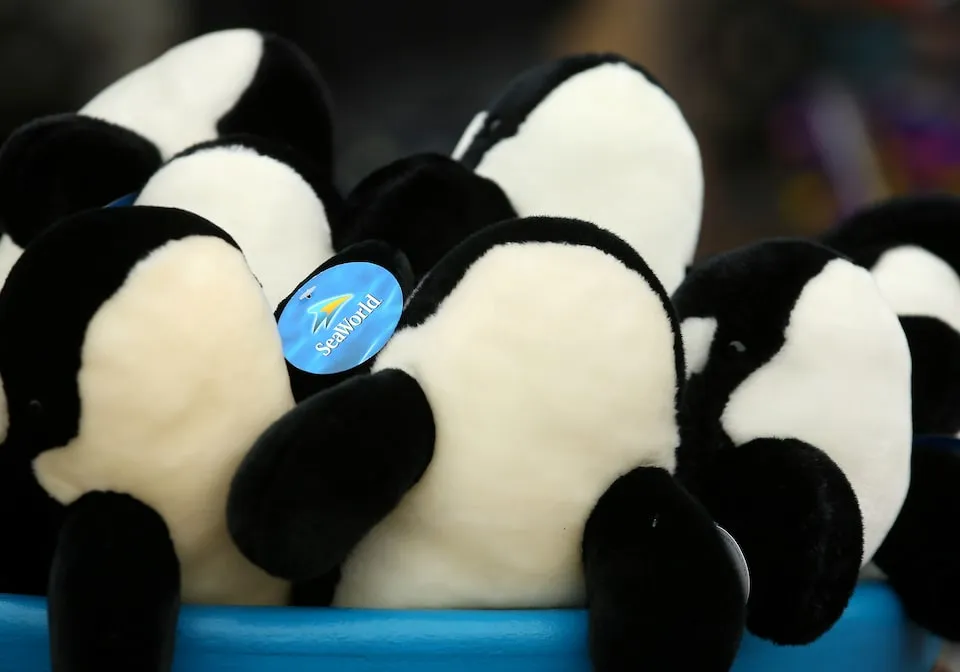
Sesame Workshop SeaWorld lawsuit 2026
Sesame Workshop, the global nonprofit behind the iconic children’s television program “Sesame Street,” filed a federal lawsuit against SeaWorld on Thursday, March 12, 2026, seeking to terminate a 45-year partnership. The complaint, filed in Manhattan federal court, accuses the theme park operator of “running roughshod” over their long-standing licensing agreement by withholding millions in royalties and systematically undermining the brand’s reputation. According to official legal filings, Sesame Workshop alleges that SeaWorld, a subsidiary of United Parks & Resorts, began ignoring its 2017 contractual obligations by closing themed attractions and failing to maintain the high standards associated with characters like Elmo, Big Bird, and Cookie Monster. The nonprofit characterized SeaWorld’s recent behavior as “rogue and retaliatory,” claiming that the park operator has created an “imminent threat” to the trust families place in the Sesame Street brand.
The legal battle marks a significant escalation following a September 2024 ruling in which a federal judge ordered SeaWorld to pay Sesame Workshop $11.4 million for unpaid licensing fees stemming from the pandemic era. In the new complaint, Sesame Workshop asserts that rather than correcting its course, SeaWorld stopped paying all royalties entirely in late 2024 as a “pretext” to force an end to the relationship. Reuters reports indicate that the nonprofit was particularly incensed by SeaWorld’s “preposterous” counter-accusation that Sesame Workshop had failed to invest in its own intellectual property. The lawsuit highlights the temporary closure of Sesame Place San Diego as a primary example of how the park operator has allegedly “disappointed children and families” and damaged the brand’s visibility in key American markets.
In a public statement, a spokesperson for Sesame Workshop emphasized that the nonprofit had “no choice but to pursue litigation” after United Parks & Resorts repeatedly failed to honor its financial and operational commitments. While SeaWorld and its parent company have yet to issue a formal response to the Manhattan filing, the company has historically argued that pandemic-related shutdowns justified the suspension of certain payments. This latest legal challenge adds to a growing list of hurdles for the Orlando-based park operator, which is also facing separate litigation from the City of San Diego over unpaid rent and various consumer class-action suits regarding ticket pricing. As the “exclusive U.S. theme park licensee” for Sesame Street, SeaWorld’s potential loss of the brand would force a massive rebranding of its dedicated children’s lands at SeaWorld Orlando, SeaWorld San Diego, and Busch Gardens locations.