
Global Celebrations Erupt Across Major Cities Following US Capture of Nicolás Maduro in Venezuela
The news of the capture of Nicolás Maduro by United States military forces has sparked a wave of jubilant celebrations among the Venezuelan diaspora across the globe. From the streets of South Florida to the major capitals of Europe and South America, thousands of exiles gathered on Sunday, January 4, 2026, to mark what they described as the end of a decades-long struggle for freedom. In many cities, the sounds of car horns and national anthems filled the air as news of the overnight operation in Caracas spread rapidly through social media and news broadcasts. Many individuals who had fled the country due to political repression and economic collapse expressed a profound sense of relief and hope for a future return to their homeland. While the military situation on the ground remains complex, the immediate reaction from Venezuelan communities abroad has been overwhelmingly centered on the prospect of democratic restoration.
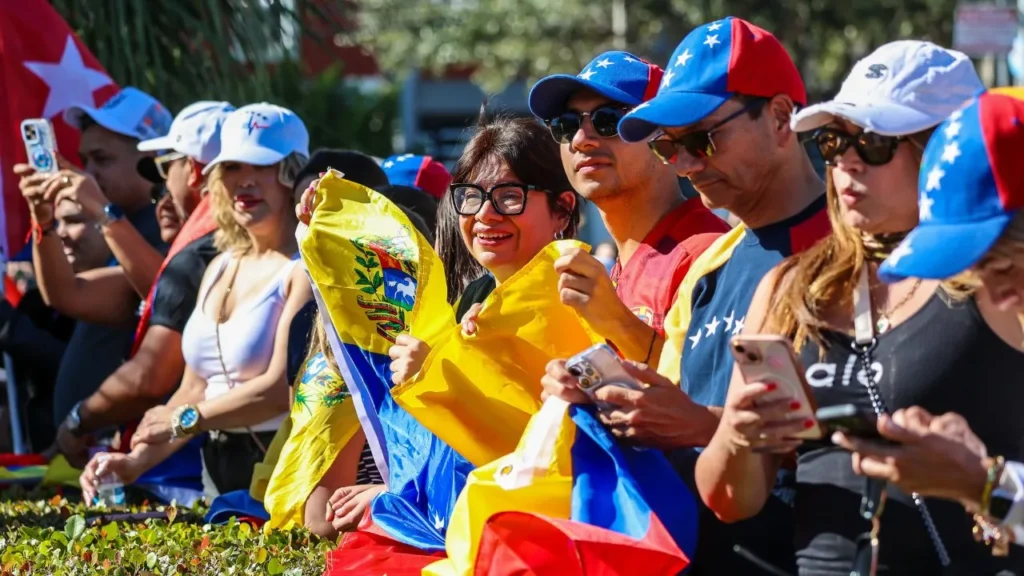
In the Miami suburb of Doral, which serves as a significant hub for Venezuelan culture in the United States, the atmosphere was electric throughout the morning. Hundreds of residents converged on the well-known El Arepazo restaurant to wave yellow, blue, and red flags while chanting slogans of liberty. Many attendees were visibly emotional as they shared stories of family members still residing in Venezuela who had endured years of hardship under the Maduro administration. Local community leaders noted that the sudden turn of events felt like a second independence day for a population that has long advocated for international intervention. Similar scenes played out across other parts of Florida and in major American cities where the Venezuelan population has grown significantly in recent years.
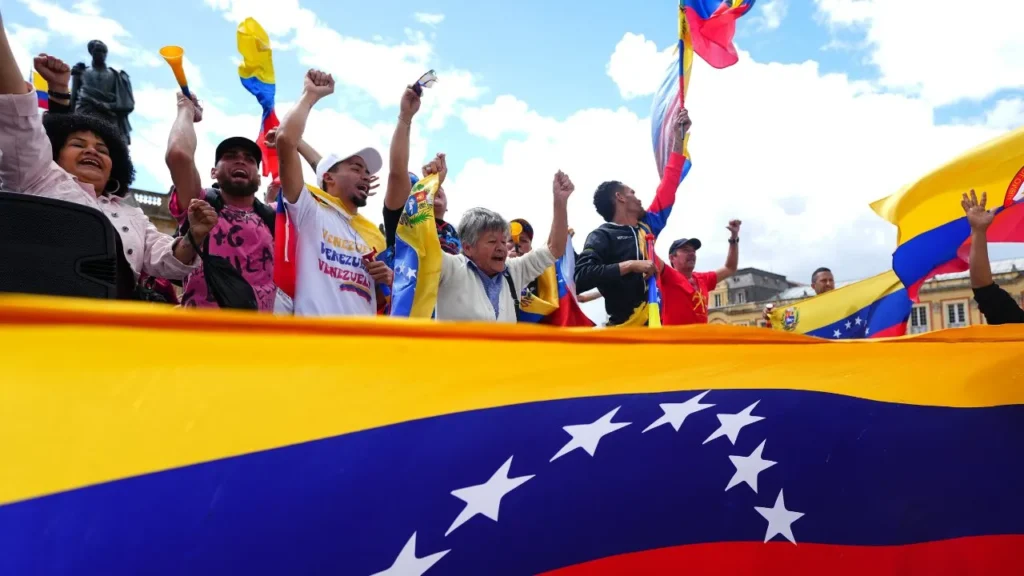
The celebration was equally intense in South American nations that have absorbed millions of Venezuelan migrants over the past decade. In the Chilean capital of Santiago, thousands of people massed in public squares to cheer the news of the capture and the reported strikes on military targets. Migrants in Colombia and Peru also held spontaneous rallies, with many participants expressing hope that the removal of Maduro would finally allow them to reunite with loved ones. For many of these individuals, the capture represents the potential end of a humanitarian crisis that has displaced roughly twenty percent of the Venezuelan population. Despite the joy, some community organizers urged caution and emphasized the need for a stable transition to ensure that the country does not descend into further chaos.
In Europe, the Puerta del Sol in Madrid became a focal point for thousands of Venezuelans living in Spain who gathered to watch live updates of the situation. The crowd erupted in applause as footage of President Trump’s press conference was broadcast on large screens, signaling a major shift in U.S. policy toward the region. Many exiles in Europe have spent years lobbying international bodies to take more decisive action against the Caracas government and viewed the military operation as a necessary step. As the sun set in various time zones, the celebrations continued with a mixture of festive music and solemn prayers for the safety of those still in Venezuela. The global community now looks toward the United Nations and regional bodies to see how they will manage the geopolitical fallout of this unprecedented military action.