
From Prison Cell to Frontline: The Controversial Program Letting Convicts Fight for Ukraine
For more than a year, Ukraine has quietly operated a program that allows eligible convicts to exchange prison time for service on the battlefield. While intended to address acute manpower shortages, the policy has sparked fierce debates over security, morality, and the long-term implications for society.
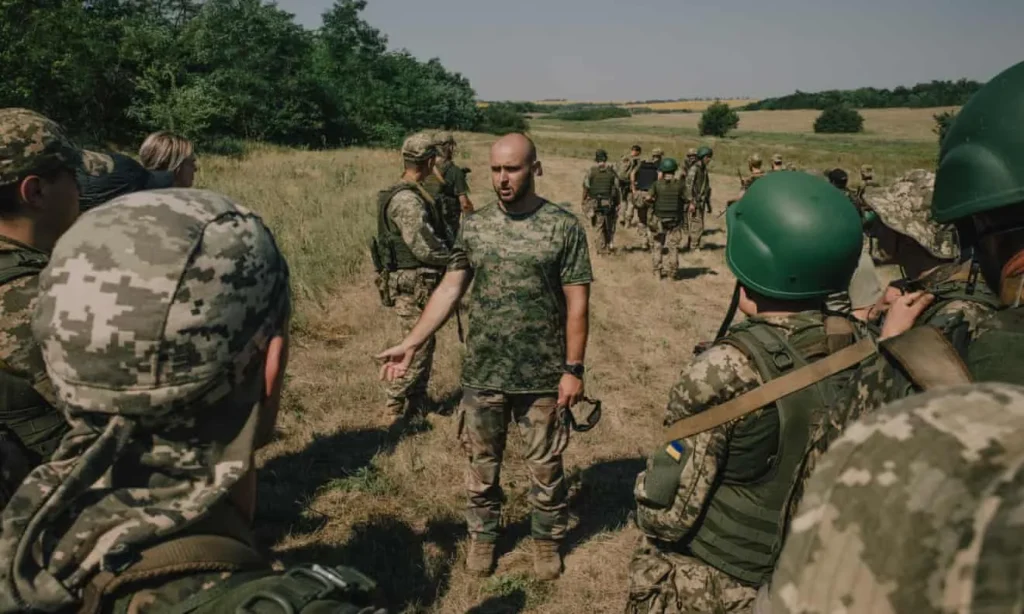
The legal framework, passed in mid-2024, permits individuals convicted of non-violent offenses—excluding murder, rape, and national security crimes—to volunteer for combat. After passing stringent medical, psychological, and legal reviews, some inmates have traded prison cells for military training camps.
Many of these new recruits are assigned to assault or special battalions such as the “Shkval” unit, which operates under rules that any attempt to desert or retreat without authorization could add years back onto their original sentences. In some instances, recruits have been quoted saying, “I can kill and not be convicted,” reflecting the deep psychological toll and moral hazard the program has unleashed.
Proponents argue the scheme offers prisoners a chance at redemption, returning them as defenders of their homeland rather than liabilities behind bars. They contend the policy allows Ukraine to stretch limited resources while offering a path to rehabilitation.
Yet critics warn the experiment is fraught with danger. They point to fears that integrating individuals with criminal backgrounds may erode discipline in military units and lead to increased incidences of war crimes. Observers also raise the specter of future domestic instability as some fighters return home with combat experience but without full reintegration planning. International rights groups have called for tighter oversight and protections to prevent abuses.
So far, thousands have applied and hundreds have been deployed at the front. The move remains one of the most controversial military recruitment experiments in modern times—born of wartime necessity but shadowed by ethical quandaries.