
Ex-Bangladesh Prime Minister Sheikh Hasina Vehemently Denies Crimes Against Humanity Charges in BBC Interview
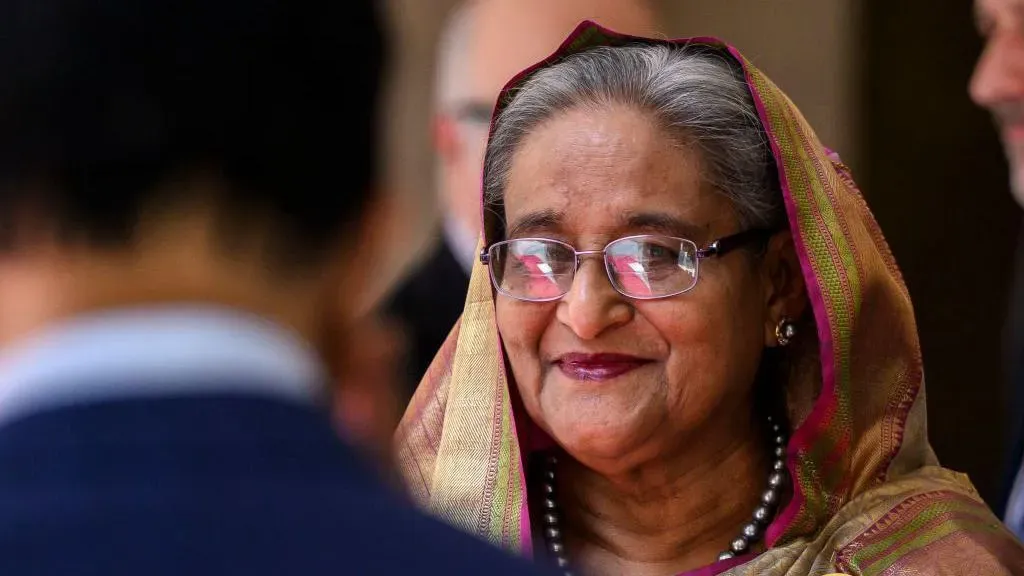
Former Prime Minister of Bangladesh Sheikh Hasina, now living in exile, has adamantly and unequivocally denied any responsibility for crimes against humanity and orchestrating the deadly crackdown on student-led protesters that ultimately led to her resignation in August 2024. In a recent, exclusive interview with the British Broadcasting Corporation (BBC), the former head of government maintained her complete innocence regarding allegations that she personally directed security forces to employ lethal weapons against demonstrators who were demanding governmental and judicial reform. These persistent and severe accusations follow an official United Nations fact-finding report that suggested there are reasonable grounds to believe the widespread and systematic abuse of human rights under her regime may indeed amount to crimes against humanity.
The former leader’s strenuous denial comes as she faces trial in absentia at a special tribunal in Dhaka, which is currently prosecuting her for crimes against humanity, including charges of issuing orders that resulted in mass killings and targeted violence against civilians. The tribunal’s proceedings and the broader national sentiment were heavily influenced by an audio recording, verified by the BBC, in which the then-Prime Minister purportedly authorized security forces to “use lethal weapons” and “shoot” protesters wherever they were found. This leaked audio has been presented by prosecutors as crucial evidence directly implicating Ms. Hasina in the violence that saw at least 52 people killed during a 36-day period of intense unrest and bloodshed across the nation.
While speaking from an undisclosed location in India, where she sought refuge following her dramatic escape from Bangladesh, Ms. Hasina accused her political adversaries, including the current transitional government, of fabricating these charges and using the crisis to dismantle the legacy of her political party, the Awami League. She further asserted that her return to Bangladesh is conditional upon the restoration of what she termed “participatory democracy” and the conduct of genuinely free, fair, and inclusive elections. However, the Attorney General’s office in Dhaka has confirmed its intention to pursue the case vigorously, emphasizing that the former leader’s continued absence will not impede the tribunal’s process to seek justice for the victims of the massive crackdown.