

EU Leaders Hail ‘New Chapter’ After Landslide Defeat of Viktor Orbán
Viktor Orbán defeat 2026 Hungary election Péter Magyar
BUDAPEST — The European Union’s longest-serving democratically elected leader, Viktor Orbán, has officially conceded defeat following a historic landslide victory for the opposition in Hungary’s national elections. On Sunday, April 12, 2026, voters delivered a crushing blow to Orbán’s 16-year rule, granting the centrist Tisza Party, led by former government insider Péter Magyar, a decisive two-thirds supermajority in the National Assembly. With a record-breaking turnout of nearly 80 percent, the highest since the end of communism in 1989, Hungarian citizens decisively opted for a return to a pro-European path.
In an emotional victory address before thousands of supporters along the banks of the Danube, Magyar declared that the nation had “liberated” itself from an era of illiberalism. According to reporting from the University of Cambridge, Orbán admitted the result was “painful but unambiguous,” signaling the end of an administration that had frequently acted as the primary internal obstruction to EU policy.
In Brussels, the response to the election result has been one of jubilant relief as EU institutions prepare for a radical shift in diplomatic relations with Budapest. European Commission President Ursula von der Leyen was among the first to congratulate Magyar, stating that “Hungary has chosen Europe” and that the union “grows stronger” with its return to shared democratic values.
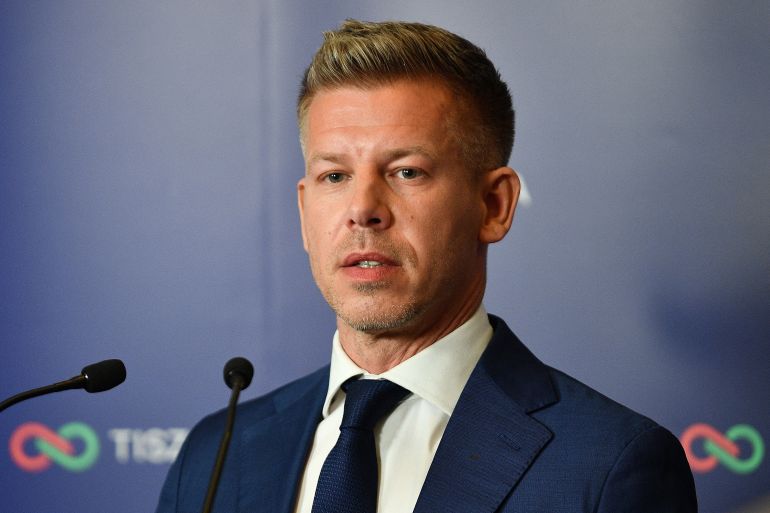
For over a decade, Orbán had utilized his veto power to stall critical initiatives ranging from Ukraine aid to migration reform, often framing his defiance as a defense of national sovereignty against “Brussels bureaucrats.” According to detailed analysis by The Guardian, French President Emmanuel Macron and German Chancellor Friedrich Merz have already held calls with Magyar to discuss restoring the rule of law and unblocking frozen EU funds. The victory is widely viewed as a watershed moment that could simplify the bloc’s decision-making process and strengthen its unified stance against Russian influence in the region.
The defeat of the Fidesz party also represents a major setback for the global far-right movement, which had long championed Orbán as a successful model for “illiberal democracy.” The Hungarian leader had cultivated exceptionally close ties with U.S. President Donald Trump and other populist figures, positioning himself as a key ideological ally in the transatlantic culture wars. During the 2026 campaign, Orbán repeatedly alleged foreign interference, while Magyar focused on domestic grievances such as the decline of the national healthcare system and widespread corruption.
As reported by Northeastern University, experts believe that Magyar’s success—fueled by his intimate knowledge of the Fidesz machinery—provides a blueprint for challenging entrenched populist regimes elsewhere in Europe. The Tisza Party is projected to hold 138 of the 199 seats in parliament, providing Magyar with the legislative power necessary to dismantle many of the constitutional changes implemented by his predecessor.
Looking ahead, the new administration faces the formidable task of rebuilding Hungary’s institutional checks and balances while navigating a deeply polarized electorate. Magyar has pledged to immediately re-establish the independence of the judiciary and the media, which were significantly curtailed under Orbán’s “National System of Cooperation.”
The international community remains watchful as the transfer of power begins, with President Tamás Sulyok confirming that the election was conducted properly and that public confidence in the democratic process remains high. According to updates from Euractiv, Orbán has vowed to serve his nation from the opposition, though the scale of his defeat suggests a period of internal reckoning for the Fidesz party. For the European Union, the result marks the removal of its most persistent internal detractor and the potential for a more cohesive, integrated future for the 27-member bloc.
Click Here for more News.