
Department of Interior Implements Triple National Park Pass Fee for Non-Residents
The Department of the Interior announced a major overhaul of the National Park Service fee structure, instituting a significant disparity between domestic and international visitors under a new “America-first” pricing policy. Beginning January 1, 2026, the cost of the “America the Beautiful” annual pass, which grants access to over 2,000 federal recreation sites, will more than triple for non-residents, jumping from the current eighty dollars to two hundred and fifty dollars. This aggressive fee hike implements an executive order signed by President Donald Trump aimed at ensuring international visitors “contribute their fair share” to the maintenance and upkeep of the nation’s park system.
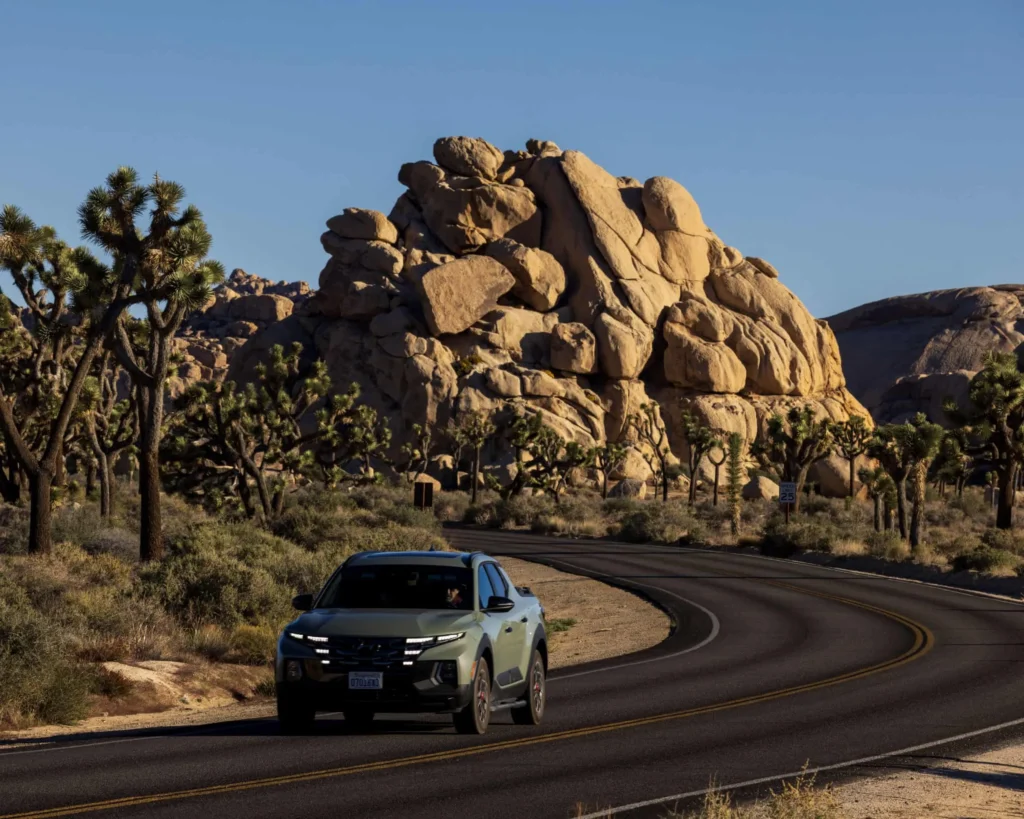
In addition to the drastic increase in the annual pass price, non-residents who opt for daily entrance tickets will face a newly created one-hundred-dollar surcharge when visiting eleven of the country’s most highly frequented parks, including iconic destinations such as the Grand Canyon, Yellowstone, and Yosemite National Parks. This surcharge will be levied on top of the standard entrance fee, though non-residents who purchase the new two-hundred-and-fifty-dollar annual pass will be exempt from this additional one-hundred-dollar per-person daily fee. U.S. citizens and permanent residents, however, will continue to pay the current price of eighty dollars for their annual America the Beautiful pass, reflecting the administration’s stated commitment to making the parks more accessible and affordable for Americans.
Furthermore, the new fee structure also introduces a change for U.S. residents regarding traditionally free entrance days. While the National Park Service announced eight new “patriotic fee-free days” for 2026, these free entry periods will only apply to U.S. citizens and permanent residents, marking a significant change from past policies that offered free entry to all visitors regardless of residency. The revenue generated from these increased international fees is statutorily mandated to remain within the National Park Service system, where officials state it will be invested directly back into addressing the substantial backlog of deferred maintenance and supporting conservation projects across the majestic public lands.