Critics Accuse Supreme Court of “Do-Nothing” Doctrine
Supreme Court Purcell principle critique 2026
A growing chorus of legal scholars and judicial critics is accusing the U.S. Supreme Court of adopting a “do-nothing doctrine,” arguing that the bench is increasingly using the Purcell principle to abdicate its role in protecting democratic processes.
The doctrine, established in 2006, was designed to prevent federal courts from altering election rules shortly before a vote to avoid confusion. However, observers contend that the Court is now selectively applying this rule to permit controversial, often partisan, changes to electoral maps while declining to intervene against potential voting rights violations.
The controversy has intensified following recent developments in states like Louisiana, Texas, and Alabama, where the Court has allowed newly redrawn congressional districts to stand even as primary elections were already underway.
In some instances, these maps have been accused of weakening minority representation. Critics point to this as evidence of a “fickle” judicial approach, noting that while the Court has previously invoked Purcell to block interventions it deemed improper, it has effectively allowed last-minute election upheavals in cases that appear to favor Republican-led redistricting efforts.
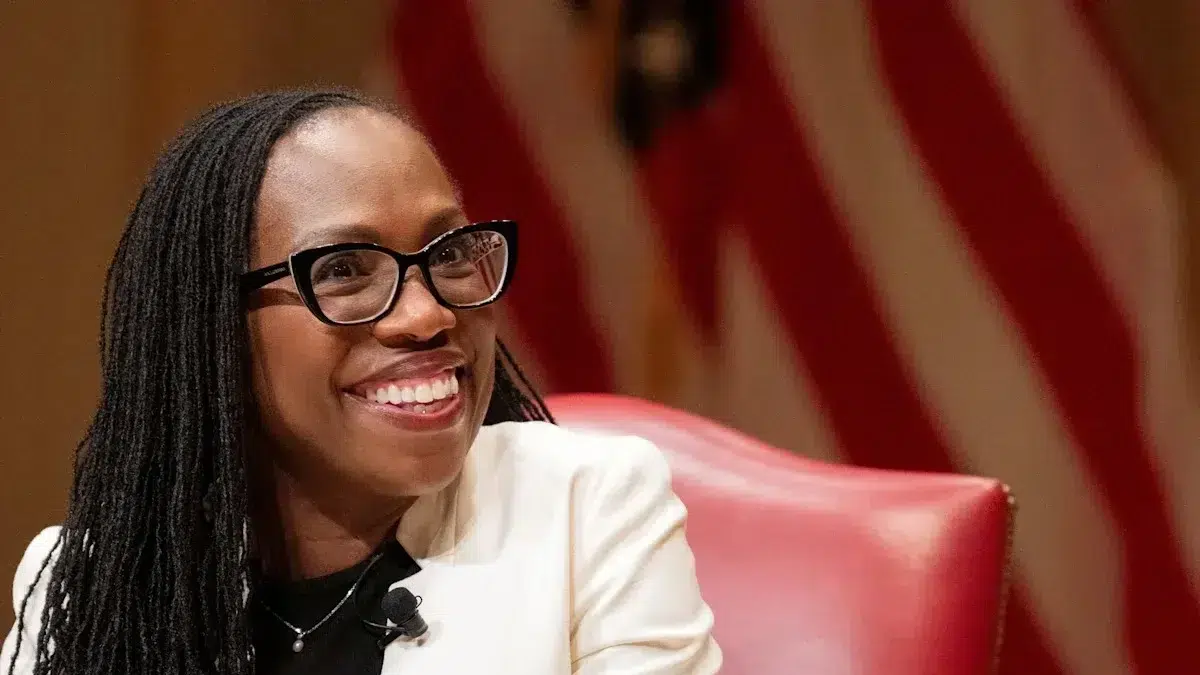
Justice Ketanji Brown Jackson recently highlighted these tensions in a pointed dissent, questioning the consistency of the Court’s emergency orders and its refusal to provide substantive reasoning in key election cases.
Legal experts suggest that by relying on this “shadow docket” of rapid, unexplained decisions, the Court is effectively removing federal oversight from the democratic process. This trend, they argue, provides a green light for state legislatures to enact radical shifts in district boundaries without fear of timely federal judicial review.
Proponents of the Court’s recent actions, however, maintain that the judiciary is simply deferring to the authority of elected state legislatures, emphasizing the importance of judicial restraint in complex local election administration. Despite this, the perception that the Court is prioritizing partisan outcomes over consistent legal interpretation has sparked significant public concern.
As the nation prepares for the upcoming midterm elections, the debate over whether the highest court in the land has become an active participant in reconfiguring the republic—or a passive observer of its erosion—continues to dominate the legal and political landscape.