
Supreme Court Clears Alabama to Use Disputed 2023 Voting Map
Supreme Court Alabama voting map 2026
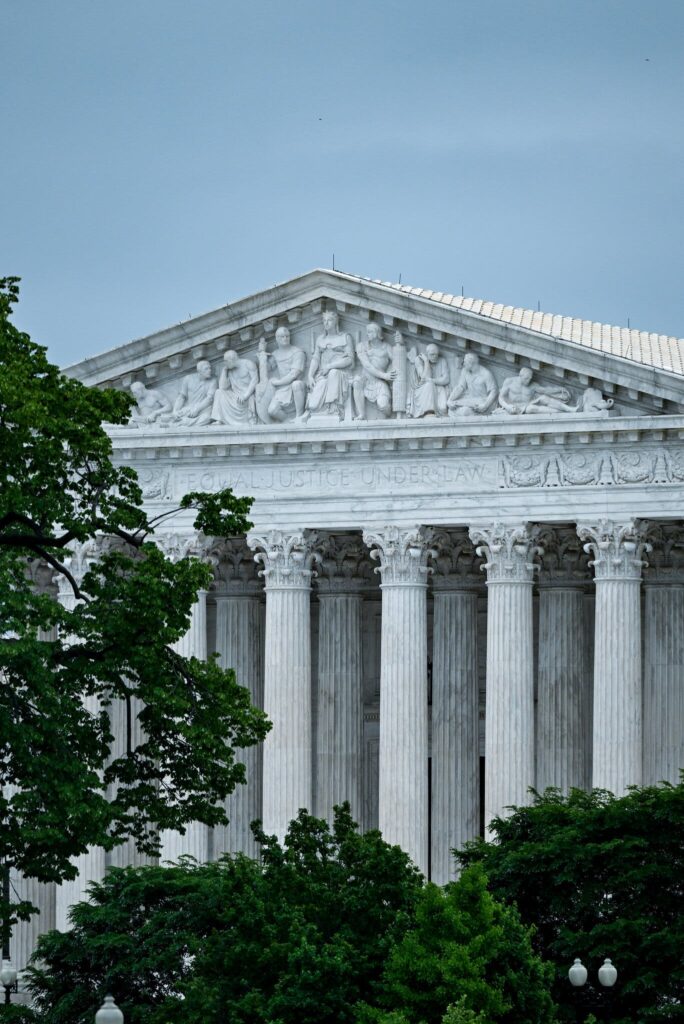
The U.S. Supreme Court issued a significant 6-3 ruling on Monday, May 11, 2026, clearing the way for Alabama to implement a controversial congressional map ahead of the upcoming primary elections.
The decision vacates a previous lower court order that had blocked the state’s 2023 redistricting plan for allegedly diluting the voting power of Black residents.
By setting aside the injunction, the high court’s conservative majority has effectively allowed the state to revert to a map that features only one majority-Black district out of seven, overturning the court-imposed 2024 map that had established a second such district.
This legal shift follows the precedent set by the court’s landmark April ruling in Louisiana v. Callais, which narrowed the scope of the Voting Rights Act by raising the bar for plaintiffs to prove “intentional discrimination” in redistricting cases.
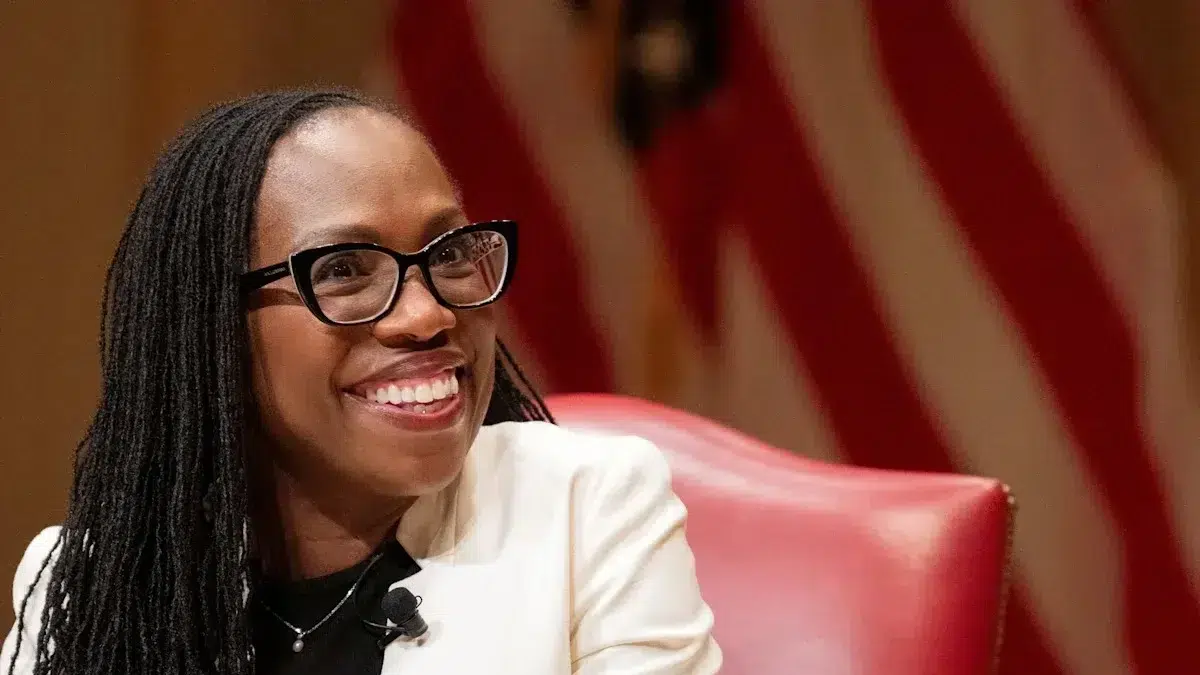
Justice Sonia Sotomayor, joined by Justices Elena Kagan and Ketanji Brown Jackson, authored a sharp dissent, labeling the court’s intervention as “inappropriate” and warning of the logistical chaos it creates for the May 19 primary.
Sotomayor argued that the district court had already found evidence of intentional discrimination, a factor she claimed should remain unaffected by the new legal standards established in the Louisiana case.
Civil rights advocates and Democratic lawmakers, including Representative Shomari Figures, expressed profound disappointment, suggesting the decision undermines decades of progress in minority representation.
The ruling represents a major victory for Alabama Governor Kay Ivey and state Republicans, who have long maintained that the Legislature’s 2023 map adhered to traditional redistricting principles and constitutional requirements.
The immediate impact of the ruling has prompted a flurry of activity in Montgomery, where state officials are working to recalibrate election procedures just days before voters head to the polls.
Alabama Attorney General Steve Marshall praised the Supreme Court’s decision, stating that it restores the state’s rightful authority to determine its own electoral boundaries without “activist” interference.
However, the legal battle is not entirely over, as the Supreme Court remanded the cases to the lower courts for further consideration in light of the updated Section 2 framework.
As the 2026 midterm cycle intensifies, this decision is expected to have a ripple effect across other Southern states currently embroiled in similar redistricting disputes, potentially altering the balance of power in the U.S. House of Representatives for years to come.