
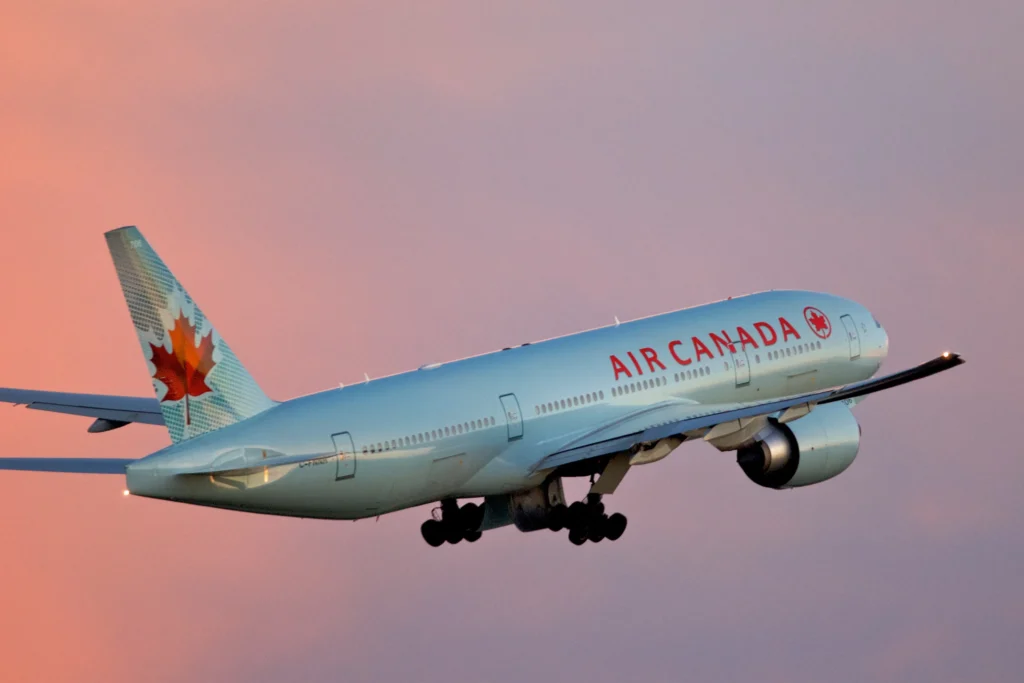
Canada’s federal government has stepped in decisively to end a sudden strike by Air Canada flight attendants, ordering them back to work and mandating binding arbitration to resolve an escalating contract dispute. This move was undertaken by Jobs Minister Patty Hajdu under the authority of the Canada Labour Code and national industrial relations board.
More than 100,000 passengers were stranded when the walkout began, marking the first-ever strike by Air Canada cabin crew since 1985. The strike resulted in the cancellation of nearly 700 flights in a single day. Less than 12 hours after it commenced, the government issued an order for flight attendants to return to duty by mid-afternoon and swiftly referred the matter to arbitration.
Air Canada confirmed that flights would resume on Sunday evening. However, it cautioned that full restoration of service could take several days—possibly up to a week or longer—as the airline works to reinstate its schedule. Passengers were informed that some cancellations may persist during this period.
The dispute centers on compensation—especially for unpaid tasks such as boarding and ground duties. Although the airline had proposed a total compensation increase of 38% over four years, the union rejected it as insufficient in the face of inflation and broader wage disparities. Critics of the government’s intervention, including union leaders, argued that abruptly ending the strike violated workers’ rights and weakened their negotiating leverage. Supporters, meanwhile, emphasized the urgent need to prevent greater economic disruption and protect travelers during the peak season.