

ACLU Attorney Joshua Block Refuses to Define Sex
ACLU Joshua Block SCOTUS Title IX sex definition
Arguments reached a historic impasse at the United States Supreme Court on Tuesday, January 13, 2026, as justices grappled with the legal definition of “sex” in a pair of landmark cases involving transgender athletes. Joshua Block, a senior attorney for the American Civil Liberties Union (ACLU) representing 15-year-old West Virginia student Becky Pepper-Jackson, sparked intense debate by suggesting that the Court should not adopt a singular, rigid definition of sex to resolve the dispute. The cases, West Virginia v. B.P.J. and Little v. Hecox, challenge state laws that require student-athletes to compete on teams based on their biological sex assigned at birth. Block contended that “sex” is a complex term encompassing a range of characteristics and that focusing solely on birth anatomy ignores the lived reality and medical transitions of transgender individuals. His refusal to provide a specific statutory definition during questioning drew sharp criticism from the Court’s conservative wing and from opposing counsel.
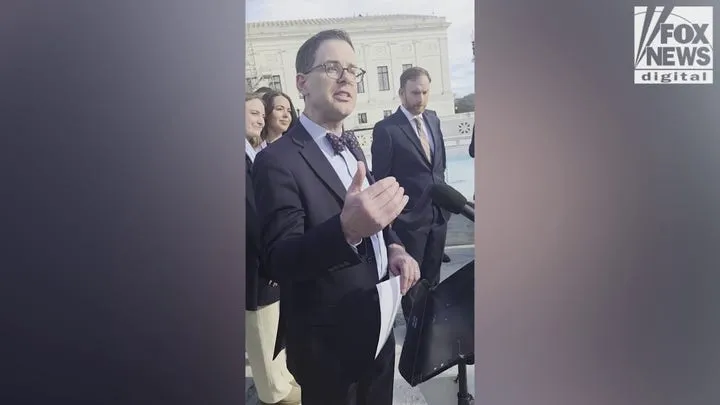
Justice Samuel Alito pressed Block repeatedly on the matter, noting that Title IX is a federal statute that must have a discernible meaning to be enforced fairly. Alito questioned how the Court could determine if discrimination “on the basis of sex” occurred without first defining what the word “sex” signifies—whether it be biological sex, gender identity, or a shifting social construct. Block responded by stating that there are a “whole range of sex-based characteristics” that can give rise to discrimination and that a person’s gender identity is inseparable from the legal protections afforded under the 1972 civil rights law. This line of reasoning aligns with the 2020 Bostock decision, which held that firing someone for being transgender is inherently a form of sex discrimination, though the current conservative majority appeared skeptical that this logic extends to the separation of athletic teams where biological differences are a primary factor.
The tension surrounding the definition of sex was further amplified by the presence of Trump administration officials, who have formally sided with the states of West Virginia and Idaho. Principal Deputy U.S. Solicitor General Hashim Mooppan argued that Title IX has always been understood to refer to biological sex, and that providing “special accommodations” for gender identity would actually undermine the law’s original intent to protect opportunities for biological females. Outside the courtroom, John Bursch of the Alliance Defending Freedom, representing the states, described Block’s refusal to define sex as “completely bizarre,” arguing that a law cannot function if its most fundamental terms remain undefined. Meanwhile, supporters of the transgender athletes gathered on the Supreme Court steps, arguing that any definition excluding gender identity is a form of state-sanctioned erasure.
As the oral arguments concluded after more than three hours, the Supreme Court appeared likely to uphold the state-level bans, with several justices expressing concern that a broad ruling in favor of the athletes could jeopardize the “enduring structure” of sex-separated sports. Chief Justice John Roberts and Justice Neil Gorsuch, who both joined the majority in Bostock, signaled that the context of athletics may require a different interpretation than employment law. A final decision on whether “sex” under Title IX includes gender identity is expected by June 2026. The ruling will have profound implications for educational institutions across the country, potentially redefining the landscape of civil rights protections for a generation of students.