
Anti-US Protesters in Tehran Warn Trump with ‘No Error’ Signs
Tehran rally Trump no error photos 2026
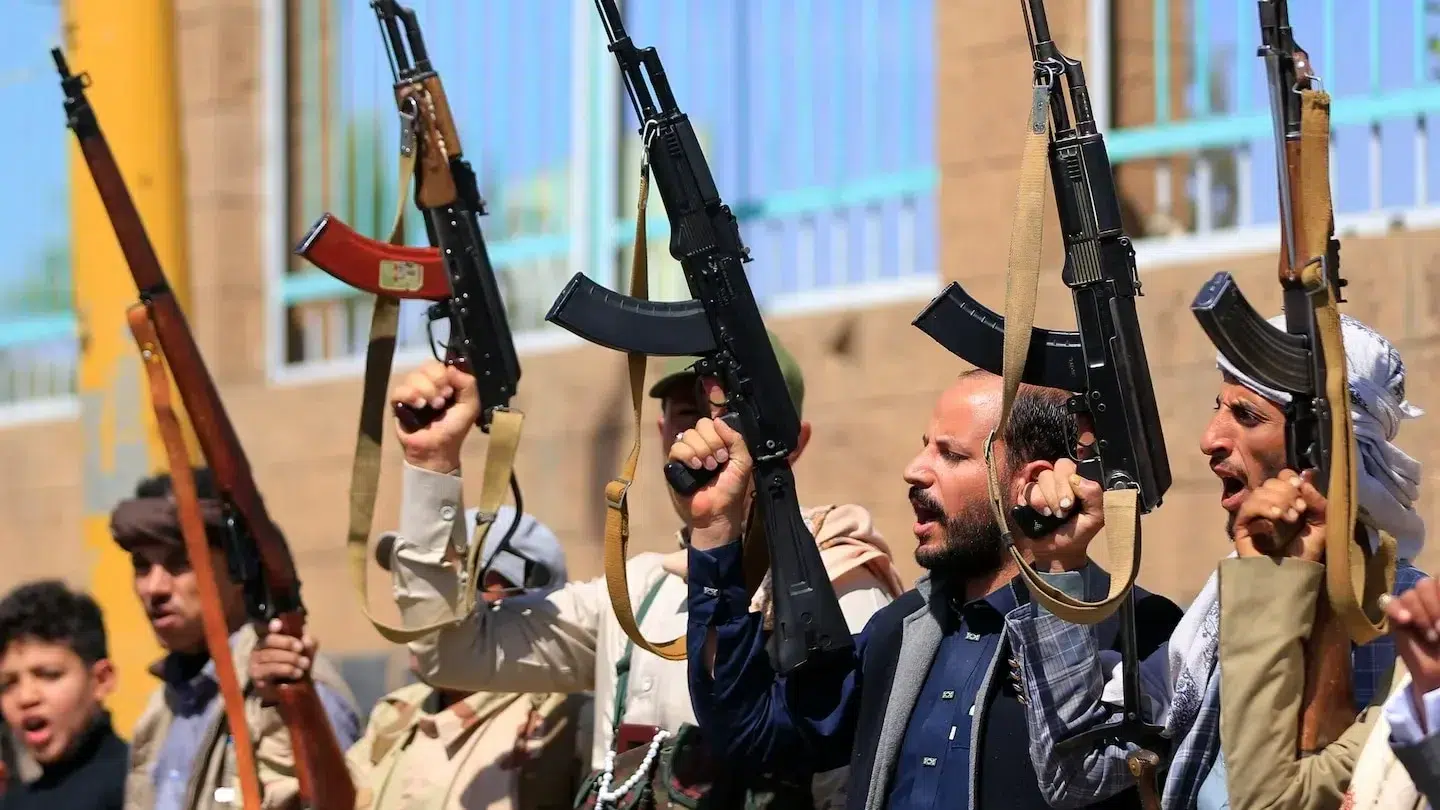
Tensions between Washington and Tehran reached a fever pitch on Monday, January 12, 2026, as thousands of pro-government demonstrators gathered in Tehran’s Enqelab Square to denounce what they described as American and Israeli interference in Iran’s internal affairs. During the state-organized rally, participants prominently displayed posters of United States President Donald Trump overlaid with Arabic text that translates to, “This time there will be no error.” Another version of the image featured a caption referring to the 2024 assassination attempt against Trump, stating, “This time it will not miss the target.” These ominous displays serve as a direct response to the President’s recent social media activity, in which he urged “Iranian Patriots” to take over their institutions and promised that “help is on its way” as the country grapples with its most significant wave of civil unrest since the 1979 Revolution.
The rally, which featured effigies of American and Israeli leaders, was heavily promoted by state-run media as a show of national unity against “foreign-backed sedition.” Parliament Speaker Mohammad Baqer Qalibaf addressed the crowd, framing the current unrest as a “war on four fronts”—economic, psychological, military, and a struggle against terrorism. The “no error” signage is interpreted by regional analysts as a calculated threat from hardline elements within the Islamic Revolutionary Guard Corps (IRGC), signaling that any perceived U.S. military intervention or covert support for protesters will be met with a lethal and precise retaliatory strike. This rhetoric comes just weeks after the Trump administration successfully removed Nicolás Maduro from power in Venezuela, a move that has left the Iranian clerical establishment deeply concerned that Tehran is the next target for a U.S.-led regime change operation.
In Washington, the White House has maintained a combative stance, with President Trump canceling all diplomatic meetings with Iranian officials until the “senseless killing” of demonstrators stops. Human rights organizations have reported that the death toll from the January 2026 crackdown has surpassed 2,000 people, with thousands more detained in what activists describe as a “blackout-covered massacre.” Despite the threats displayed in Tehran, the President has continued to apply economic pressure, recently announcing 25% import tariffs on any country doing business with Iran. The administration has also signaled that military options remain “locked and loaded” should the Iranian government begin executing those arrested during the protests. The presence of the National Guard within U.S. borders has also been cited by Iranian officials as a “hypocritical” backdrop to Trump’s calls for “humanity” in Iran.
The international community remains on high alert as the war of words escalates into physical displays of hostility. While Tehran has officially stated that it remains open to some communication channels, the imagery from the Enqelab Square rally suggests a leadership that is digging in for a long and potentially violent confrontation. The “This time there will be no error” posters have circulated widely on social media, sparking debate over whether they represent a legitimate security threat or a desperate piece of psychological warfare aimed at deterring American involvement. As both nations continue to mass military assets in the region, the likelihood of a miscalculation grows, with the 2026 January protests serving as the most dangerous flashpoint in the decades-long rivalry between the two powers.