

HUD Probes Minneapolis Over Race-Based Housing Priorities
HUD Minneapolis housing civil rights probe 2026
The U.S. Department of Housing and Urban Development (HUD) has launched a formal civil rights investigation into the city of Minneapolis, alleging that its municipal housing policies illegally prioritize resources based on race and national origin. The probe, confirmed on Thursday, January 15, 2026, follows a series of federal audits and complaints suggesting that the city’s recent “equity-first” housing initiatives violate the Fair Housing Act and Title VI of the Civil Rights Act. According to federal officials, the investigation will focus on specific programs that allegedly utilize racial quotas or preferential “weighting” systems for the distribution of affordable housing grants and rental assistance. The Trump administration has characterized these local policies as a form of “reverse discrimination” that excludes eligible residents based on their racial background, marking a significant escalation in the ongoing legal confrontation between federal authorities and the leadership of Minnesota’s largest city.
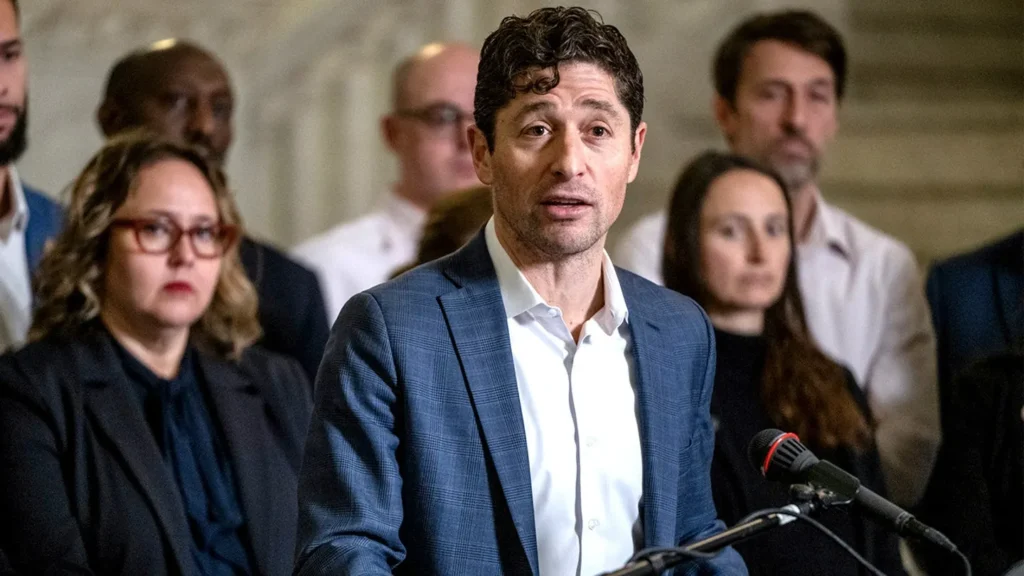
The federal inquiry centers on several controversial programs implemented by the Minneapolis City Council aimed at closing the racial homeownership gap, which remains among the widest in the nation. HUD investigators are reportedly scrutinizing the “Minneapolis Homes” program and other down-payment assistance initiatives that critics claim have shifted from being income-based to being explicitly identity-based. Administration officials argue that while the intent of such programs may be to address historical disparities, the execution has resulted in a system that “picks winners and losers” based on immutable characteristics. This probe is part of a broader national effort by HUD and the Department of Justice to dismantle “disparate impact” rules and state-level equity mandates, which the administration views as inconsistent with a meritocratic interpretation of federal civil rights law.
Minneapolis city leaders, including Mayor Jacob Frey, have condemned the investigation as a “politically motivated attack” designed to intimidate cities pursuing progressive social goals. Local officials contend that their housing priorities are essential for dismantling decades of systemic segregation and redlining that have disproportionately impacted Black and Indigenous communities in the Twin Cities. The city has vowed to cooperate with the investigation but maintains that its policies are legally sound and necessary for the long-term stability of the community. However, the probe coincides with a period of intense federal-state friction, as Minneapolis is currently under a “federal surge” of nearly 2,000 agents following the fatal ICE shooting of Renee Nicole Good. The administration’s focus on Minneapolis housing is seen by many local activists as another front in a wider campaign to exert federal control over the city’s internal governance.
The outcome of the HUD investigation could have far-reaching implications for urban housing policy across the United States. If the federal government determines that Minneapolis’s race-based priorities are discriminatory, the city could face the loss of millions of dollars in Community Development Block Grants (CDBG) and other vital federal funding. Legal experts suggest that the case may eventually reach the Supreme Court, providing a definitive ruling on whether local governments can explicitly use race as a factor in the allocation of public resources. As the investigation proceeds, the clash between the federal government’s “colorblind” legal mandate and the city’s “equity-driven” mission is expected to further polarize the national debate over fair housing and the limits of local authority.