
Khamenei Accuses Protesters of Ruining Streets to Please Trump
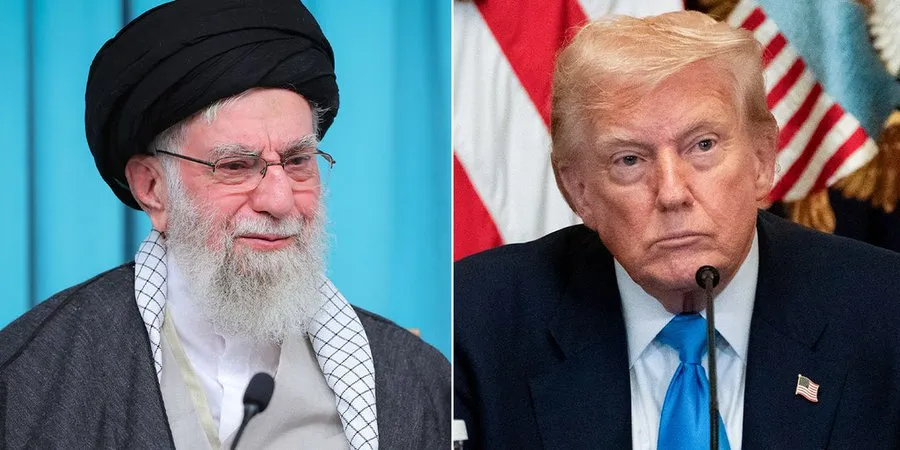
Iranian Supreme Leader Ayatollah Ali Khamenei delivered a defiant address on Friday, January 9, 2026, accusing nationwide protesters of “ruining their own streets” to satisfy the political agenda of United States President Donald Trump. Speaking to a crowd in Tehran amidst the most significant challenge to the clerical establishment in years, the 86-year-old leader dismissed the demonstrators as “mercenaries” and “vandals” who are damaging the infrastructure of their own country at the behest of foreign powers. Khamenei’s remarks, which were broadcast on state television, directly linked the escalating domestic unrest to the “arrogance” of the Trump administration, comparing the American president to historical tyrants who were eventually overthrown. The Supreme Leader signaled that the government would not retreat in the face of what he described as foreign-backed “sabotage,” setting the stage for an even more aggressive crackdown by security forces as the country remains under a total communications blackout.
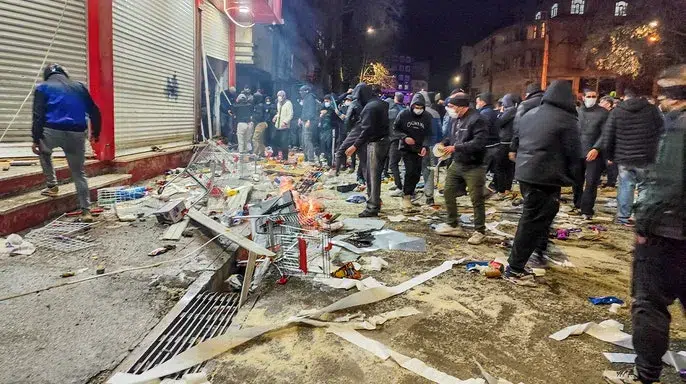
The speech coincided with the 13th day of protests that have now spread to all 31 provinces of Iran, fueled by a collapsing currency and deep-seated frustration over the economic fallout from recent conflicts. Khamenei specifically targeted the protesters’ destruction of public property, claiming that rioters set fire to buses, metro stations, and government buildings “just to make the president of another country happy.” He also issued a direct warning to President Trump, telling him to focus on the myriad of problems within the United States rather than interfering in Iranian internal affairs. This rhetorical escalation follows the President’s recent social media posts stating that the U.S. is “locked and loaded” and ready to intervene if the Iranian regime uses lethal force against peaceful demonstrators. The Supreme Leader’s defiant tone suggests that the regime views the current unrest as an existential threat orchestrated by Washington and its regional allies, including Israel and the exiled Crown Prince Reza Pahlavi.
International human rights organizations have reported a grim reality on the ground that contradicts the state’s air of controlled normality. According to verified reports, at least 42 people have been killed and over 2,270 have been detained since the demonstrations began on December 28. Despite the government’s efforts to isolate the population through a sweeping internet and landline shutdown, activists have managed to share footage of large crowds chanting “Death to the dictator” and calling for a return to pre-revolutionary governance. Exiled leader Reza Pahlavi has urged the Iranian people to continue overwhelming security forces with their sheer numbers, while simultaneously calling on the Trump administration to provide technical and financial assistance to restore communication lines. In response, Iran’s judiciary chief has vowed that punishment for those captured during the “riots” will be “decisive and maximum,” with no legal leniency afforded to those labeled as foreign agents.
The standoff between Tehran and Washington has reached its most precarious point since the 12-day military conflict in June 2025. President Trump has frequently cited his administration’s willingness to use force, referencing “Operation Midnight Hammer” and “Operation Absolute Resolve” as evidence of his commitment to protecting the Iranian people from their own government. During a recent Fox News interview, the President even suggested that Khamenei might be looking for a place to flee as the domestic situation deteriorates. As world leaders from the UK, France, and Germany urge the Islamic Republic to exercise restraint and uphold the fundamental rights of its citizens, the Iranian leadership appears to be doubling down on a strategy of isolation and repression. With more protests scheduled for the coming weekend, the international community remains on high alert for a potential large-scale military or humanitarian intervention in the heart of the Middle East.