
US Touts Ukraine Peace Progress as Negotiators Face Critical Hurdles on Territory and NATO Membership
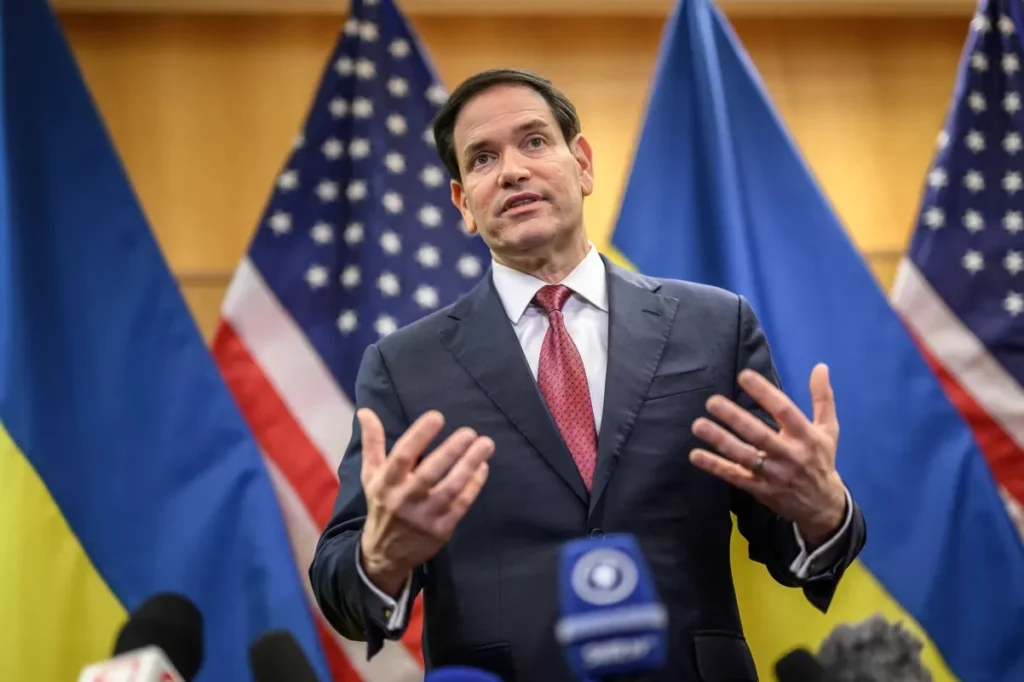
Despite optimistic public statements from the White House regarding the expedited negotiations to end the war in Ukraine, diplomatic sources involved in the recent high-level talks confirm that significant, fundamental obstacles continue to block a comprehensive peace deal. Following intense weekend discussions in Geneva and subsequent direct engagements between United States Army Secretary Dan Driscoll and Russian envoys in Abu Dhabi, senior U.S. officials, including Secretary of State Marco Rubio, described the process as having made “tremendous progress.” They asserted that remaining disagreements were merely “minor details” and “not insurmountable,” suggesting a final agreement was quickly approaching.
However, sources close to the Ukrainian delegation and European allies have painted a more complex picture, detailing several core issues that remain politically toxic and unresolved. Chief among these is Russia’s unwavering demand for Ukraine to formally cede more territory, including portions of the eastern Donbas region that Russian forces have yet to capture on the battlefield. Ukrainian officials have emphatically stated that questions of territorial integrity can only be resolved by President Volodymyr Zelenskyy and remain politically unacceptable to Kyiv. Furthermore, the future status of Ukraine’s military and its aspirations to join the North Atlantic Treaty Organization, or NATO, continue to be major sticking points, with Ukraine refusing to accept any permanent bar on joining the alliance, a primary demand from Moscow that the revised framework attempts to address.
The diplomatic push is operating under an aggressive timeline set by President Donald Trump, who initially urged a response to the peace framework by the Thanksgiving holiday, though officials have acknowledged the deadline remains flexible. The original 28-point US-drafted proposal, widely seen by allies as heavily favoring Moscow, was substantially revised in Geneva with Ukrainian input, reportedly reducing the framework to nineteen points and removing some of Russia’s maximalist demands. Russian Foreign Minister Sergey Lavrov, while welcoming the US initiative, publicly warned that Moscow would reject any subsequent revisions to the plan that deviate significantly from the “spirit and letter” of understandings previously reached between President Trump and President Vladimir Putin in Alaska. This stern caution highlights the precarious nature of the negotiations and the strong likelihood that Moscow will push back against the concessions made to Ukraine in the latest draft.