
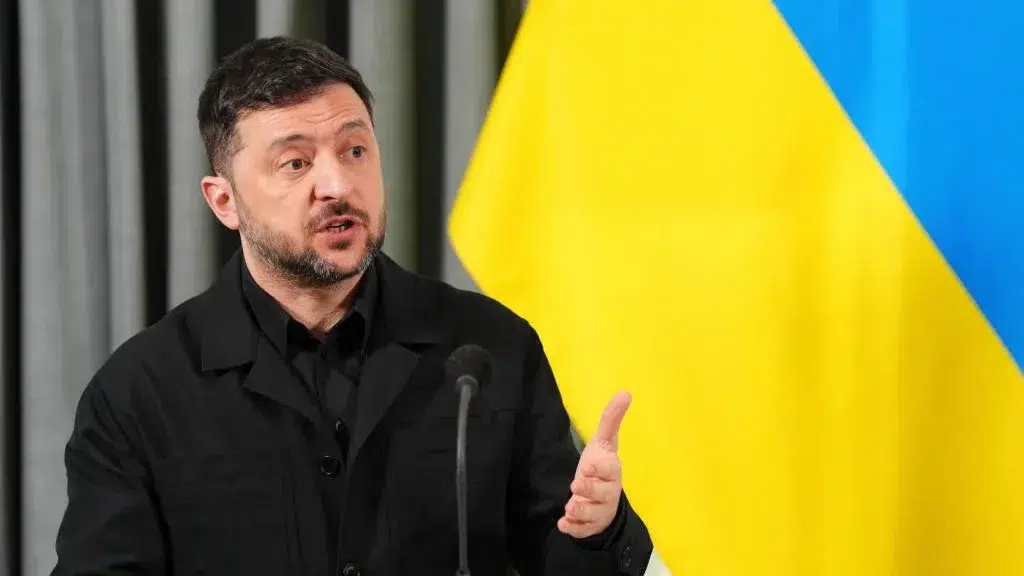
Zelensky: Ukraine Expects U.S. to ‘Tighten Screws’ on Moscow if Peace Plan Fails
Ukrainian President Volodymyr Zelensky signaled a high-stakes turning point in diplomatic efforts to end the war, stating on Tuesday, December 16, 2025, that he expects the Trump administration to significantly increase pressure on Russia should the Kremlin reject the latest peace proposals. Speaking to reporters following a crucial round of negotiations in Berlin, Zelensky emphasized that while Kyiv is being “constructive,” the burden of peace now rests with Vladimir Putin.
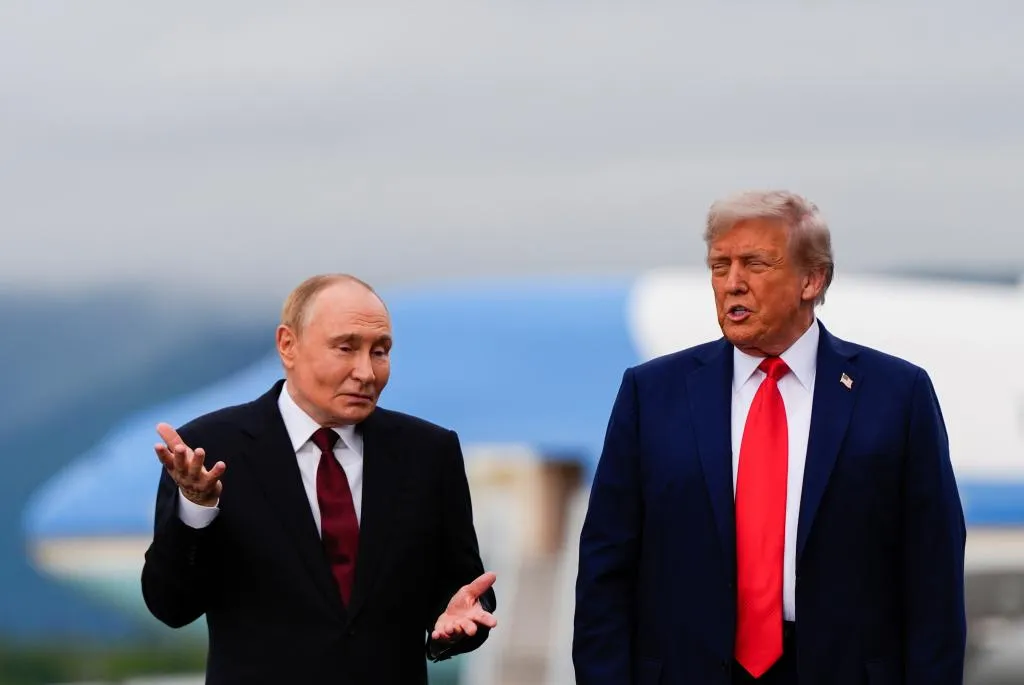
Zelensky warned that if the Russian leader rejects the “very workable” framework currently being finalized with U.S. and European officials, Ukraine expects a decisive shift from Washington. Specifically, the Ukrainian leader noted that “tightening the screws” would involve a two-pronged escalation: more aggressive international sanctions to further cripple the Russian economy and expanded military assistance, including advanced air defense systems and the long-range weapons Kyiv has long sought to strike deeper into Russian territory.
The “90% Ready” Peace Framework
The optimism follows a period of intense friction between the White House and Kyiv. After initial tension regarding a “28-point” draft that many in Ukraine viewed as overly favorable to Moscow, recent talks in Paris and Berlin have refined the proposal into a 19-point framework. U.S. officials now indicate there is 90% consensus between the U.S., Ukraine, and European partners on the deal.
Key elements discussed in the current framework include:
- Security Guarantees: A “multinational and multi-domain force” led by Europeans to secure Ukraine by land, sea, and air, with the U.S. leading a ceasefire monitoring mechanism.
- The “Land Issue”: Zelensky remains firm that Kyiv will not formally recognize Russian control over occupied territories, though the U.S. has proposed “free economic zones” as a potential compromise in the Donbas.
- NATO Status: Reports suggest Ukraine may be open to a moratorium on NATO membership in exchange for “Article 5-like” security guarantees from Western allies.
Moscow’s Skepticism
The Kremlin’s response remains the primary obstacle. Spokesman Dmitry Peskov reiterated Tuesday that Russia is not interested in a “temporary truce” and wants its “interests and security” formally recognized. President Trump, however, remains bullish on the prospects, stating earlier this week, “I think we’re closer now than we have been, ever” to a settlement.
Zelensky’s comments serve as both a diplomatic olive branch to the Trump administration—aligning with the President’s “dealmaker” persona—and a warning to Moscow. By framing a Russian rejection as a slight against a U.S.-authored plan, Zelensky is positioning the U.S. to take a harder line against Putin if the “Grand Bargain” fails to materialize by the end of the year.