
WHO Intensifies Gaza Vaccination Drive, Targeting 44,000 Children Under Ceasefire
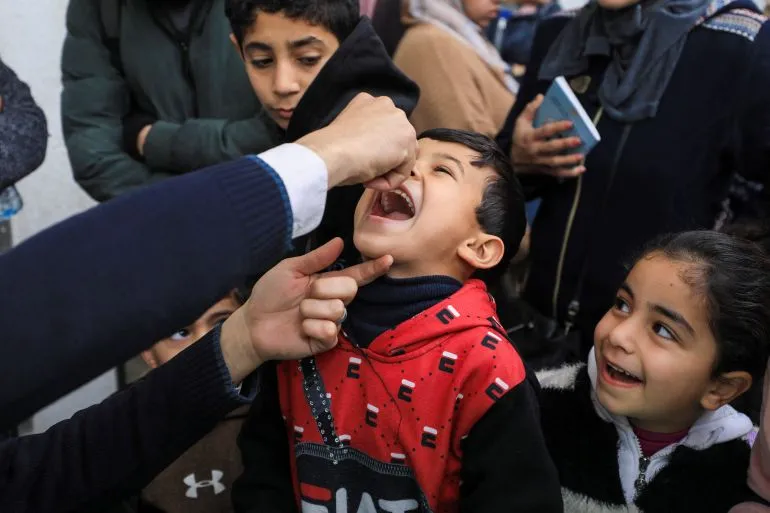
The World Health Organization (WHO) and its partners are intensifying a vital catch-up immunization campaign in the Gaza Strip during the ongoing ceasefire, aiming to vaccinate over 40,000 children who missed essential doses due to the protracted conflict. The multi-phase effort is protecting young children against a wide spectrum of deadly diseases, including measles, polio, and tuberculosis.
The World Health Organization (WHO), in collaboration with UNICEF, the UN agency for Palestinian refugees (UNRWA), and the Gaza Ministry of Health, has launched a critical catch-up immunization campaign to protect tens of thousands of children in the Gaza Strip. The campaign targets approximately 44,000 children under the age of three who are either “zero-dose” or have missed routine vaccinations due to two years of devastating conflict and the subsequent breakdown of the health system infrastructure. This extensive effort aims to leverage the current ceasefire to prevent outbreaks of highly contagious, vaccine-preventable diseases.
The comprehensive vaccination drive is being implemented in three planned rounds, with the first phase successfully launched on November 9, already reaching over 10,000 young children in its initial eight days. WHO Director-General Tedros Adhanom Ghebreyesus confirmed that the first phase has been extended and is focused on administering vaccines that protect against a wide range of diseases, including measles, mumps, rubella, diphtheria, tetanus, whooping cough, hepatitis B, tuberculosis, polio, rotavirus, and pneumonia. The subsequent phases of the campaign are scheduled for December and January, ensuring that children receive the necessary second and third doses to achieve full protection.
Prior to the conflict, the Gaza Strip maintained a world-leading vaccination coverage rate of nearly ninety-eight percent, successfully eradicating polio for 25 years. However, the destruction of health facilities and disruptions to cold-chain storage have severely reduced routine vaccination coverage to below seventy percent, raising the specter of serious outbreaks. Beyond administering the vaccines through over 150 health facilities and community outreach teams, the integrated campaign also includes vital nutrition screening to address the high levels of malnutrition exacerbated by the humanitarian crisis. The UN partners have emphasized that the massive campaign is a “moral imperative” to safeguard the future of children born into the catastrophe and begin the immense challenge of rebuilding the devastated health system.