
Trump Vows to ‘Free’ Ships Trapped in Persian Gulf Blockade
Trump Strait of Hormuz blockade Persian Gulf ships 2026
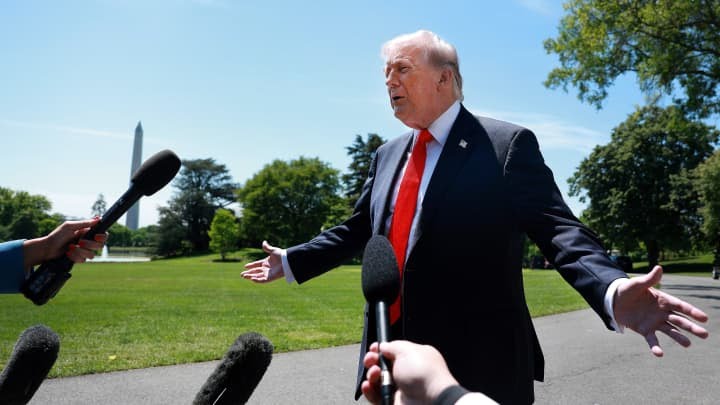
President Donald Trump declared on Sunday evening, May 3, 2026, that the United States military is prepared to “free” dozens of international commercial vessels currently trapped within the Persian Gulf due to the Iranian-led blockade of the Strait of Hormuz.
Speaking to a group of reporters before departing for a rally in Georgia, the President emphasized that the continued detention of global shipping assets is “unacceptable” and that the U.S. Navy, in coordination with regional allies, has developed a comprehensive plan to escort these ships through the strategic chokepoint.
The statement follows a tense 48 hours in which a single ADNOC LNG tanker successfully broke the blockade, a move the President characterized as a “green light” for further action. According to official reports from Reuters, the administration is weighing the use of “defensive bubbles” to protect tankers from potential Iranian drone and fast-attack boat interference.
The President’s vow to liberate the trapped fleet marks a significant escalation in rhetoric just as Pakistan-mediated peace talks appeared to be gaining momentum. While Tehran’s 14-point proposal, submitted earlier today, suggested a new security framework for the strait, the U.S. administration has signaled that it will not wait for a formal treaty to restore the freedom of navigation.
Defense Secretary Pete Hegseth reportedly briefed the President on “Operation Safe Passage,” a proposed maritime corridor that would utilize Aegis-equipped destroyers to provide air and surface cover for tankers exiting the Gulf. The Wall Street Journal noted that there are currently an estimated 42 tankers—including vessels from Japan, South Korea, and several European nations—anchored in neutral waters awaiting a safe window to transit.
The announcement has sent ripples through global energy markets, with Brent crude futures showing high volatility as traders weigh the risks of a direct naval confrontation against the potential for restored supply. Critics of the administration, including members of the “No Kings” protest movement that saw millions march across the U.S. on Saturday, have warned that a forced breakout could trigger a broader regional conflagration.
However, as reported by Fox News, the White House remains steadfast, with National Security Advisor Robert O’Brien stating that the U.S. “will not allow the global economy to be choked by illegal blockades.” As the U.S. Fifth Fleet increases its presence near the Musandam Peninsula, the world remains on high alert for what could be the most dangerous maritime operation of the 21st century.