
Iran Reasserts Hormuz Control as US Maintains Naval Blockade
Iran reasserts control Strait of Hormuz
The Iranian military command has officially announced it is reasserting strict control over the Strait of Hormuz just twenty-four hours after declaring the strategic waterway open to commercial traffic. This sudden reversal follows a firm statement from President Donald Trump confirming that the United States naval blockade of Iranian ports will remain in full force despite the current regional ceasefire. The Khatam Al-Anbiya Central Headquarters, which oversees Iranian military operations, issued a directive stating that the passage has reverted to its previous state of high-alert military management.
Iranian officials characterized the continued American blockade as an act of maritime piracy and a violation of international law. This escalation has immediately dampened hopes for a swift resolution to the maritime standoff that has disrupted global energy markets for weeks. You can follow the live updates on the Iranian military’s decision to restrict the strait through our verified conflict tracker.
The tension intensified on Friday evening when President Trump used social media to clarify that Operation Epic Fury would continue until a comprehensive deal is reached. While the President initially praised the opening of the strait, he emphasized that the U.S. Navy will continue to intercept any vessels transporting Iranian petroleum or prohibited materials. Trump noted that while negotiations in Islamabad have shown some promise, he will not lift the economic pressure until Tehran provides written guarantees regarding its nuclear program.
The White House maintains that the blockade is a necessary tool to ensure national security and to prevent the further enrichment of uranium. Iranian Parliament Speaker Mohammad Bagher Ghalibaf responded by warning that the waterway would not remain open if the U.S. continues to choke the Iranian economy. For a full breakdown of President Trump’s stance on the continued naval blockade, please visit our diplomatic records archive.
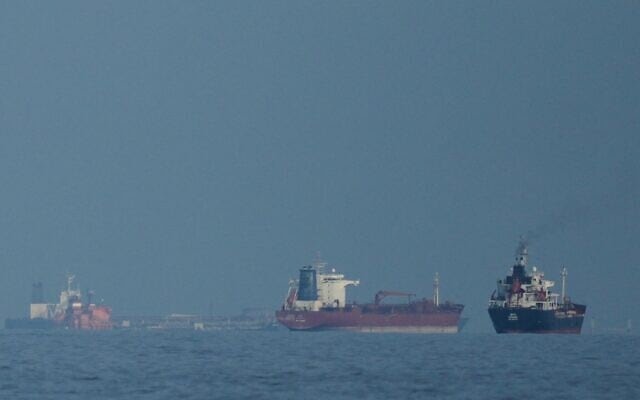
Global shipping companies have reacted to the conflicting reports with extreme caution as several tankers reportedly turned back from the entrance of the Gulf on Saturday morning. The International Maritime Organization has requested urgent clarification from both Washington and Tehran regarding the safety of commercial transit through the region. Tracking data indicates that maritime traffic remains at a near standstill as insurance providers struggle to assess the risk of vessel seizures or kinetic military strikes.
Energy analysts warn that this renewed uncertainty could cause a sharp rebound in crude oil prices which had briefly dipped on Friday. The diplomatic stalemate continues to threaten the stability of the ten-day ceasefire as both nations maintain a fingers-on-the-trigger posture in the Persian Gulf. Additional details regarding the impact of the Hormuz reversal on global shipping and trade are available through our real-time economic monitoring service.