
Trump Undecided on Taiwan Arms Deal After Xi Jinping Summit
Trump Taiwan arms deal Xi
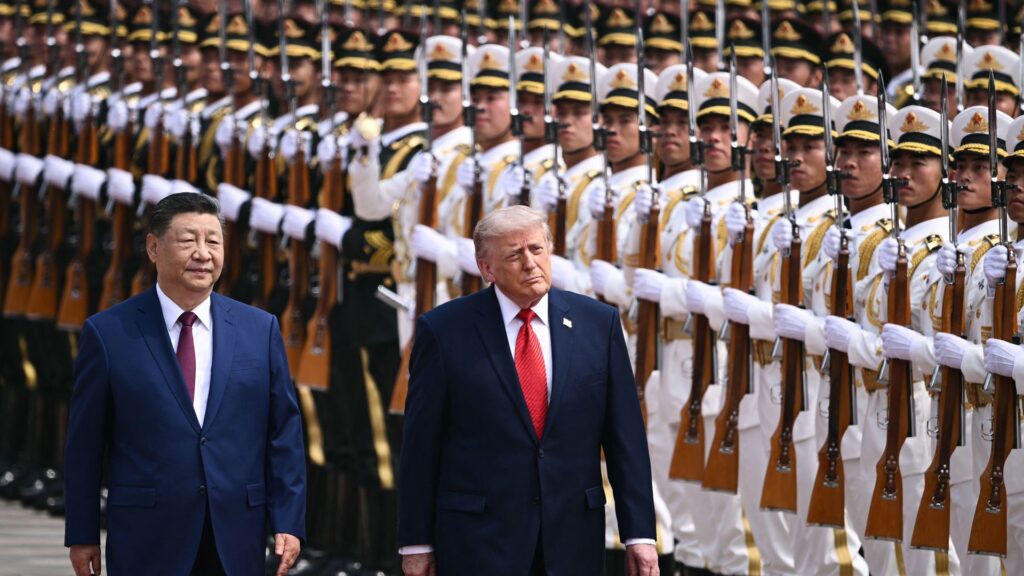
President Donald Trump revealed on Friday, May 15, 2026, that he remains undecided on whether to approve a massive $14 billion weapons sale to Taipei. Speaking to reporters aboard Air Force One following a two-day superpower summit in Beijing, Trump stated he has made no firm commitment to Chinese President Xi Jinping regarding the future of the transfer.
The weapon package includes advanced Patriot missile interceptors and surface-to-air systems. Congress previously authorized this package earlier this year, but the administration paused formal notification to avoid disrupting the high-stakes diplomatic visit. Trump noted that he will make a final Taiwan arms sale determination over a fairly short period after consulting directly with leadership in Taiwan.
The decision to discuss the weapon exports in great detail with Beijing represents a significant departure from decades of American foreign policy precedent. Traditionally, the United States adheres to guidelines that forbid consulting with China on arms sales to Taiwan.
Xi Jinping used the summit to deliver a stern warning to the American delegation, stating that the Taiwan issue is the most critical red line in bilateral relations and any mishandling could provoke conflict. Trump acknowledged the warning but noted that he chose to hear the Chinese leader out without making any immediate comments or policy concessions during their closed-door sessions.
While the strategic future of Taiwan remains uncertain, the summit yielded several high-profile economic announcements designed to stabilize ties between the two global powers. Trump announced that China has agreed to purchase 200 Boeing aircraft, with a potential commitment to expand the order up to 750 jets in the coming years.
Beijing also committed to purchasing billions of dollars in American soybeans as part of reciprocal tariff reductions negotiated by corporate executives who accompanied the president, including Tesla’s Elon Musk and Apple’s Tim Cook. The leaders also addressed global security matters, with the United States pressing China to leverage its influence to help reopen the Strait of Hormuz amid ongoing regional tensions.