
Taiwan Opposition Leader Calls for Reconciliation After Meeting Xi
Taiwan Opposition Leader Meeting Xi Jinping
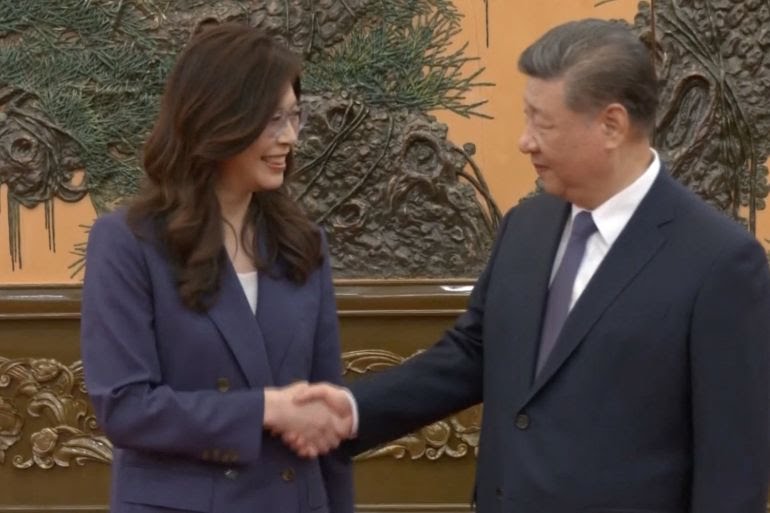
Taiwanese opposition leader Ma Ying-jeou met with Chinese President Xi Jinping in Beijing on Friday to advocate for a new era of cross-strait reconciliation. This landmark meeting took place at the Great Hall of the People and signifies a major shift in diplomatic efforts between the two sides. Ma emphasized that peace is the only viable option for the future and urged both parties to prioritize stability over confrontation.
The former president noted that the shared heritage of the people across the Taiwan Strait provides a solid foundation for mutual understanding. He called for a reduction in military activity to foster a more conducive environment for political dialogue. This visit marks a significant moment in regional politics as tensions have remained high over the past several years. For further context on these ongoing discussions, readers can review our latest report on Cross-Strait Diplomatic Frameworks.
President Xi Jinping welcomed the opposition leader and reiterated that residents on both sides of the strait belong to one Chinese nation. He expressed support for increased cultural exchanges and economic cooperation to bridge the existing divide. Xi stated that peaceful development is in the best interest of all parties involved and warned against external interference. The Chinese leader highlighted that the rejuvenation of the nation requires a joint effort from both Taiwan and the mainland.
During the discussions, both leaders touched upon the importance of the 1992 Consensus as a basis for ongoing engagement. This meeting is seen by many analysts as a strategic move to de-escalate recent friction and provide a counter-narrative to the current ruling party’s stance. You may also be interested in our deep dive into China’s Regional Foreign Policy.
In Taipei, the response to the meeting has been sharply divided along party lines. The ruling Democratic Progressive Party raised concerns about the timing and nature of the talks in Beijing. Government officials cautioned that any agreements made without official mandate could undermine the sovereignty of the island. Conversely, supporters of the Kuomintang argued that the meeting was a necessary step toward preventing potential conflict.
They believe that maintaining a line of communication with Beijing is essential for the security and prosperity of the region. As the international community watches closely, the implications of this reconciliation call will likely shape the upcoming electoral landscape in Taiwan. For more information on this developing story, please visit our section on Taiwan Political Trends and check out our previous coverage of East Asian Security Updates.