
Trump Signals Naval Blockade as Iran Talks Stall
Trump Iran Naval Blockade
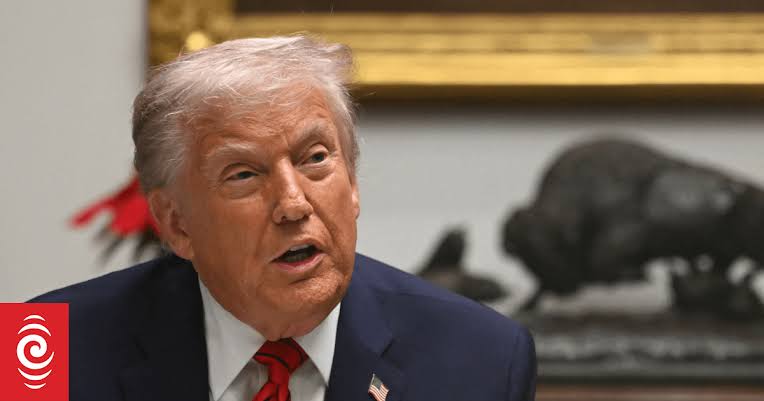
President Donald Trump signaled a potential shift toward a more aggressive maritime strategy on Sunday by sharing a report that outlines the possibility of a naval blockade against Iran. This move follows the conclusion of intensive 21-hour peace negotiations in Islamabad, which ended without a breakthrough as Iranian officials reportedly rejected the terms proposed by the United States. In a post on his Truth Social platform, the president highlighted an article titled “The Trump card the president holds if Iran won’t bend: a naval blockade” from the outlet Just the News.
The report suggests that a total blockade would effectively choke the Iranian economy by halting oil exports and placing immense pressure on major buyers such as China and India. Analysts note that this signaling serves as a clear warning to Tehran that the failure of diplomacy will result in a rapid escalation of economic and military pressure. You can read more about the current state of regional tensions and Trump’s latest maritime signals through our live updates.
The proposed strategy would likely involve the U.S. Navy establishing a ring of surveillance and control around the Strait of Hormuz and Kharg Island to regulate all maritime traffic. Experts cited in the shared report believe that American forces could “out-blockade” Iran by leveraging their superior naval assets currently stationed in the region, including the USS Gerald Ford and USS Abraham Lincoln. The article draws a direct parallel to a previous blockade strategy that was credited with severely damaging the Venezuelan economy before the capture of its leader.
By controlling the narrow passage of the strait, the United States could monitor and intercept any vessel attempting to transport Iranian crude oil to international markets. This approach is intended to force the Iranian leadership back to the negotiating table by removing their primary source of national revenue. For a detailed breakdown of the naval assets involved, please visit our report on U.S. Navy movements in the Persian Gulf.
In the wake of the failed talks, Vice President JD Vance emphasized that the United States remains committed to its core demands, which include the permanent closure of Iran’s nuclear program and the total reopening of the Strait of Hormuz. Iranian representatives have countered by accusing the American team of shifting the goalposts at the last minute and making unreasonable requests for war reparations. While the temporary ceasefire remains technically in place, the introduction of a potential blockade adds a significant layer of risk to the already fragile security environment.
International markets are reacting to the news as oil prices show renewed volatility due to the threat of a complete shutdown of the world’s most vital energy chokepoint. The White House has yet to issue a formal directive for a blockade, but the president’s public endorsement of the idea suggests it is a primary option on the table. Readers can follow the continuing diplomatic fallout in our coverage of the aftermath of the Islamabad summit.