
Trump Rejects Iran Plan to Reopen Strait of Hormuz
Trump Iran Strait of Hormuz 2026
President Donald Trump expressed strong dissatisfaction on Tuesday, April 28, 2026, regarding a new proposal from Tehran aimed at reopening the Strait of Hormuz. Speaking from the White House during a joint appearance with international dignitaries, Trump characterized the Iranian plan as insufficient and lacking transparency.
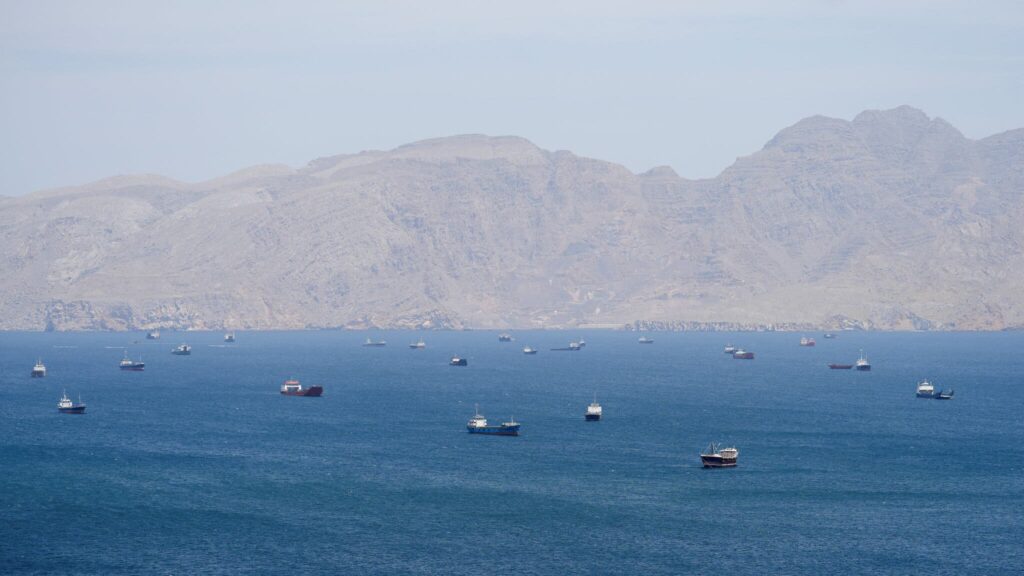
The President emphasized that the United States would not consider lifting the current naval blockade, known as Operation Epic Fury, until Iran provides verifiable guarantees concerning its nuclear enrichment programs and regional maritime conduct. This rejection comes as global energy markets continue to react to the prolonged closure of the world’s most vital oil transit point.
Ongoing diplomatic responses and official statements from the administration are being tracked by The Associated Press and other major international networks.
The Iranian proposal, which was reportedly facilitated through intermediaries in Oman and Pakistan, suggested a phased reopening of the waterway in exchange for a partial lifting of U.S. sanctions.
However, the White House maintains that the plan does not address the fundamental security concerns that led to the implementation of the blockade eight weeks ago. National Security Council officials noted that the proposal failed to provide a clear timeline for the decommissioning of Iranian naval assets stationed near the shipping lanes.
Trump’s administration has consistently demanded a complete cessation of hostile activities in the Gulf before any economic relief is granted. The standoff has led to a significant military buildup in the region, with the U.S. Fifth Fleet maintaining a high state of readiness. Further details on the specific terms of the rejected proposal and the U.S. counter-demands are available through Reuters.
Market analysts warn that the President’s firm stance could lead to further volatility in global oil prices, which have already spiked by nearly fifteen percent since the crisis began. The continued closure of the Strait of Hormuz affects approximately 20% of the world’s daily oil consumption, creating significant economic pressure on European and Asian allies.
While some international leaders have urged for a compromise to stabilize energy supplies, the Trump administration remains focused on a policy of maximum pressure to achieve long-term regional stability. The President’s dissatisfaction also follows recent reports of increased Iranian diplomatic outreach to Moscow, including high-level meetings between Foreign Minister Abbas Araghchi and Vladimir Putin.
This geopolitical shift is adding a layer of complexity to the negotiation process. Comprehensive reporting on the economic consequences of the blockade continues at Bloomberg and The Wall Street Journal.
The domestic political landscape in the United States is also being shaped by the ongoing conflict, with congressional leaders divided over the duration of Operation Epic Fury.
Supporters of the President argue that the blockade is a necessary tool to prevent further Iranian aggression and protect global trade in the long run. Critics, however, have raised concerns about the potential for an unintentional military escalation that could draw the United States into a broader regional war. As the administration continues to evaluate its options, the White House has signaled that additional secondary sanctions could be imposed on nations that attempt to bypass the maritime restrictions.
The situation remains fluid, and the Department of Defense is expected to provide a briefing on the status of the blockade later this week. For the latest updates on the military and diplomatic developments in the Middle East, readers can follow The Washington Post and other global news networks.