
Trump Threatens Iran Infrastructure
Kuwait refinery drone attack Trump Iran infrastructure threat
Global energy markets faced fresh volatility on Friday, April 3, 2026, after a drone attack targeted a critical oil refinery in Kuwait. State-owned Kuwait Petroleum Corporation confirmed that the Mina al-Ahmadi refinery was struck early in the morning, leading to multiple fires across several operational units. This incident marks the third significant strike on the facility in just over two weeks. Emergency teams worked through the morning to contain the blazes while officials moved to maintain operational continuity.
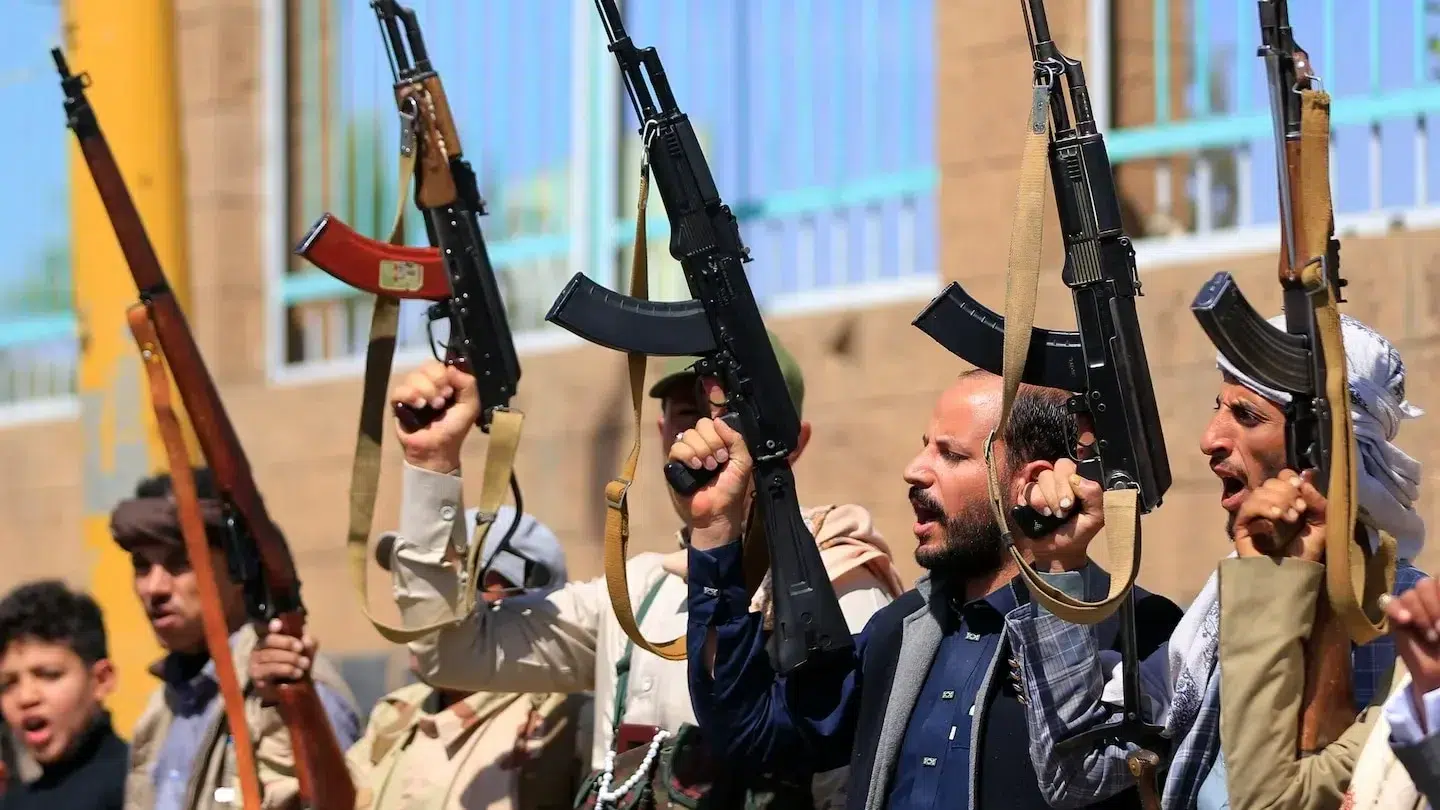
As reported by the Times of Israel, the attack is widely viewed as a retaliatory strike by Iranian-aligned forces in response to the ongoing American military campaign. Kuwaiti air defenses have reportedly intercepted hundreds of drones since the regional conflict began in late February, but this latest breach underscores the continued vulnerability of regional energy infrastructure.
The escalation in Kuwait coincided with a stark warning from President Donald Trump regarding the next phase of Operation Epic Fury. In a late-night statement from the White House, the President signaled a major shift toward targeting dual-use civilian infrastructure within Iran. Trump stated that the U.S. military has only begun to dismantle the regime’s capabilities and identified bridges and electric power plants as the next primary targets.
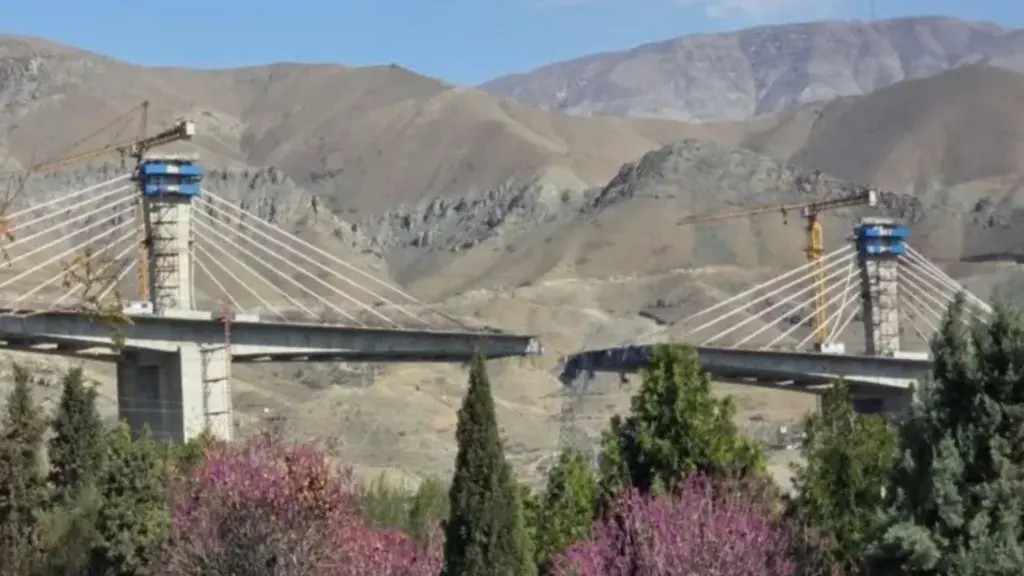
Hours before his announcement, U.S. forces successfully destroyed the B1 Bridge in Karaj, which is known as the tallest bridge in Iran. According to reporting from ANI News, Iranian state media claimed the strike resulted in multiple casualties among travelers. The President remains firm in his objective to return the Iranian regime to the “Stone Age” unless they immediately comply with U.S. demands regarding the Strait of Hormuz and their nuclear program.
The broader geopolitical landscape remains extremely tense as the conflict enters its second month. International shipping continues to struggle with the de facto closure of the Strait of Hormuz, where Iran has begun imposing massive maritime transit fees on commercial vessels. These fees can reach as high as $2 million per voyage for safe passage. President Trump has criticized the international community for a lack of assistance in the region, suggesting that allies must secure their own energy routes or pay for American military protection.
This stance has created significant friction with NATO members who have not joined the military coalition. As noted by Al Jazeera, the ongoing “weaponization” of the Strait is driving global oil prices to nearly $110 a barrel. The April 6 deadline set by the White House for the full reopening of the waterway is now the primary focus of world leaders as they prepare for a possible expansion of the air campaign.