
Starmer Refuses to Join US Blockade of Iranian Ports
Keir Starmer UK Iran blockade 2026
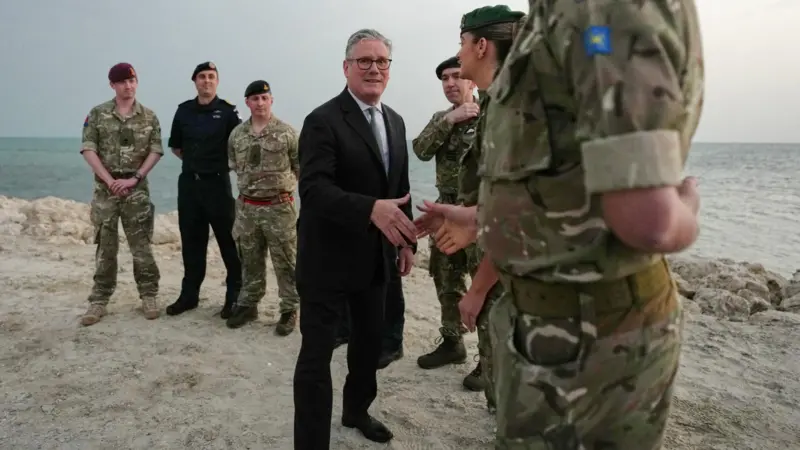
LONDON — Prime Minister Keir Starmer has formally distanced the United Kingdom from the United States’ decision to enforce a naval blockade of Iranian ports, signaling a significant rift in the transatlantic alliance. Speaking from Downing Street on Monday, April 13, 2026, the Prime Minister emphasized that while the UK remains committed to freedom of navigation in the Strait of Hormuz, it will not participate in the aggressive military encirclement of Iranian coastal facilities.
The decision follows a declaration by President Donald Trump that US Central Command would begin a “total blockade” at 10:00 a.m. EDT following the failure of peace negotiations in Islamabad. According to reporting from AJ Bell, Starmer warned that such a move would compound economic pain for British families by driving global oil prices even higher.
The Prime Minister’s refusal to align with Washington comes as Brent crude prices surged past 102 dollars per barrel in early Monday trading. Starmer clarified that British naval assets currently in the region, including high-tech minesweeping drones, are there strictly to ensure the safety of commercial shipping and not to impede the movement of vessels to or from Iranian territory.
He stated that the UK’s primary objective is de-escalation rather than being “drawn into a wider war” that does not serve the national interest. As detailed by The Guardian, this stance directly contradicts President Trump’s earlier claims that the UK and several other allies were already assisting in “clearing out” the strait in preparation for the blockade.
Government officials in London are reportedly working with European partners, specifically France, to establish a maritime coalition focused on safeguarding international waters without participating in the American-led blockade. A government spokesperson reiterated that the Strait of Hormuz must remain a free transit route and should not be subject to “tolling” or illegal seizures by any party.
The UK’s cautious approach reflects a broader concern within the cabinet regarding the fragility of the domestic economy and the potential for retaliatory strikes by the Iranian Revolutionary Guard. According to updates from the Anadolu Agency, British ministers are increasingly worried that a prolonged naval confrontation will permanently disrupt liquefied natural gas (LNG) markets, which are vital for the UK’s energy security heading into the next quarter.
In Tehran, Foreign Minister Abbas Araghchi has already characterized the US blockade as a violation of the existing ceasefire and a declaration of “maximalist” enmity. The failure of the Pakistan-mediated talks over the weekend has left both sides blaming one another for the collapse of the 95 percent of issues that were supposedly resolved.
While the US military has clarified that it will not impede non-Iranian vessels, the sheer presence of a blockade at the mouth of the Gulf has brought maritime traffic to a virtual standstill. As reported by ITV News, the diplomatic fallout between Starmer and Trump is expected to dominate the upcoming G7 summit as world leaders grapple with the possibility of a total collapse in global trade through the Middle East.