
PTA Wins First Best Director Oscar for One Battle After Another
Paul Thomas Anderson Best Director Oscar 2026
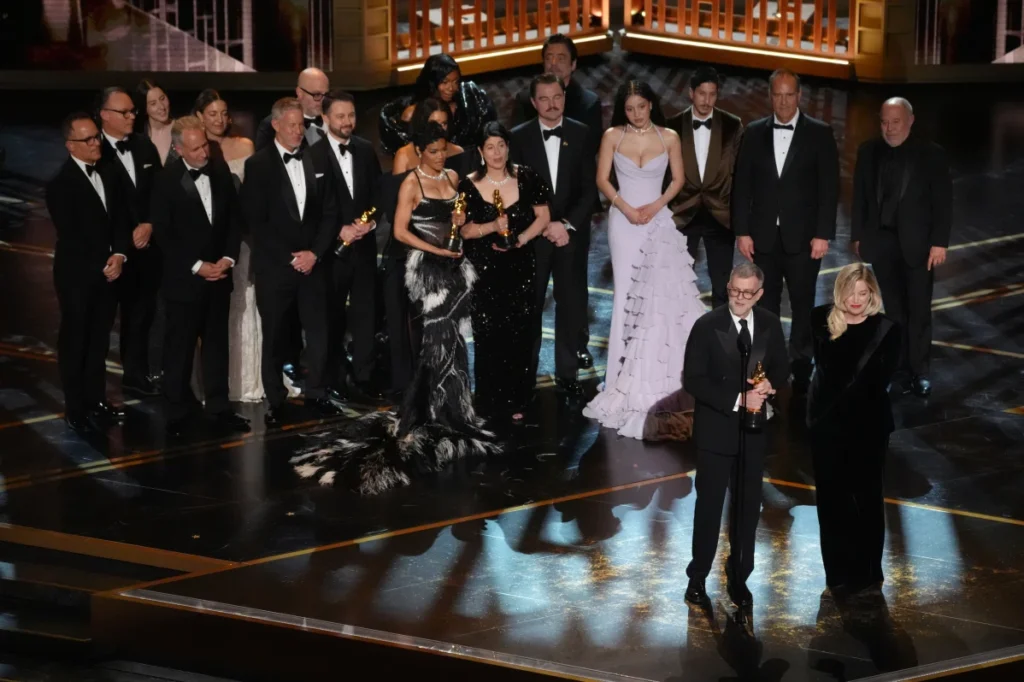
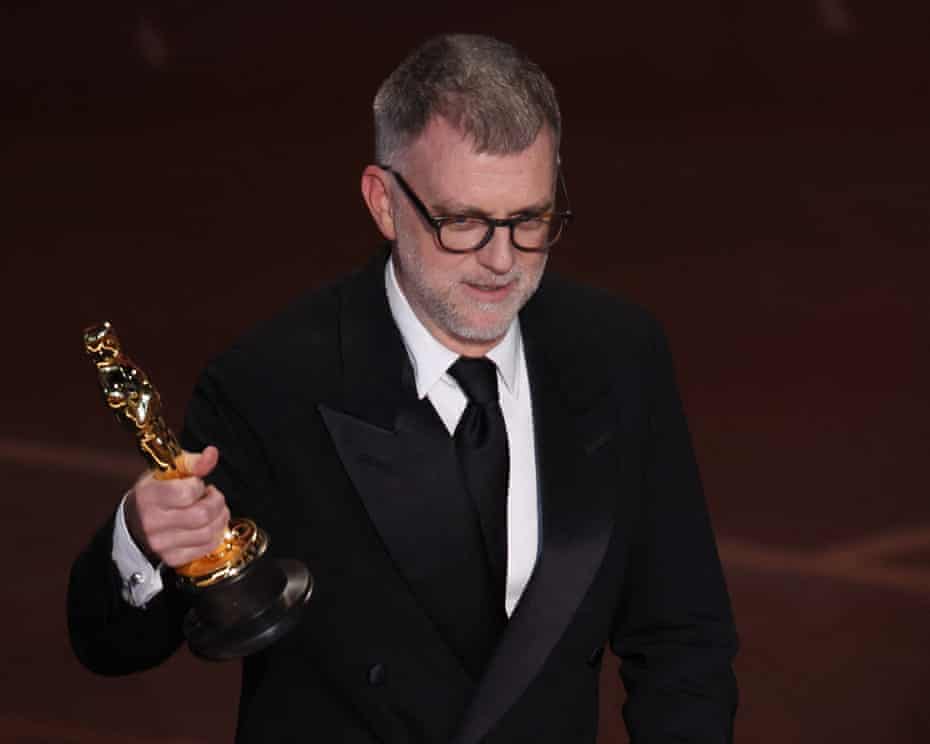
Paul Thomas Anderson achieved a career milestone on Sunday, March 15, 2026, by winning his first Academy Award for Best Director for his epic thriller One Battle After Another. At the 98th Academy Awards held at the Dolby Theatre, the 55-year-old filmmaker’s victory served as a long-awaited coronation for one of American cinema’s most lionized figures, who had previously received three nominations in the category without a win. Anderson, who also took home the Oscar for Best Adapted Screenplay earlier in the evening, joked during his acceptance speech that the Academy “makes a guy work hard for one of these.” According to live ceremony reports, he later returned to the stage to accept the night’s top honor, Best Picture, where he humorously apologized for forgetting to thank his ensemble cast—including stars Leonardo DiCaprio, Teyana Taylor, and Chase Infiniti—during his initial directorial speech.
One Battle After Another emerged as the night’s big winner, securing six Oscars from its ten nominations. In addition to Best Picture and Best Director, the film earned the first-ever Academy Award for Best Casting, awarded to Cassandra Kulukundis, and a Best Supporting Actor trophy for Sean Penn, who portrayed the obsessive Colonel Steven J. Lockjaw. Despite the overwhelming presence of Ryan Coogler’s Sinners, which entered the night with a record-breaking 16 nominations, Anderson’s Pynchon-inspired saga maintained its momentum as the season’s critical favorite. Industry analysts noted that the film’s success represents a triumph for big-budget original storytelling, as the $175 million production became the highest-grossing release of Anderson’s career while maintaining his signature uncompromising vision.
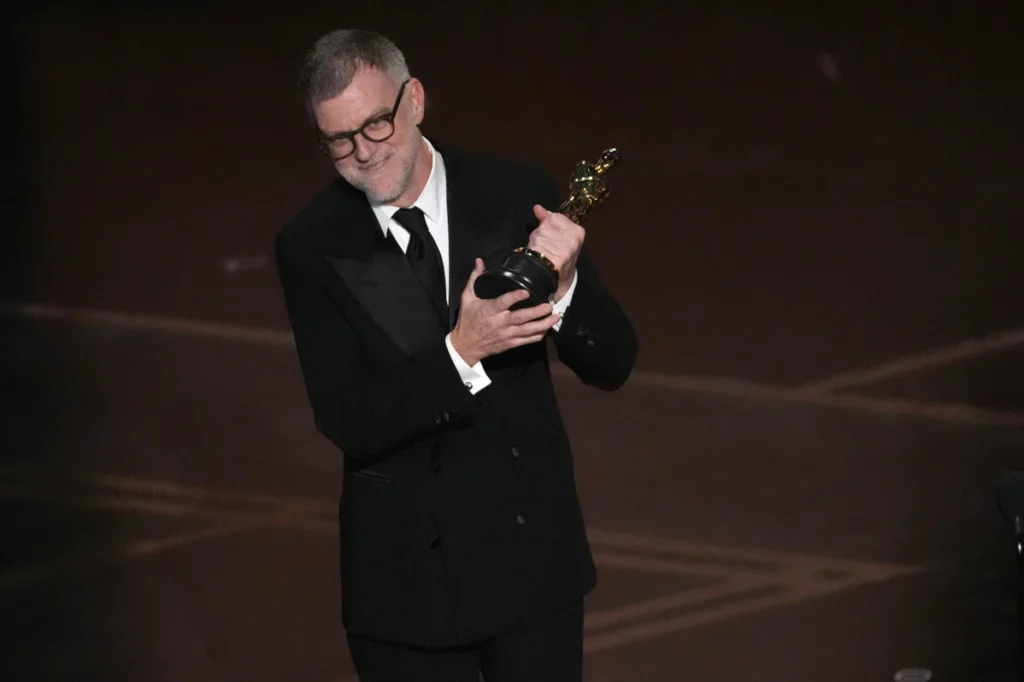
The ceremony, hosted by Conan O’Brien, also saw historic wins in other categories, including Michael B. Jordan winning Best Actor for Sinners and Jessie Buckley taking Best Actress for Hamnet. While accepting the screenplay trophy, Anderson delivered a poignant message, stating he wrote the film as an “apology to his children” for the state of the world, while expressing hope that their generation would restore common sense and decency. The Academy’s final tally confirmed that while the technical categories were split among various contenders—with Frankenstein sweeping makeup and costume design—One Battle After Another stood alone as the definitive cinematic achievement of the year. The film’s victory marks a significant shift for Anderson, transitioning from a perennial nominee to a multiple Oscar winner in a single, historic night.