
NYC Mayor-Elect Mamdani Taps Police Abolition Advocate to Lead Community Safety Transition Team
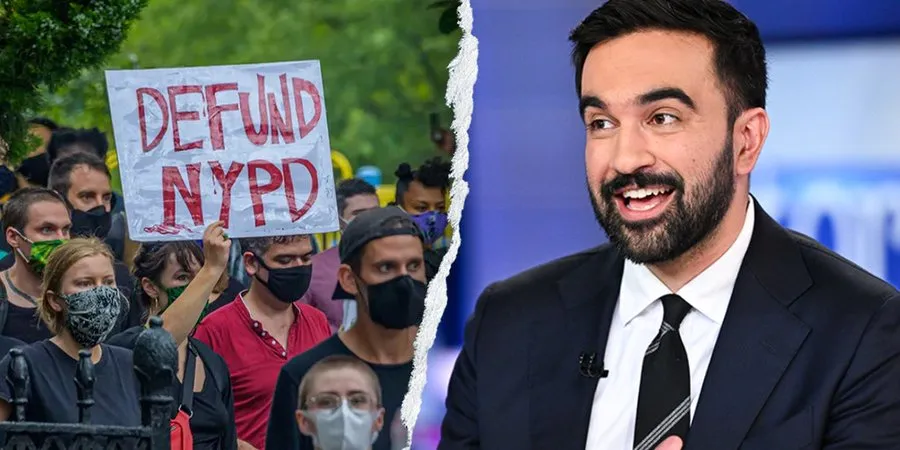
New York City Mayor-elect Zohran Mamdani has ignited a political debate with the appointment of Alex Vitale, a prominent professor and author known for his radical stance on law enforcement, to his transition team’s Committee on Community Safety. Mr. Vitale, a sociology professor at Brooklyn College, is the author of the influential 2017 book, The End of Policing, which argues that the institution of policing is fundamentally incompatible with social justice and should ultimately be abolished and replaced with non-punitive, community-based solutions.
The appointment to the committee, which will advise the incoming administration on issues concerning the New York Police Department and other public safety functions, has drawn immediate criticism from police unions and political opponents. Mr. Vitale has historically described police as the “natural enemies of the working class” and a “racist, violent institution,” views that stand in stark contrast to the continued law-and-order focus of many New Yorkers who remain concerned about elevated crime rates. Mr. Vitale celebrated his new role on social media, proclaiming, “A New Era for NYC,” and expressing excitement to work on community safety issues for the Mayor-elect.
The Mayor-elect’s decision to include Mr. Vitale is characteristic of his self-described democratic socialist platform, which has pledged to create a Department of Community Safety centered on a public health approach to non-violent incidents. This strategy involves relying on civilian and community-led responses rather than immediate police intervention. Despite his past comments, Mayor-elect Mamdani has also committed to keeping current NYPD Commissioner Jessica Tisch in her role, leading some political observers to categorize his advisory committee as a contradictory “team of rivals.” The committee now consists of figures with diametrically opposed views on the function of law enforcement, suggesting a politically complex and potentially fraught process for shaping the city’s future public safety policies.