

NASA Sets April 1 Launch for Artemis II Moon Mission
NASA Artemis II launch date 2026
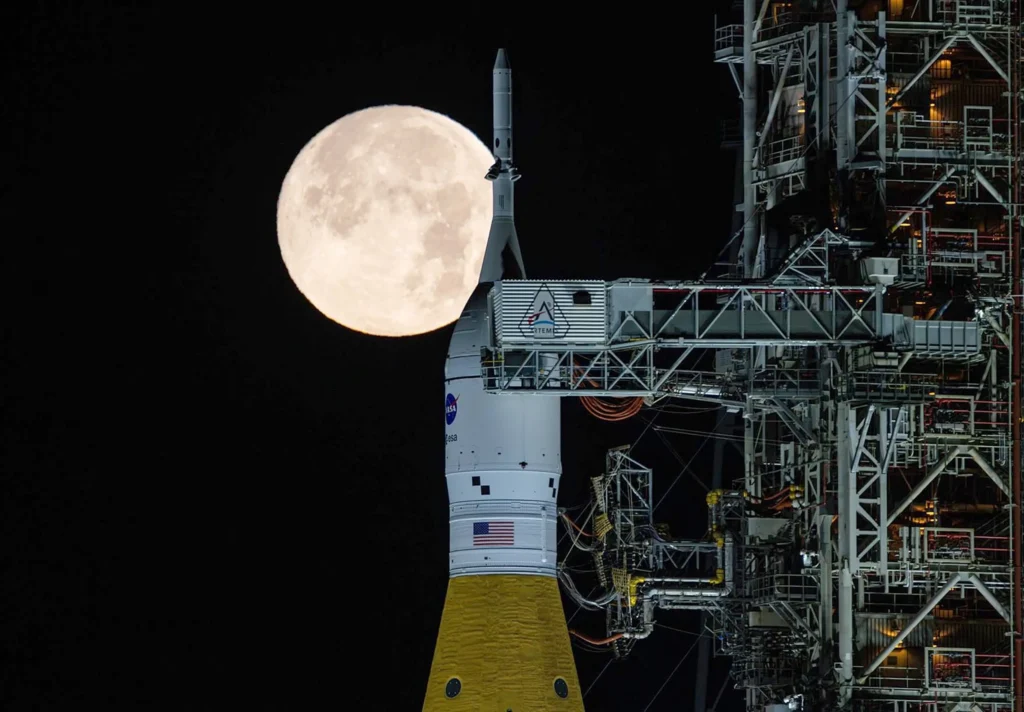
NASA has officially designated April 1, 2026, as the primary launch date for the Artemis II mission, marking a historic return to crewed lunar exploration. Following a comprehensive Flight Readiness Review on Thursday, March 12, agency officials confirmed that the Space Launch System (SLS) rocket and Orion spacecraft are cleared to proceed with final preparations at the Kennedy Space Center in Florida. The mission, which will carry a crew of four astronauts on a 10-day journey around the far side of the Moon, represents the first time humans will venture beyond low Earth orbit since the conclusion of the Apollo program in 1972. According to official NASA updates, the launch window on April 1 is set for 6:24 p.m. EDT, with backup opportunities available through April 6 should weather or technical constraints arise.
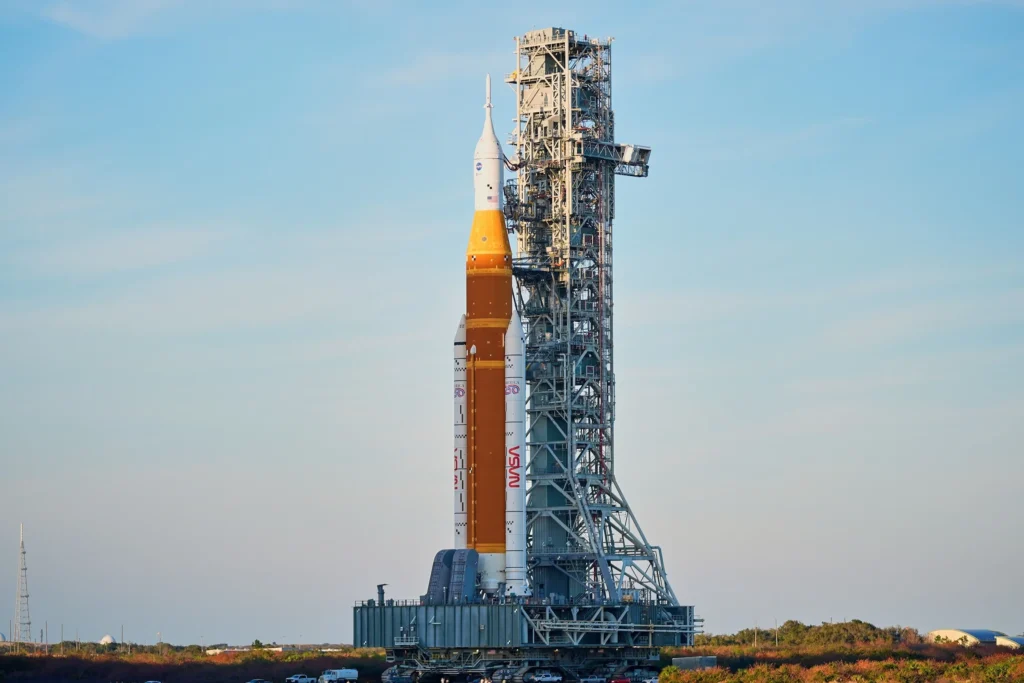
The journey toward this milestone has faced several logistical hurdles, including a liquid hydrogen leak and helium flow issues that forced the 322-foot-tall rocket to be rolled back to the Vehicle Assembly Building (VAB) for repairs earlier this year. Engineers successfully replaced a faulty seal in the interim cryogenic propulsion stage, and the integrated stack is now scheduled to roll back out to Launch Complex 39B on March 19. NASA’s Acting Associate Administrator Lori Glaze emphasized that while Artemis II is a test flight that carries inherent risks, the hardware and personnel are fully prepared for the mission’s rigorous objectives. The crew—Commander Reid Wiseman, Pilot Victor Glover, and Mission Specialists Christina Koch and Jeremy Hansen—is scheduled to enter pre-flight quarantine on March 18 before arriving at the launch site late in the month.
During the mission, the crew will conduct a series of critical deep-space maneuvers, including a proximity operations demonstration to test the manual piloting capabilities of the Orion capsule. The spacecraft will travel approximately 6,400 miles beyond the lunar far side, reaching a point farther from Earth than any previous human-rated vehicle. Scientific investigations integrated into the flight, such as the AVATAR project, will study the effects of deep-space radiation and microgravity on human biology using advanced organ-on-a-chip technology. These findings are considered essential for the success of Artemis III, which aims to land the first woman and first person of color on the lunar south pole later this decade, paving the way for a sustainable human presence on the Moon and eventual missions to Mars.