

Mandelson Epstein Scandal: A Defining Crisis for UK
Peter Mandelson Epstein scandal impact UK politics 2026
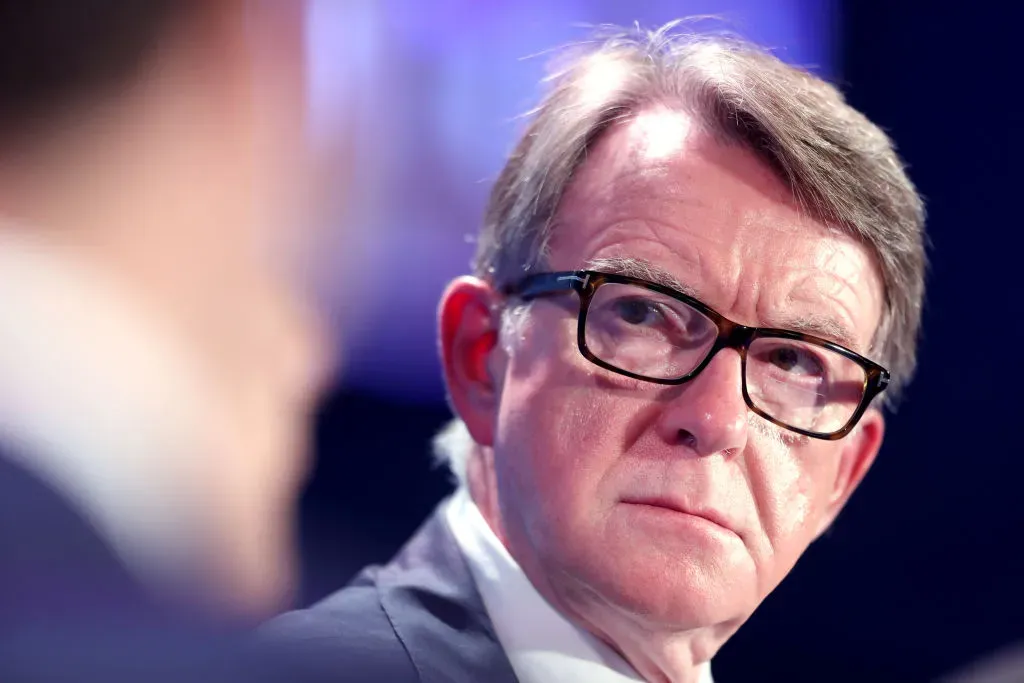
The unfolding scandal surrounding Lord Peter Mandelson’s relationship with the late sex offender Jeffrey Epstein has escalated into a potentially era-defining crisis for British politics. Following the release of over three million pages of documents by the U.S. Department of Justice, the Metropolitan Police formally launched a criminal investigation on February 3, 2026, into allegations of misconduct in public office. The probe focuses on evidence suggesting that Mandelson, while serving as Business Secretary in 2009, leaked market-sensitive Downing Street memos to Epstein regarding the €500 billion EU bailout and the 2008 financial crisis. These revelations have drawn fierce condemnation from former Prime Minister Gordon Brown, who described the alleged leaks as an “inexcusable and unpatriotic act” that undermined the country during a period of global economic instability.
The political fallout has severely tested the leadership of Prime Minister Keir Starmer, who was forced into a significant parliamentary climbdown on February 4. After initially attempting to grant the executive power to redact the “Mandelson files,” Starmer faced a near-rebellion from his own backbenchers and was compelled to hand oversight to the cross-party Intelligence and Security Committee (ISC). This U-turn followed Starmer’s admission that he was “misled” about the depth of Mandelson’s ties to Epstein before appointing him as the U.K. Ambassador to the United States in late 2024. The Opposition has seized on this as a failure of judgment, with Conservative leader Kemi Badenoch accusing the Prime Minister of prioritizing political protection over transparency.
Beyond the leaks, the DOJ files contain bank statements suggesting that Mandelson or his partner, Reinaldo Avila da Silva, received payments totaling $75,000 from Epstein in the early 2000s. While Mandelson has questioned the authenticity of these documents and denied criminal intent, the sheer volume of correspondence—including emails where he referred to Epstein as his “best pal”—has made his continued presence in public life untenable. Mandelson officially resigned from the Labour Party and retired from the House of Lords on February 4, though the government is still pursuing legislation to formally strip him of his noble title. The scandal has not only ended the career of one of New Labour’s most influential architects but has also reignited demands for a total reform of the U.K.’s vetting and peerage systems.
As the Metropolitan Police begin interviewing senior civil servants and requesting unredacted files from the U.S., the “Mandelson era” appears to be reaching a dark and litigious conclusion. The scandal has empowered insurgent parties and deepened public cynicism toward the political establishment, with critics arguing that Mandelson personified a “chauffeured class” that operated outside the rules. For the Labour government, the challenge now lies in containing the damage and proving that the “new normal” of 2026 will prioritize accountability over the entrenched networks of the past. The outcome of the police investigation and the subsequent ISC report will likely dictate whether this scandal remains a personal downfall for Mandelson or a broader catastrophe for the Starmer administration.