
Iran Says Hormuz Open Except to US and Israeli ‘Enemies’
Iran Strait of Hormuz closure status March 2026
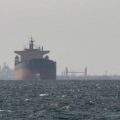
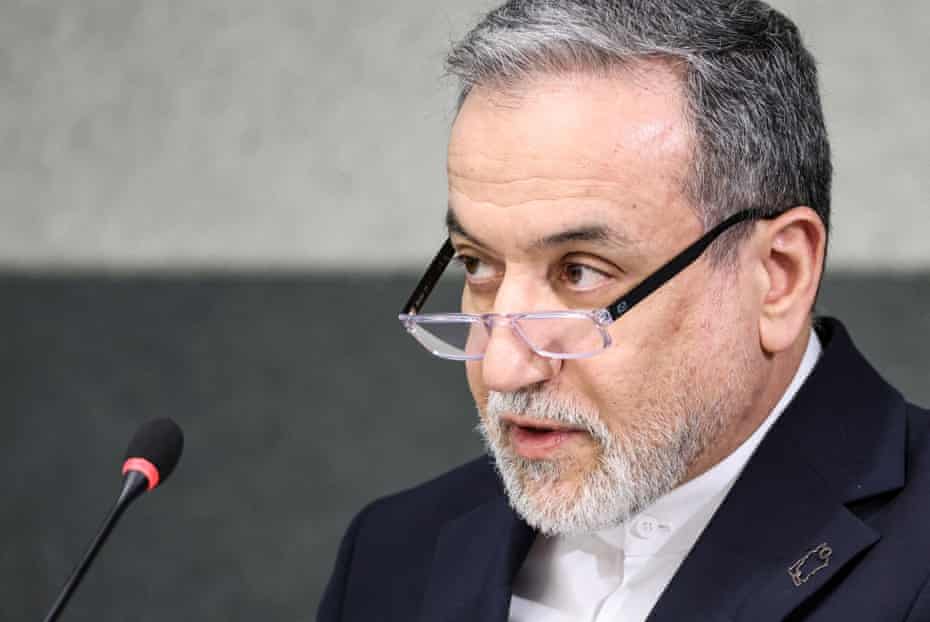
Iranian Foreign Minister Abbas Araghchi has clarified Tehran’s position on the world’s most critical energy chokepoint, asserting that the Strait of Hormuz remains “open” to most international shipping while being strictly closed to “enemy” vessels. In an interview with MS Now on Monday, March 16, 2026, Araghchi stated that the maritime passage is only barred to tankers and ships belonging to the United States, Israel, and any allies actively supporting their military aggression. “Others are free to pass,” Araghchi emphasized, suggesting that the current paralysis in the waterway is a result of “security concerns” held by shipping companies rather than a total blockade enforced by the Iranian military. According to official reports, a spokesperson for the Iranian Foreign Ministry added that non-belligerent states have already successfully transited their vessels by coordinating directly with Iran’s armed forces.
Despite these assurances, maritime intelligence data paints a much more restrictive picture of the reality on the water. While Araghchi claims the strait is functional, AIS-confirmed crossings reportedly fell to nearly zero over the last 48 hours as insurers revoked war-risk coverage for the region. The Guardian reports that hundreds of tankers remain stranded in the Gulf of Oman, with crews exercising their right of refusal to enter what has been declared a “high-risk zone.” The discrepancy between Iran’s diplomatic rhetoric and the physical danger was underscored on Monday morning when a drone strike targeted a fuel tank near Dubai International Airport, further chilling commercial interest in the region. Araghchi dismissed claims that Iran is seeking a ceasefire as “delusional,” stating that the Islamic Republic is prepared to “take the war wherever necessary” until a definitive end to U.S. and Israeli attacks is reached.
The selective closure policy appears to be a strategic move to drive a wedge between the U.S.-led coalition and other global powers, particularly China and regional neighbors. By framing the blockade as a targeted measure against “aggressors,” Tehran is attempting to minimize international support for President Donald Trump’s call for a multi-national naval escort mission. Industry analysts note that while a few “friendly” vessels—including two Indian-flagged LPG tankers—have successfully made the passage, the vast majority of the 20 million barrels of oil that usually flow through the strait daily remain offline. As the war enters its third week, the dual pressure of soaring energy prices and the threat of regional contagion has left global markets waiting to see if the U.S. Navy will begin unilateral escorts to challenge Iran’s “conditional” control of the waterway.