Family to Donate Claude Lemieux’s Brain to CTE Research
Claude Lemieux brain donation CTE research
The family of NHL legend Claude Lemieux announced on Saturday, May 30, 2026, that they have arranged to donate his brain to the Boston University CTE Center. The initiative aims to support ongoing scientific research into the long-term impacts of repetitive brain injuries in professional athletes. The announcement, released via a statement from Lemieux’s daughter, Claudia Lemieux Bishop, follows the tragic passing of the four-time Stanley Cup champion, who died by suicide at age 60 on Thursday, May 28, 2026.
In their statement, the family emphasized a desire to turn a personal tragedy into a constructive contribution to sports medicine. “By allowing his name to be connected to this research, we hope his life can contribute to greater understanding, more honest conversations, and better protection for athletes and families in the years ahead,” the family noted. The Lemieux estate has granted the CTE Center explicit permission to publicly share any research findings linked to his name, though they urged the public to avoid drawing premature conclusions regarding a specific diagnosis until the study is complete.
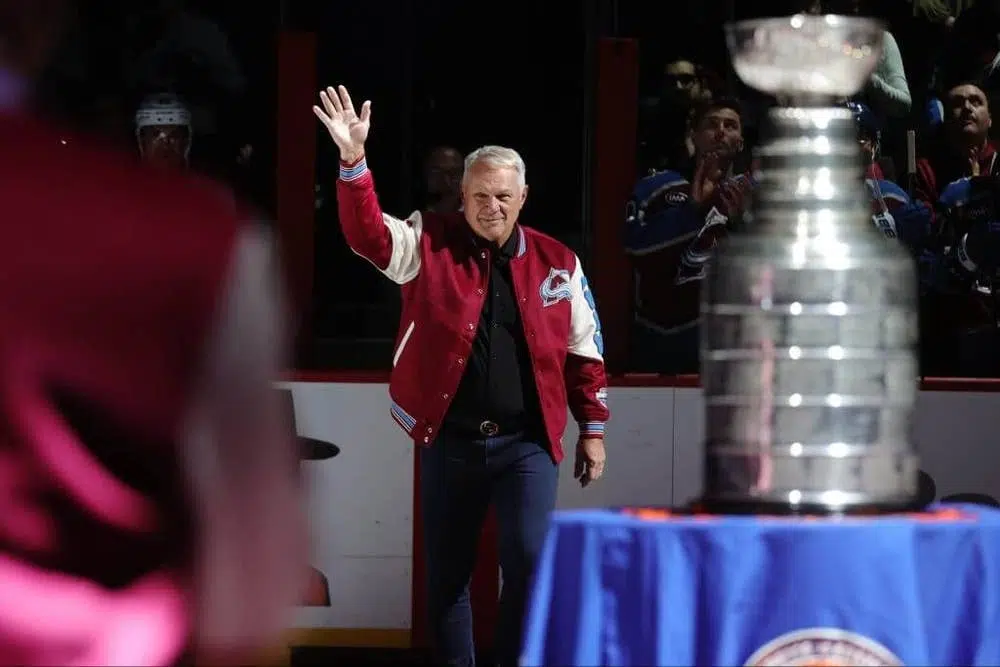
Lemieux’s passing has sent shockwaves through the hockey community, occurring just days after he served as the Montreal Canadiens’ ceremonial torchbearer during a playoff game. A fierce competitor known for his physical style and clutch performances, Lemieux played nearly 1,500 NHL games across 21 seasons, securing championships with the Montreal Canadiens, New Jersey Devils, and Colorado Avalanche. Following his retirement from professional play, he pivoted to a career as an agent, dedicating his time to mentoring the next generation of hockey players.
The donation is being viewed as a significant moment for brain health advocacy within professional sports. Experts at the Boston University CTE Center, a leading institution in the study of Chronic Traumatic Encephalopathy, highlighted that such contributions are vital for developing diagnostic tools and preventive strategies. As the sports world mourns his loss, the focus remains on his enduring impact on the game and his family’s commitment to athlete safety.