
“Killer Robots” Could Target Humans – UN and Red Cross Warn
The United Nations and the International Committee of the Red Cross (ICRC) have issued a fresh warning over the rapid development of autonomous weapons, saying the world is dangerously close to allowing machines to independently target humans.
In a joint statement issued on Tuesday, August 25, UN Secretary-General António Guterres and ICRC President Mirjana Spoljaric renewed their call for countries to establish legally binding international rules governing autonomous weapon systems.
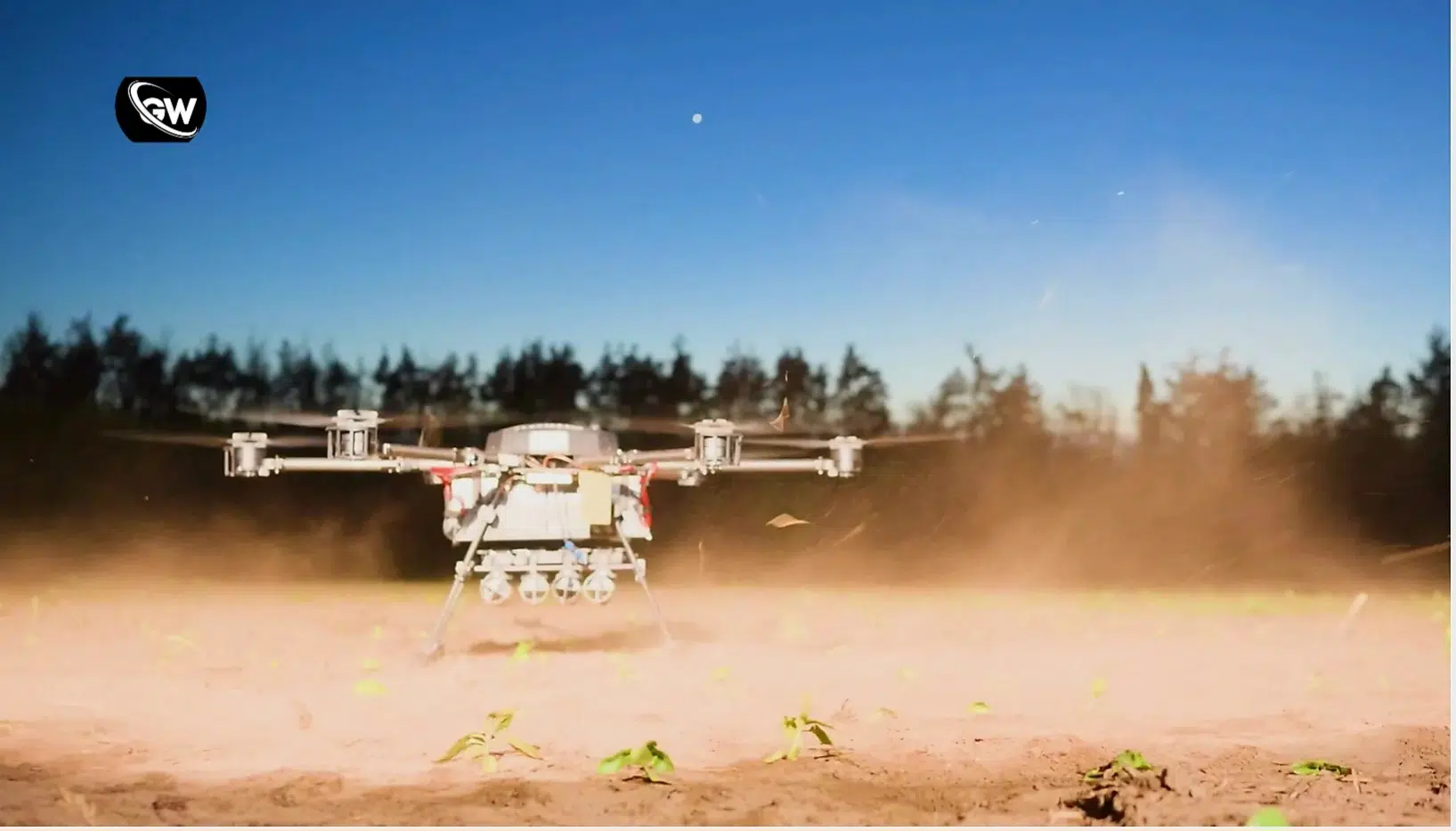
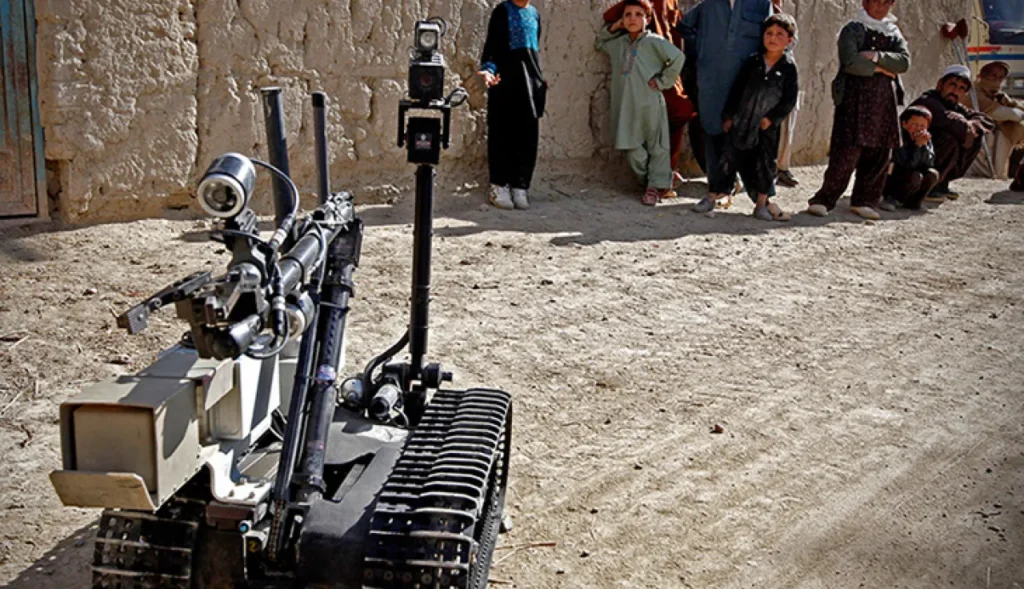
Autonomous weapons, sometimes described as “killer robots,” are systems capable of searching for, identifying and attacking targets with limited or no further human intervention. The ICRC says existing autonomous systems already perform some critical functions, but concerns are growing about weapons that could eventually make decisions to attack people themselves.
The UN and Red Cross warned that the development of these technologies is moving faster than international regulations. They said the world is approaching a “moral red line” if machines are allowed to autonomously decide which humans to attack.
The organisations said autonomous weapons are not simply a distant possibility. Increasing levels of autonomy are already being incorporated into military technology, while armed conflicts have accelerated the development and deployment of AI-assisted and autonomous systems.
However, the UN clarified that there is currently no confirmed evidence that fully autonomous weapons have been used to directly target humans on a battlefield. Autonomous systems are already used in some military roles, including defensive systems that can automatically intercept incoming missiles and other threats.
The concern is that future systems could operate in much more complicated environments and make life-and-death decisions without meaningful human intervention. Critics fear such systems could make fatal mistakes, including incorrectly identifying civilians or soldiers who are wounded or attempting to surrender.
Guterres and Spoljaric urged governments to move beyond discussions and begin negotiations on legally binding restrictions, including clear prohibitions on certain autonomous weapons and safeguards to ensure meaningful human control over the use of force.
International discussions on autonomous weapons have been ongoing for more than a decade. Governments are expected to face an important opportunity to advance negotiations at a major meeting in Geneva later this year.
The UN and Red Cross warned that governments must act before the technology becomes too widespread to regulate effectively, stressing that technological innovation should protect humanity rather than increase the risk to civilians.