

British Prime Minister Keir Starmer Announces Resignation
Keir Starmer resignation
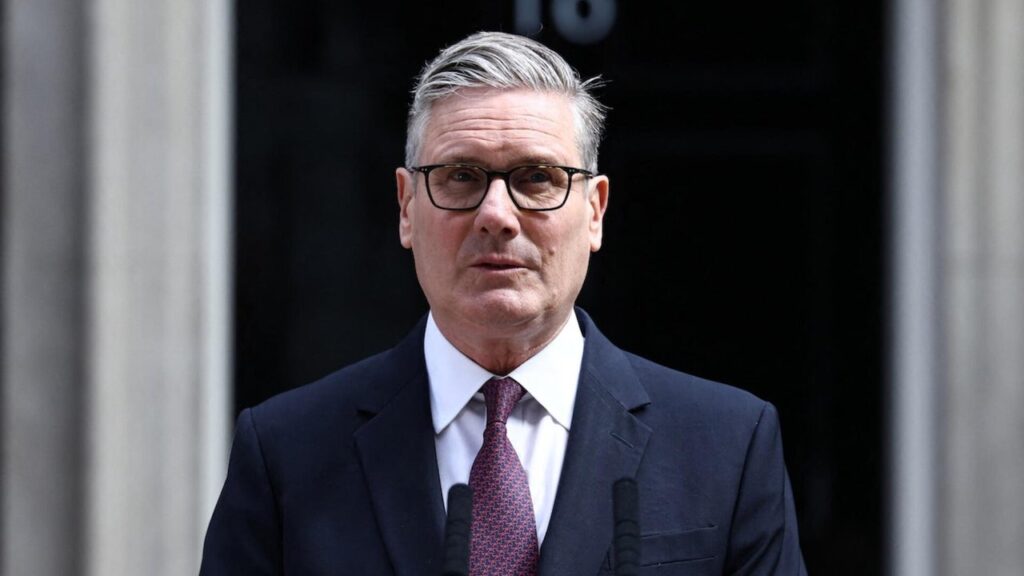
British Prime Minister Keir Starmer announced on Monday, June 22, 2026, that he will resign as leader of the Labour Party and step down as Prime Minister, ending a two-year premiership marked by both a historic initial landslide victory and subsequent political erosion. Delivering an emotional address outside 10 Downing Street, Starmer acknowledged that he had lost the confidence of his parliamentary party, stating, “The question my party is asking now is whether I am best placed to lead us into the next general election. I have heard the answer of my parliamentary party to that question, and I accept that answer with good grace”.
Starmer’s tenure, which began in July 2024, faced increasing challenges from economic stagnation, policy reversals, and significant losses in local elections that weakened his political authority. His decision to step down follows mounting pressure from Labour lawmakers who feared a potential electoral defeat if the party did not pursue a leadership reboot. Starmer confirmed he informed King Charles III of his decision on Monday morning and pledged to provide his successor with “full and unequivocal support” to ensure an orderly handover.
The timeline for the leadership transition is now underway, with nominations officially opening on July 9, 2026. While a full leadership contest is possible, attention has quickly shifted to Andy Burnham, the recently re-elected MP for Makerfield and former Mayor of Greater Manchester, who has confirmed his intention to stand as a candidate. With former Health Secretary Wes Streeting announcing he will back Burnham’s bid rather than compete, a swift “coronation” of a new leader by mid-July is viewed as a likely outcome. Starmer will remain in office as caretaker Prime Minister until the process concludes, with a new leader expected to be in place before Parliament returns from summer recess on September 1.
As the transition moves forward, party figures are emphasizing the need for stability and a renewed focus on core economic and social issues. Starmer, who plans to devote his time to his family following his departure, defended his record during his speech, highlighting achievements such as increased defense spending, improvements in NHS waiting times, and efforts to reduce poverty. The upcoming change marks the seventh transition of prime ministerial power in the United Kingdom over the past decade.