Trump Claims De-escalation in Lebanon Amid Iran Talks
Trump Netanyahu Lebanon Iran ceasefire status
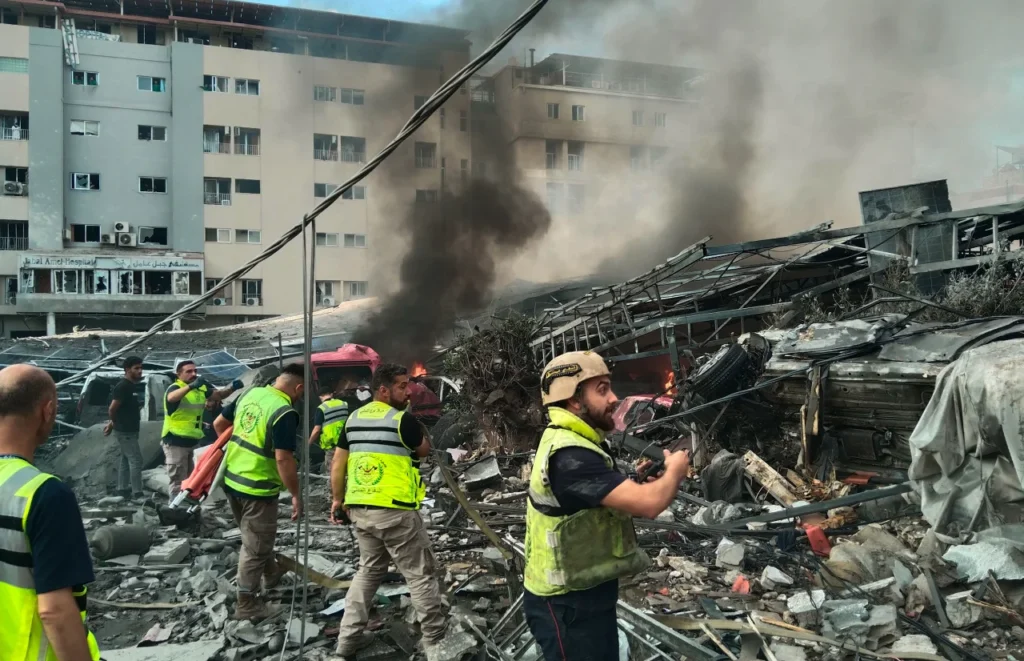
The ongoing Israeli military offensive in Lebanon has emerged as a significant threat to U.S.-led diplomatic efforts to secure a ceasefire in the broader Iran war. On Monday, June 1, 2026, the situation reached a breaking point when Iran announced a temporary suspension of all indirect message exchanges with the United States. Tehran explicitly linked this move to Israel’s expanding ground operations and aerial bombardment in Lebanon, stating that the ceasefire agreement with Washington must be respected across “all fronts,” including the Lebanon theater. Iranian state media, including the Tasnim News Agency, warned that continued strikes would force Iran to activate new regional fronts and move to completely block the Strait of Hormuz.
In an effort to prevent the collapse of these high-stakes negotiations, President Donald Trump held a reportedly “heated” phone call with Israeli Prime Minister Benjamin Netanyahu. Reports from Axios indicate that the President forcefully urged Netanyahu to halt plans for a major raid on Beirut, citing the catastrophic impact of such an escalation on Washington’s ability to finalize a deal with Tehran. Following the call, President Trump publicly declared on Truth Social that he had secured an agreement for a mutual cessation of hostilities between Israel and Hezbollah, stating that Israeli troops had been “turned back” and that all shooting would stop.
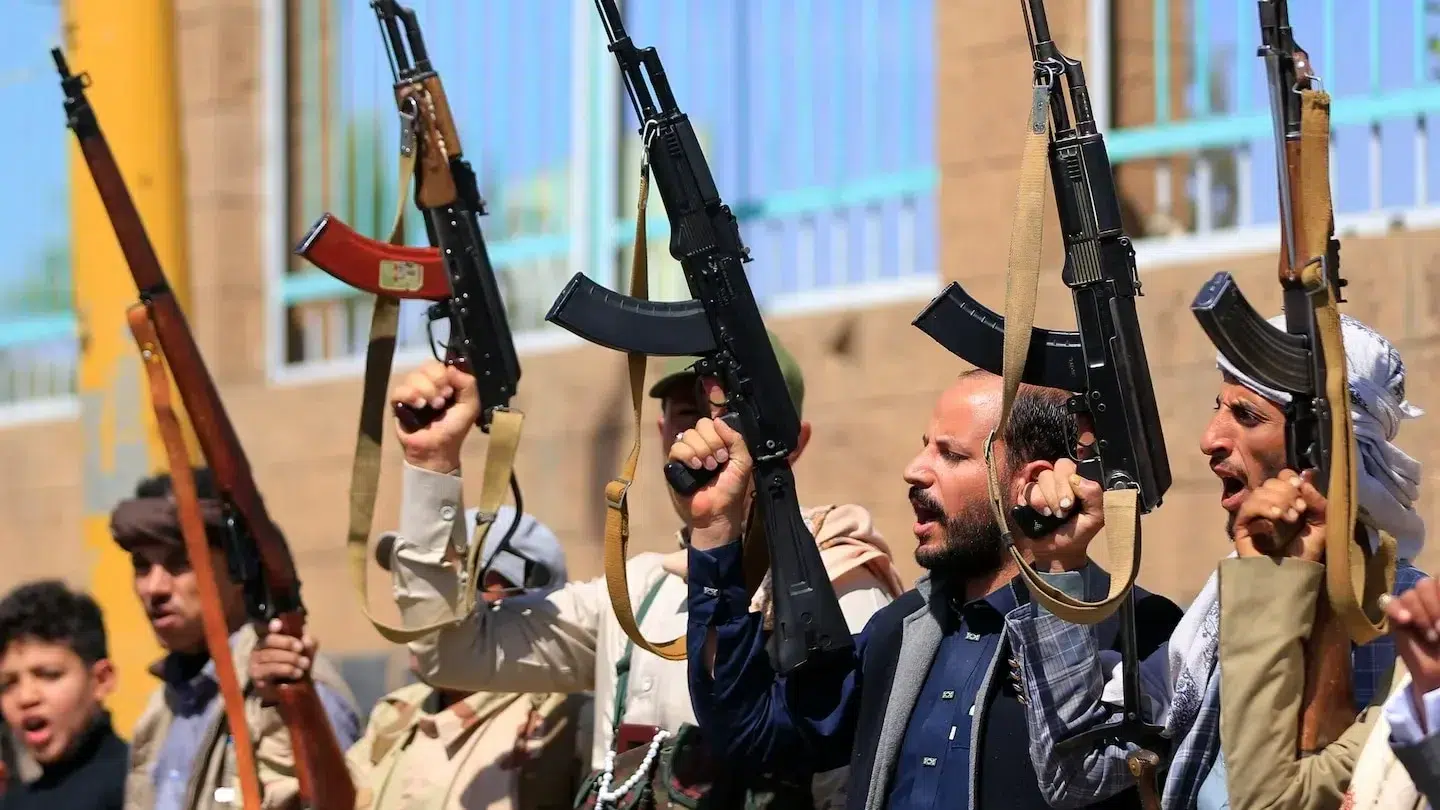
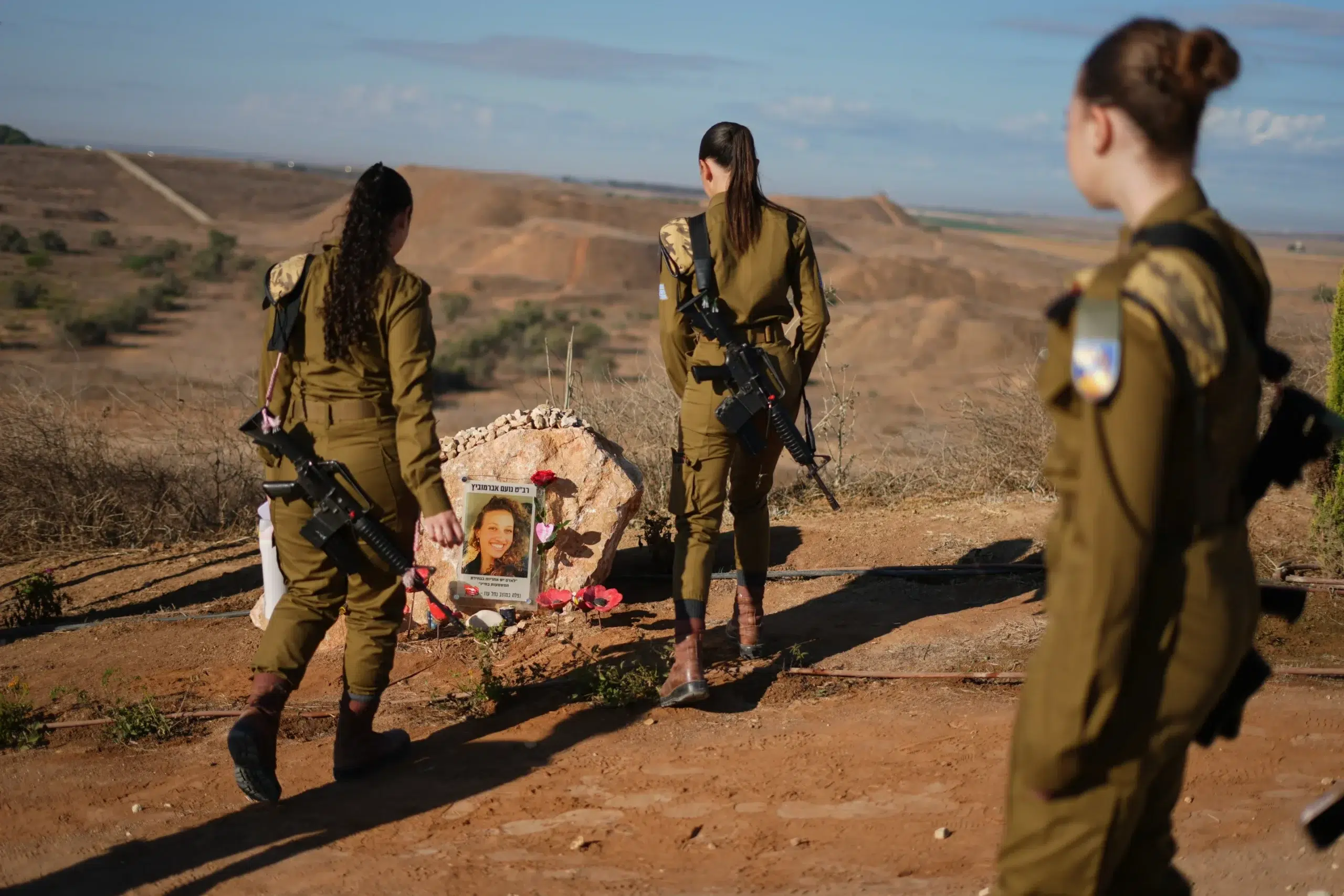
Despite the President’s optimistic announcements, the security situation remains highly fragile. Moments after Trump’s statement, the Israeli military reported the interception of projectiles launched from Lebanon toward northern Israel, and Israeli officials have maintained that their military operations in southern Lebanon will proceed as planned. Prime Minister Netanyahu has clarified that Israel reserves the right to strike Beirut should Hezbollah resume its attacks on Israeli citizens.
The volatility of this conflict continues to ripple through international markets and diplomatic channels. While the U.S. Embassy in Lebanon confirmed that Hezbollah had expressed acceptance of a U.S.-proposed ceasefire, the disconnect between top-level political declarations and ongoing military maneuvers on the ground has left observers cautious. As international leaders—including those at the UN Security Council—continue to press for a full withdrawal from southern Lebanon, the path toward a comprehensive ceasefire in the Iran war remains tied to the stability of this precarious and contested truce.