Trump Confronts Netanyahu Over Lebanon Escalation
Trump Netanyahu Lebanon conflict call
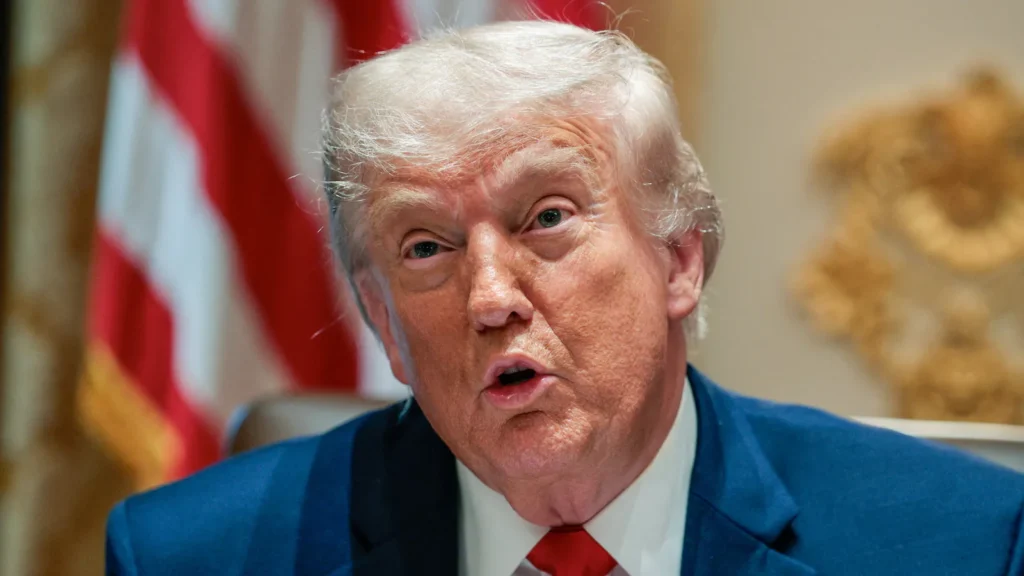
President Donald Trump reportedly engaged in a highly confrontational phone call with Israeli Prime Minister Benjamin Netanyahu on Monday, June 1, 2026, as the President sought to prevent a collapse of delicate ceasefire negotiations with Iran. According to reports, including accounts from Axios, the President adopted an aggressive tone during the conversation, at one point reportedly telling the Prime Minister, “You’re f**king crazy,” and asserting that his political intervention was the only thing preventing Netanyahu from facing imprisonment.
The friction between the two leaders stems from Israel’s escalating military campaign in Lebanon. Tehran had warned that it would abandon all diplomatic efforts to resolve the ongoing Iran-U.S. conflict if Israel launched a major offensive against Beirut. Recognizing the threat to his broader diplomatic agenda, which includes reopening the Strait of Hormuz, President Trump moved to personally intervene. He later claimed on Truth Social that his “very productive” conversation with Netanyahu succeeded in turning back Israeli troops already en route to Beirut.
Despite the President’s public declarations of a new de-escalation agreement between Israel and Hezbollah, the situation on the ground remains volatile. Netanyahu issued a statement shortly after the call, clarifying that Israel’s military stance remains unchanged. The Prime Minister emphasized that his administration would continue to operate as planned in southern Lebanon and reaffirmed that Israel reserves the right to strike Beirut if Hezbollah continues to target Israeli citizens.
The clash underscores the deepening divide between Washington and Jerusalem regarding the linkage of the Lebanon front to the broader Iran war. While the U.S. has pushed for a holistic de-escalation, the Israeli government continues to view its operations against Hezbollah as a separate strategic necessity. As Iran remains a central player in the regional instability, international observers are closely watching whether the temporary pause in Beirut strikes will suffice to bring Tehran back to the negotiating table or if the diplomatic “glitch” described by the President signals a more permanent breakdown in communications.