
Israel Authorizes Direct Lebanon Talks While Strikes Continue
Israel Lebanon direct talks Hezbollah strikes 2026
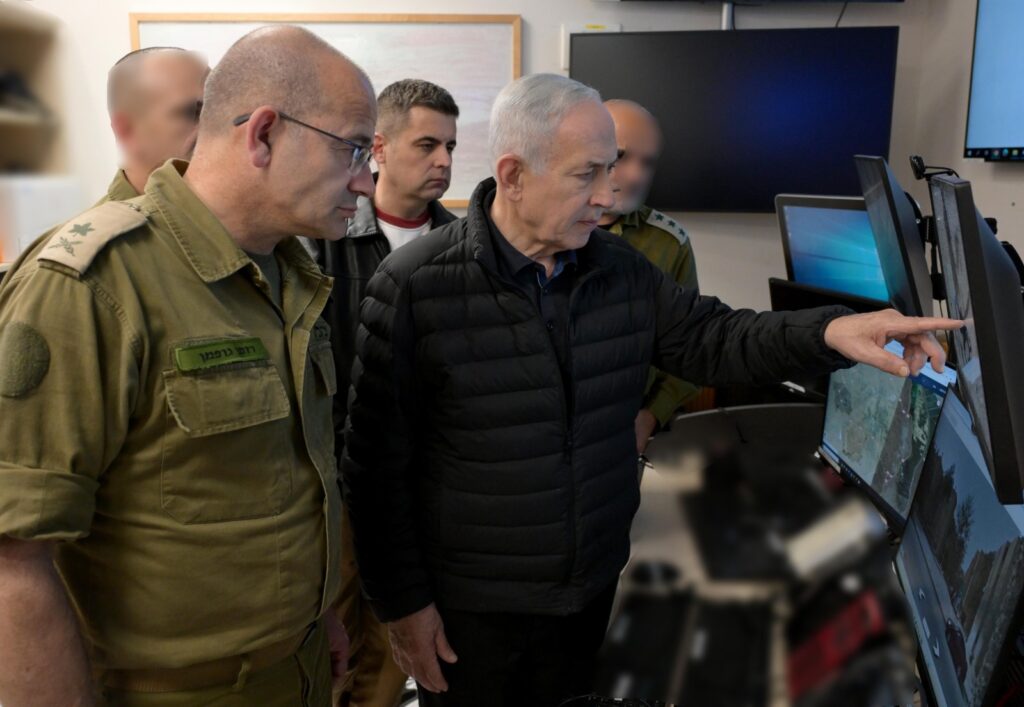
Israeli Prime Minister Benjamin Netanyahu officially authorized direct negotiations with the Lebanese government on Friday, April 10, 2026, marking a historic shift in the ongoing regional conflict. The talks are scheduled to begin next week at the U.S. State Department in Washington and will focus primarily on the permanent disarmament of Hezbollah and the establishment of peaceful bilateral relations.
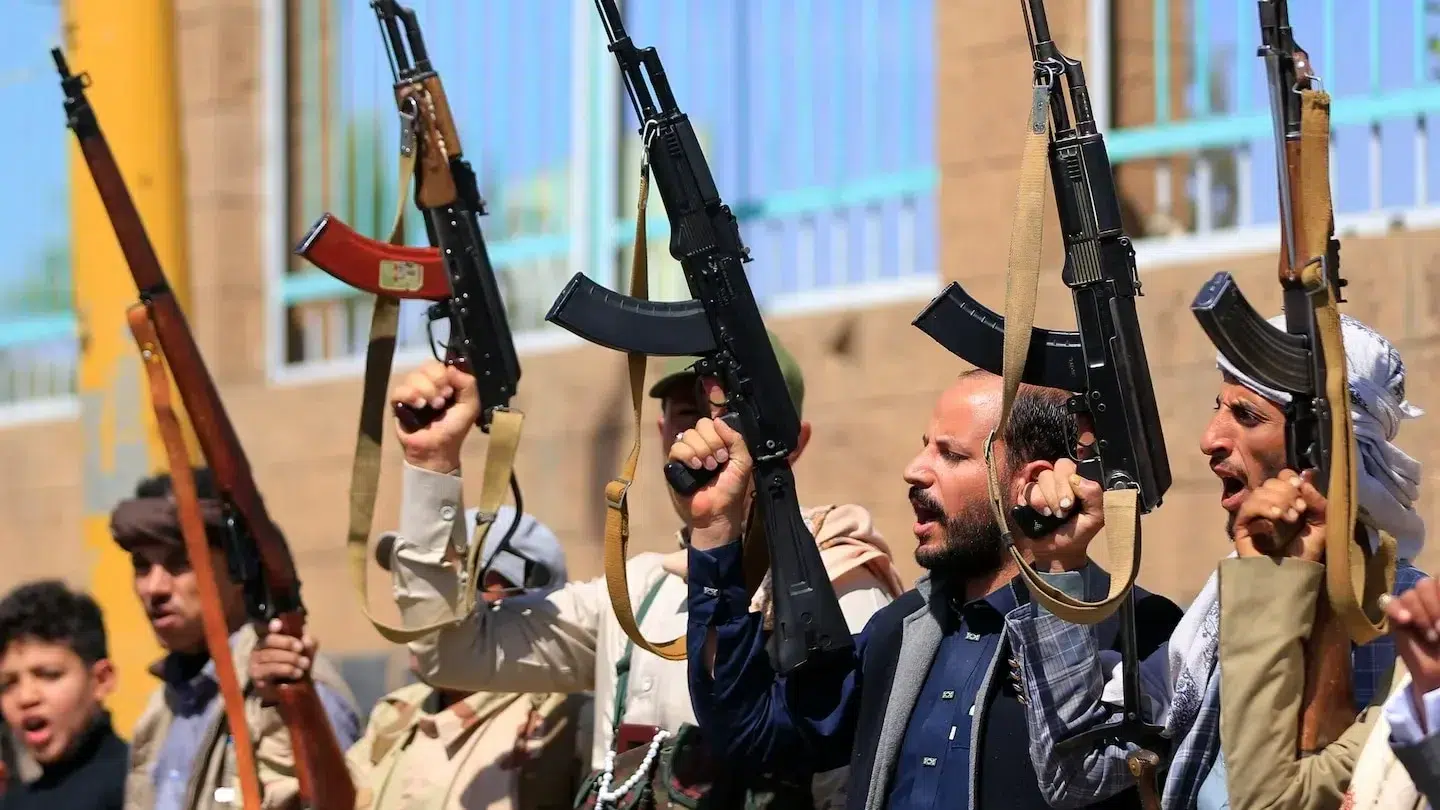
Despite this diplomatic breakthrough, Netanyahu emphasized that there will be no ceasefire in the military campaign against the Iranian-backed militant group. He stated that the Israel Defense Forces will continue to operate with maximum force until the security of northern Israel is fully restored and the threat from the Land of the Cedars is neutralized. According to reporting from JNS, Israeli officials have clarified that the broader tentative ceasefire with Iran does not apply to their operations against Hezbollah infrastructure.
The decision to open a diplomatic channel comes amid some of the deadliest fighting since the resumption of hostilities in March. Recent Israeli airstrikes on Beirut and southern Lebanon have resulted in significant casualties, with the Lebanese Health Ministry reporting over 300 deaths in a single 24-hour period. In response to the devastation, Lebanese Prime Minister Nawaf Salam called for Beirut to be declared a “demilitarized city” and insisted that negotiations must be conducted solely by the Lebanese state rather than through Iranian intermediaries.
This stance represents a major pivot as Lebanon seeks to reclaim its sovereignty from Hezbollah’s military influence. As detailed by Al-Monitor, the Trump administration has expressed strong support for these independent negotiations, viewing them as a critical step toward stabilizing the Levant during the wider Operation Epic Fury campaign.
The logistics of the upcoming summit involve high-level diplomatic representation from all sides. Israeli Ambassador to the U.S. Yechiel Leiter and U.S. Ambassador to Lebanon Michel Issa are expected to lead the initial discussions. The talks aim to implement a framework that goes beyond previous UN resolutions, seeking a complete withdrawal of Hezbollah forces from the border regions and the integration of all military hardware under the control of the Lebanese Armed Forces.
However, the situation remains extremely volatile as Hezbollah continues to launch retaliatory rocket strikes into northern and central Israel. According to updates from AP News, military analysts believe the twin-track strategy of negotiation and bombardment is intended to force a political collapse of the militant group while degrading its operational capabilities on the ground.
The broader geopolitical context includes the ongoing fallout from the assassination of the Iranian Supreme Leader and the subsequent maritime tensions in the Strait of Hormuz. President Donald Trump has expressed skepticism regarding the long-term effectiveness of regional ceasefires, particularly while Iranian-backed proxies remain active.
This skepticism has fueled the Israeli military’s resolve to maintain its offensive pressure throughout the duration of the Washington talks. Many in the international community are watching closely to see if the Lebanese government can successfully distance itself from its ties to Tehran to secure a lasting peace. As reported by various outlets, the success of next week’s meeting hinges on whether the parties can reach a consensus on the difficult task of disarmament while active combat continues to reshape the map of the Middle East.