South Carolina Senate Defies Trump on Redistricting Plan
South Carolina Senate rejects Trump redistricting
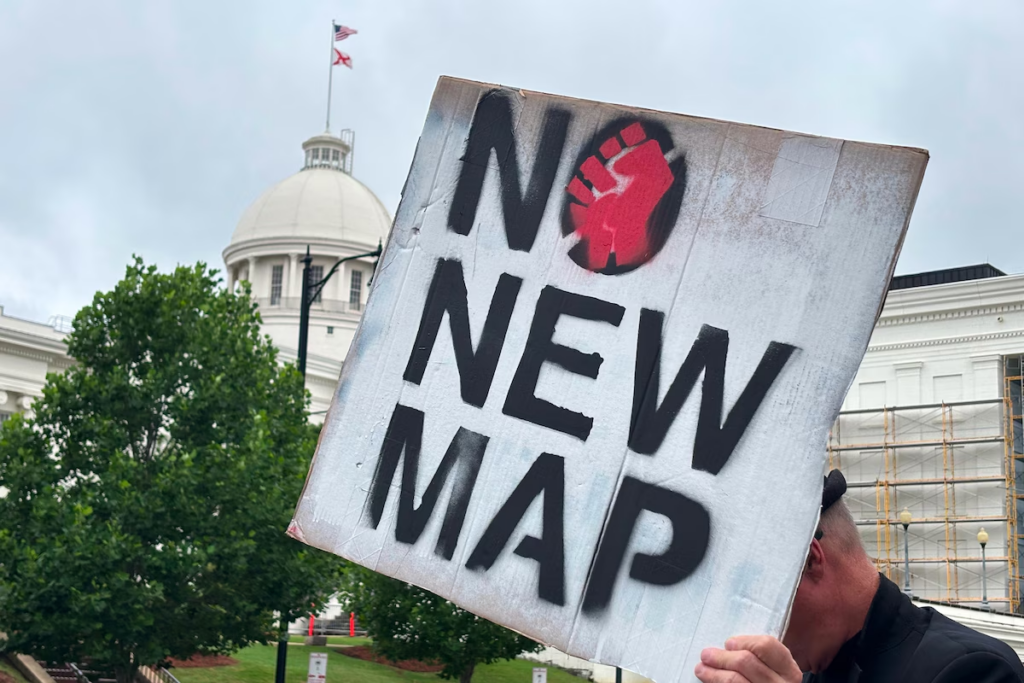
The South Carolina Senate formally rejected a push to redraw the state’s congressional districts on Tuesday, May 26, 2026, dealing a significant setback to President Donald Trump’s national strategy to reshape voting maps ahead of the November midterm elections. The proposed legislation, which had previously cleared the state House, sought to cancel the current congressional primary cycle and establish a new primary in August under revised boundaries. Proponents of the plan argued it was necessary to give the Republican Party a chance to win an additional seat, potentially ousting the state’s lone Democratic U.S. Representative, Jim Clyburn.
Opposition to the plan within the Senate proved insurmountable, despite the Republican supermajority in the chamber. Several GOP senators expressed deep concerns regarding the timing and the potential for a “backfiring” effect, where overly aggressive redistricting could inadvertently make other districts competitive for Democrats. State Senator Richard Cash, a Republican, emphasized the importance of maintaining the current electoral process, stating that with early in-person voting already underway for the June 9 primaries, neither his “conscience or common sense” would allow him to halt an election already in progress.
The defeat in South Carolina is part of a broader, high-stakes battle over congressional mapping that has unfolded across several states. While President Trump had publicly urged South Carolina lawmakers to “be bold and courageous” in their pursuit of new districts, the rejection highlights the internal party friction regarding the risks of mid-decade redistricting. In addition to the logistical challenges of delaying primaries and the potential for expensive legal battles, some lawmakers feared that the public perception of such a maneuver could alienate voters.
As the 2026 primary season progresses, the focus shifts away from the stalled redistricting effort and toward the upcoming contests. The failed bid serves as a stark example of the limits of executive influence on state-level legislative processes, particularly when those processes conflict with established election schedules. For continued updates on the legislative developments in South Carolina and the national redistricting landscape, monitor reporting from PBS News.